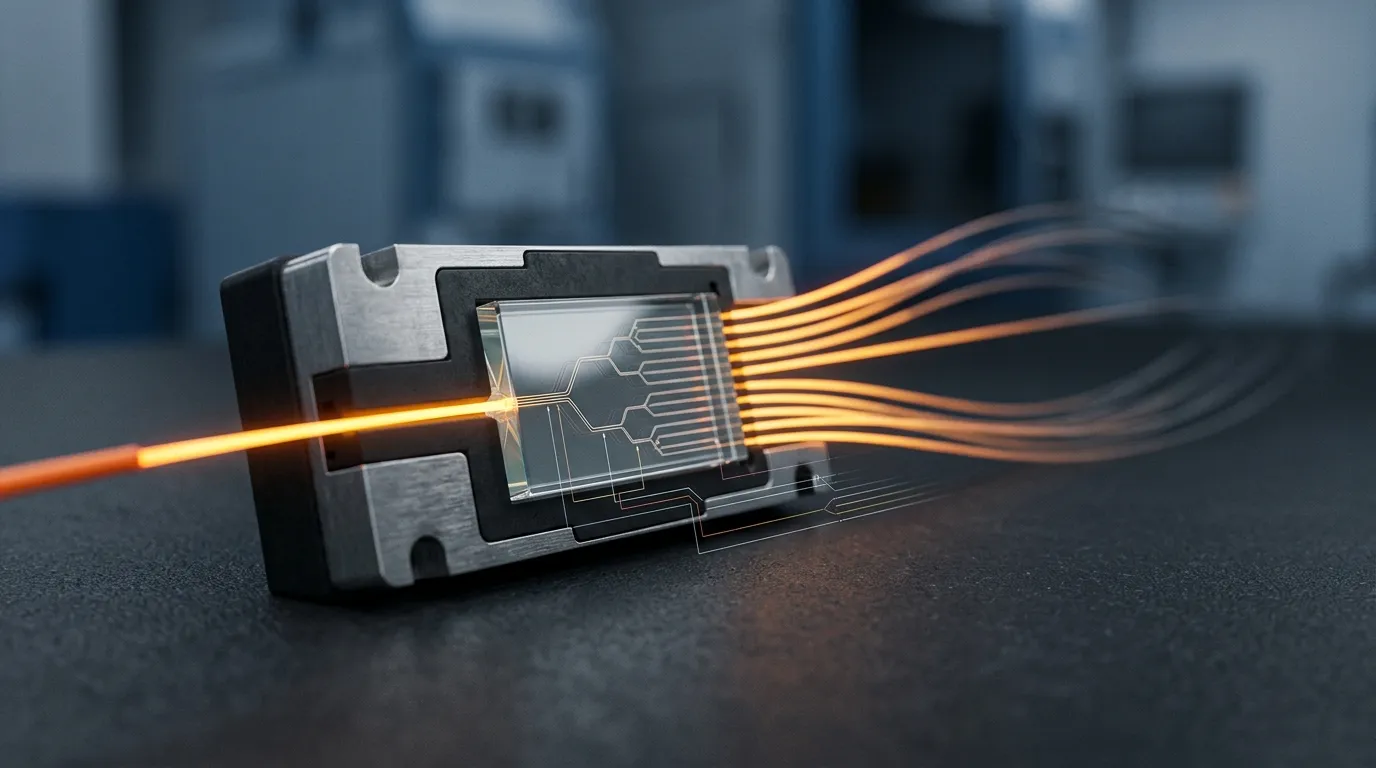
 FTTH & PON
PON Splitter Ratio Selection: 1:8 to 1:64
Splitter ratio is a budget decision: subtract worst-case splitter loss from your PON budget, then pick the largest ratio that still leaves a design margin.
Read article
Guides, reference, and calculators for FTTH and PON, outside plant, data centers, structured cabling, and certification — written by the TTI Fiber engineering team for the planners, contractors, and integrators we supply.
 01
01Vendor and market reference: top fiber optic cable manufacturers, regional company rankings, splitter and low-loss fiber brands, and industry expos.
View guides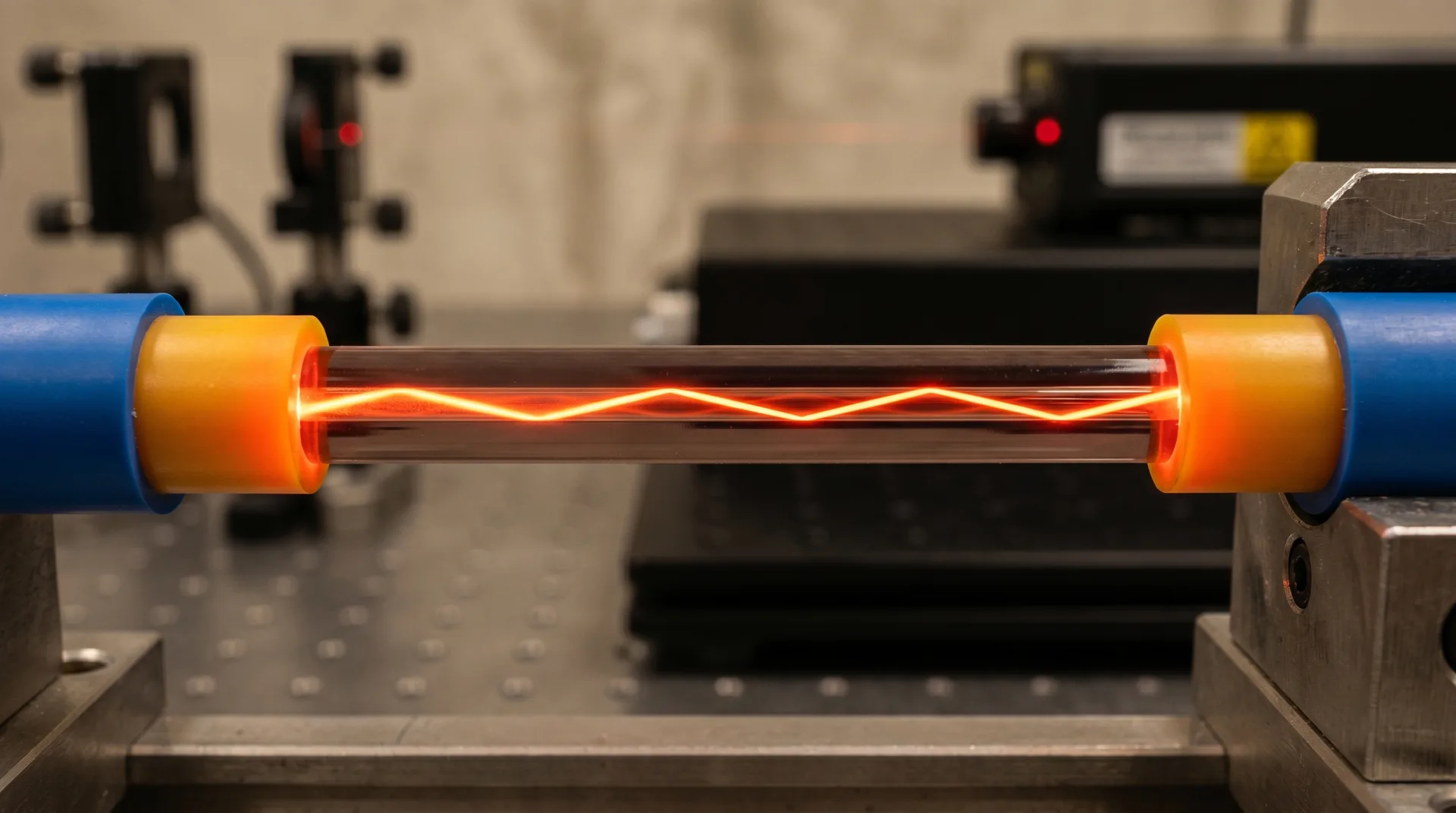 02
02The fundamentals behind every fiber spec: how light stays in the core, what drives loss and speed, multimode core sizes, connectors, and field troubleshooting.
View guides 03
03Fiber to the Room explained: F5G whole-home optical networking, invisible drop cables, FTTR vs mesh Wi-Fi, and what ISPs need to deploy it.
View guides 04
04Fiber that survives the field: OPGW and ADSS for power utilities, armored cables for mining and oil & gas, railway fiber, and harsh-environment specs.
View guides 05
05What CPR Euroclasses, UL listings, CE, RoHS, and REACH require for fiber cable — and how to verify a supplier’s certificates before you buy.
View guides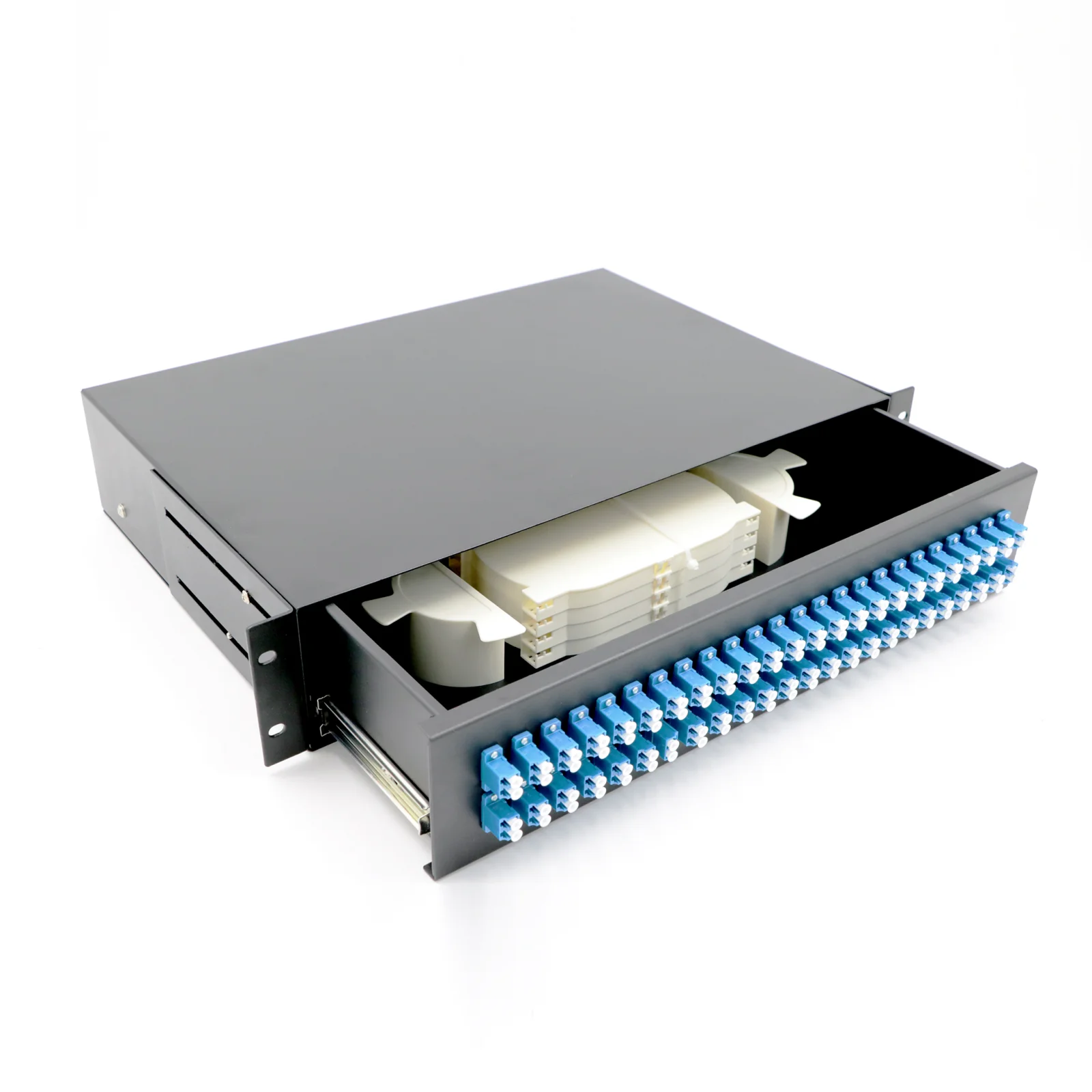 06
06Fiber for offices, campuses, and buildings: backbone design, patch panels, fiber vs copper decisions, and standards-compliant structured cabling.
View guides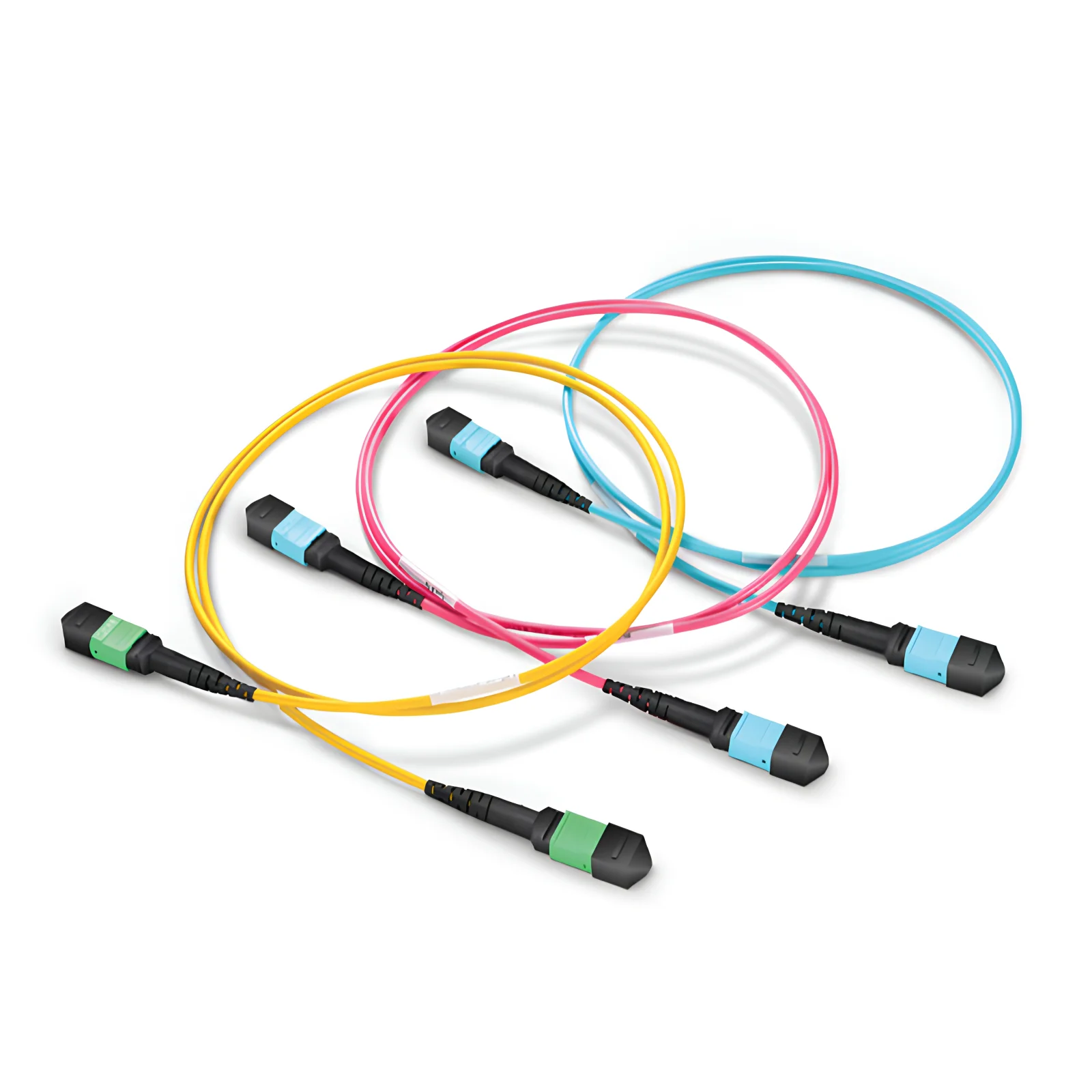 07
07High-density fiber for data centers: MPO/MTP trunks, OM4/OM5 multimode, 400G/800G migration paths, TIA-942 structured cabling, and polarity schemes.
View guides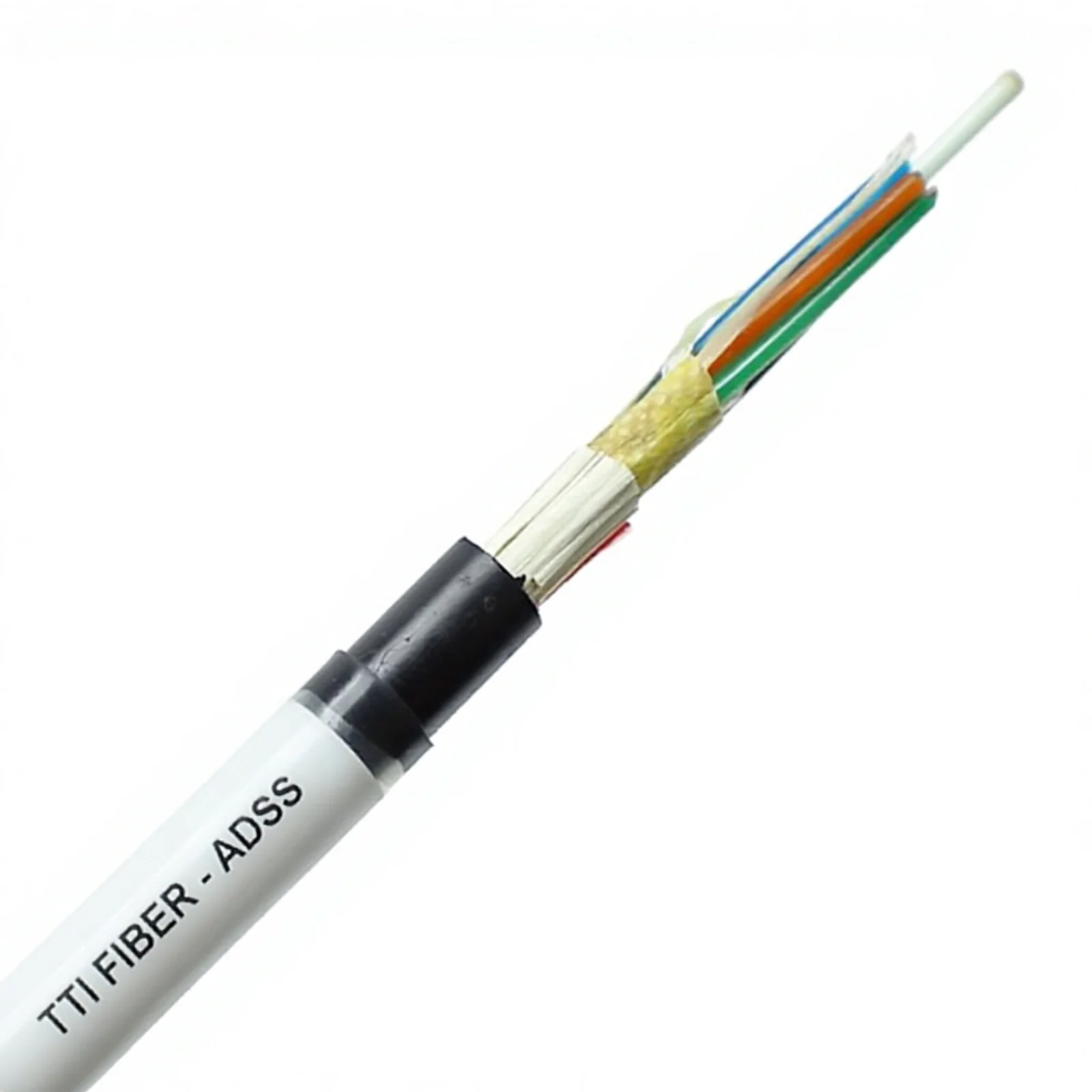 08
08Outdoor and backbone fiber: ADSS and duct cables, aerial vs direct-buried installs, splice closures, GYTS/GYFTY cable types, and metro-to-long-haul design.
View guides 09
09Planning and building last-mile fiber: PON architecture, splitter ratios, drop cables, ODN hardware, and FTTH rollout practices for ISPs and contractors.
View guidesOptical splitter loss and full fiber link loss budget — free, browser-based, with the loss presets your GPON datasheet uses.
Every acronym, rating, and unit on a fiber datasheet — attenuation to wavelength, each defined in a sentence or two and filterable by topic.
FTTH & PONSplitter ratio is a budget decision: subtract worst-case splitter loss from your PON budget, then pick the largest ratio that still leaves a design margin.
Read article Enterprise & Structured Cabling
How EU CPR ratings work for indoor fiber cable: Euroclasses from B2ca to Fca, EN 50575 test evidence, AVCP systems, and the DoP checks a buyer must run.
Read article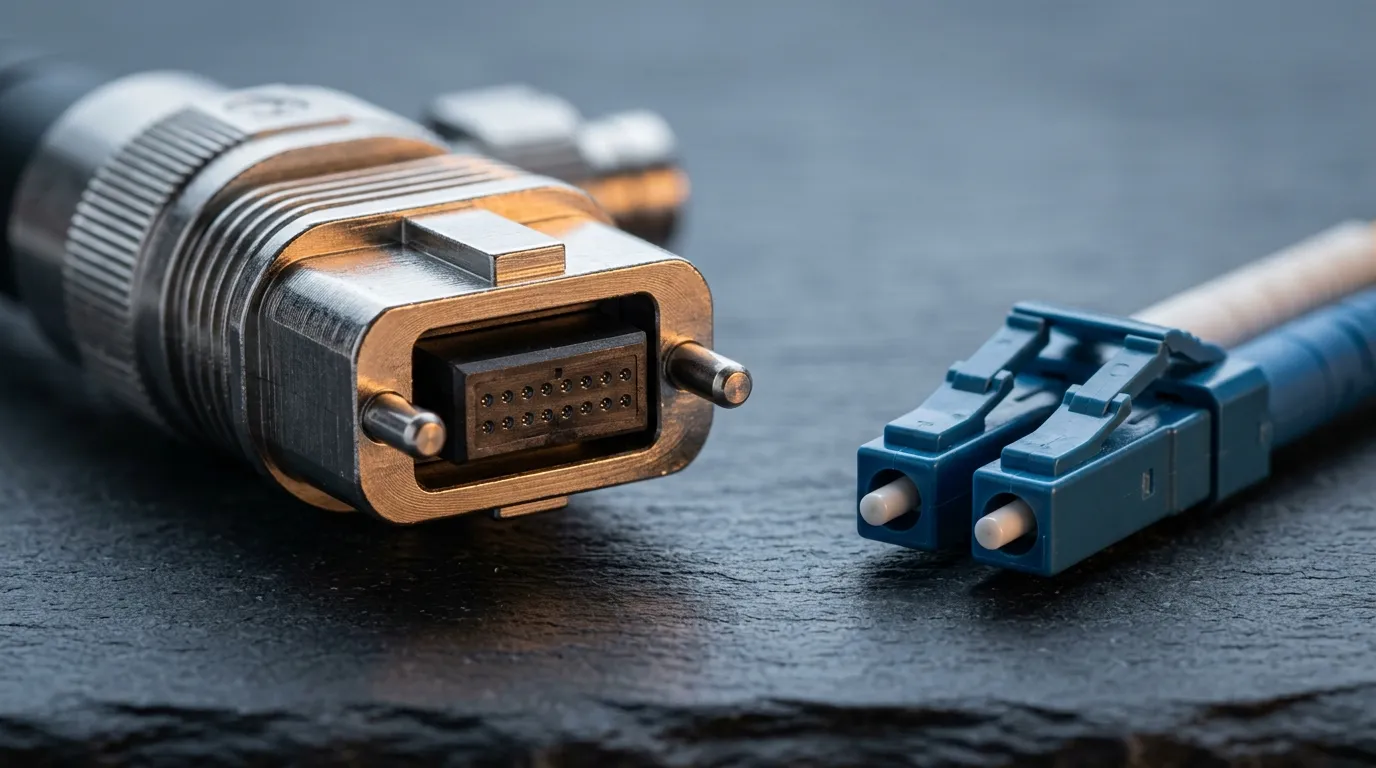 Data Center Cabling
MPO vs LC in high-density cabling: count the adapter positions, budget the connector loss, and see when duplex LC is still the better port to build on.
Read article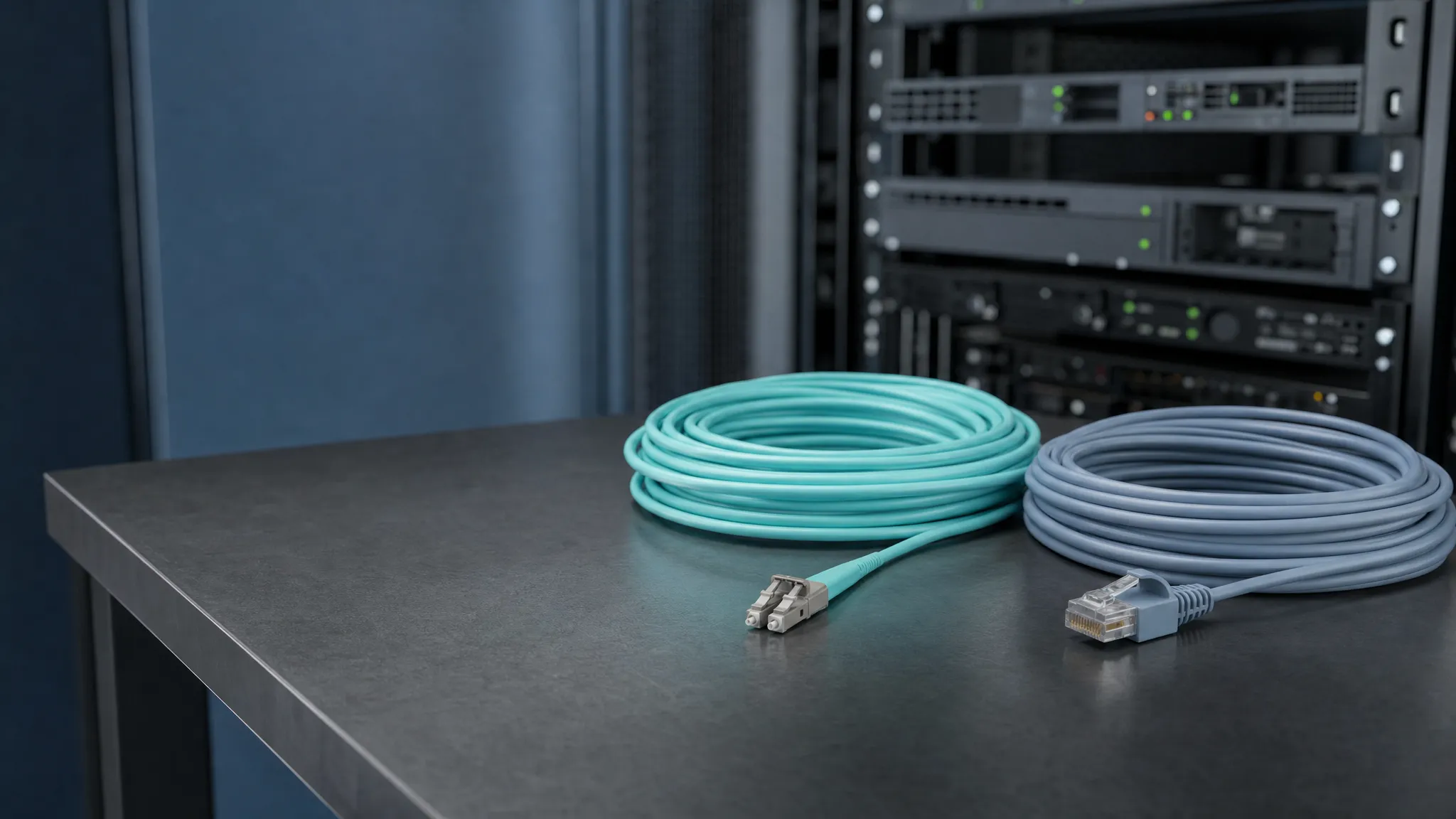 Enterprise & Structured Cabling
Fiber vs Cat6 is an enterprise LAN decision, not a home-ISP one. Compare reach, bandwidth, PoE and total cost, and the layers where copper still wins.
Read article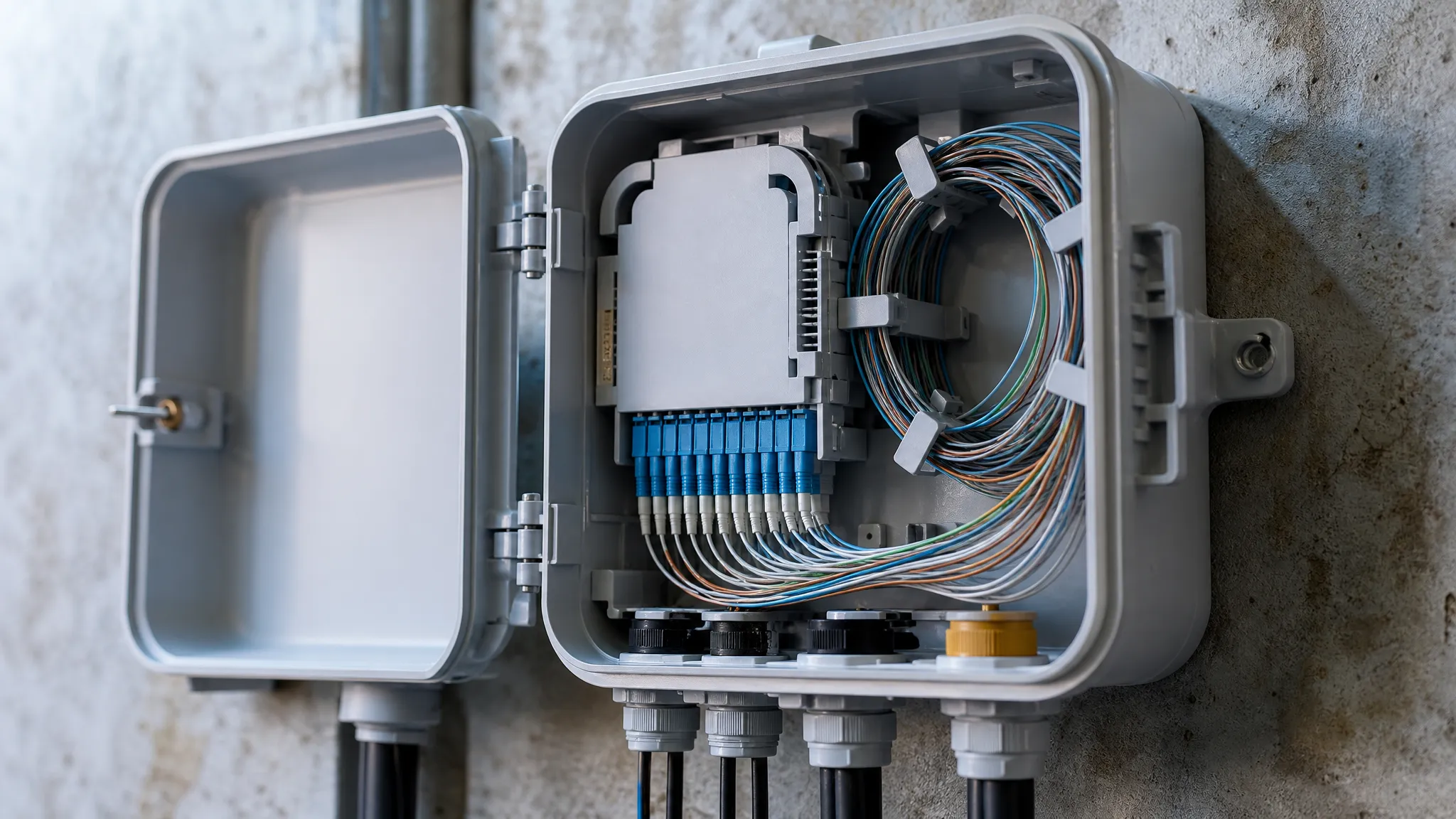 FTTH & PON
FTTH network topology design is one ordered decision: density and take rate pick the topology, which then places the splitters and sets the split ratio.
Read article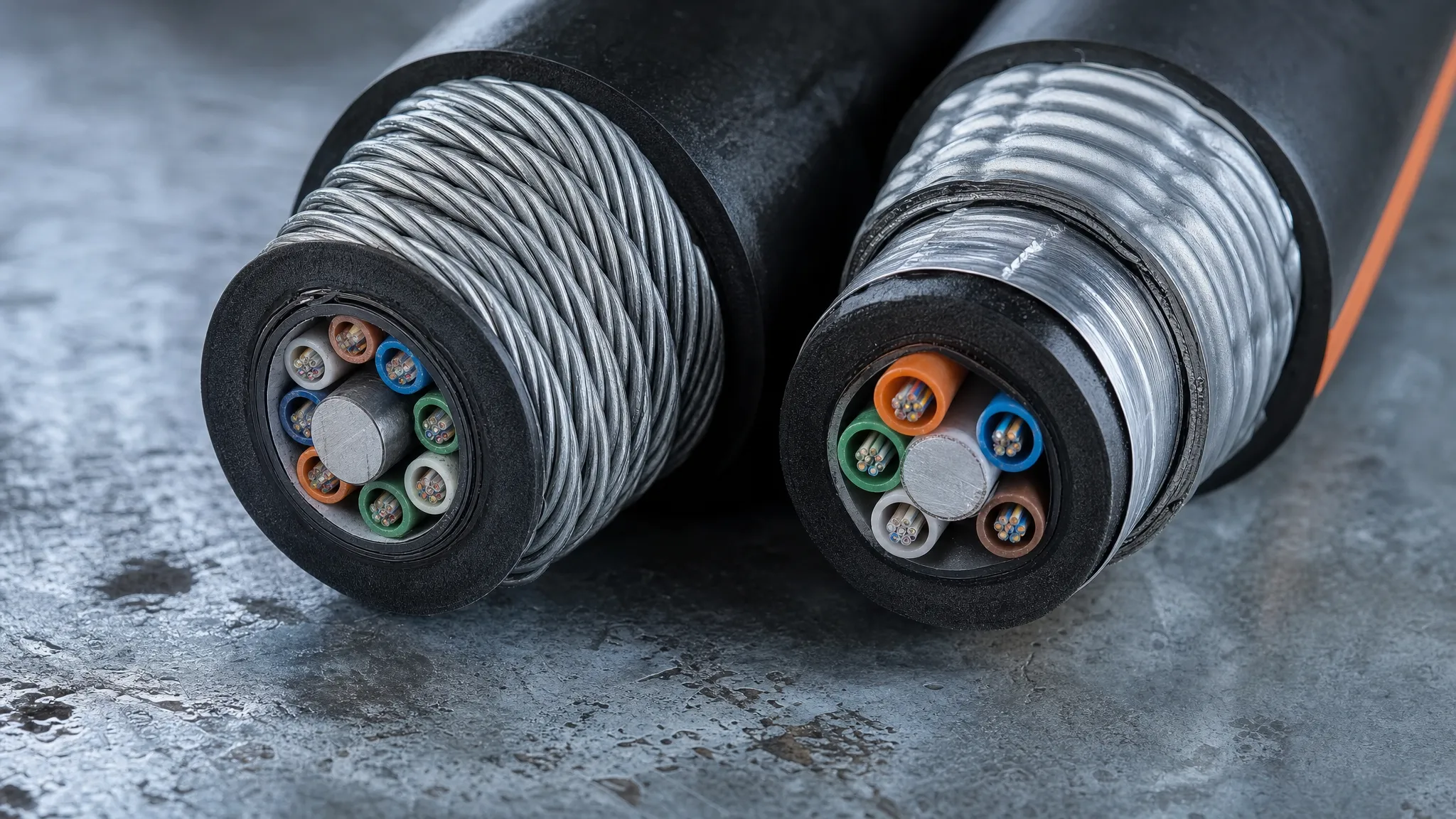 Industrial & Harsh Environment
Steel wire armor and double armor answer different threats. Compare tensile, crush, rodent and bend-radius limits, then pick the right burial construction.
Read article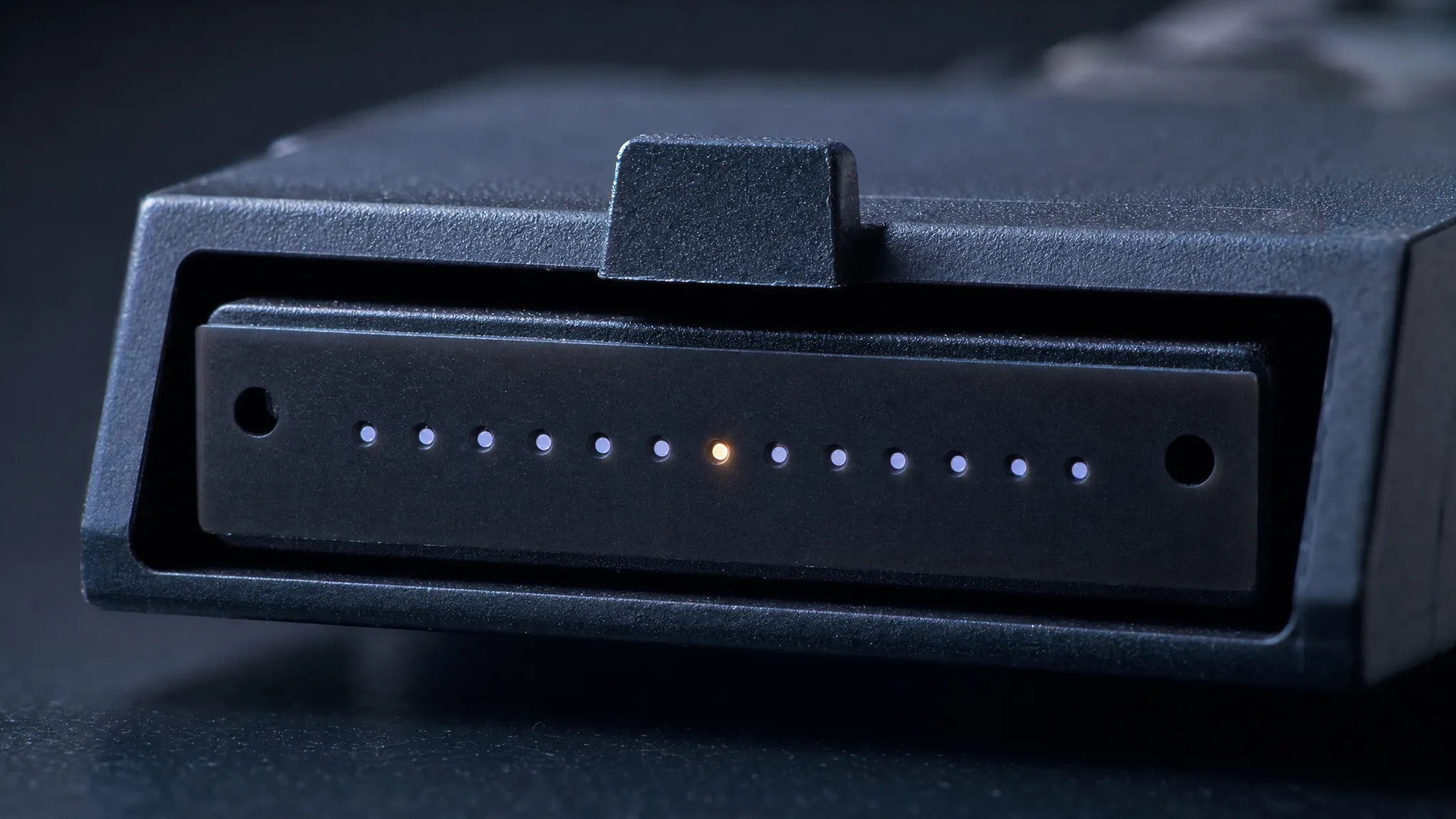 Data Center Cabling
MPO Type A vs Type B explained with exact pin maps, key-up vs key-down geometry, Type C pair flips, and the polarity method that matches your port setup.
Read article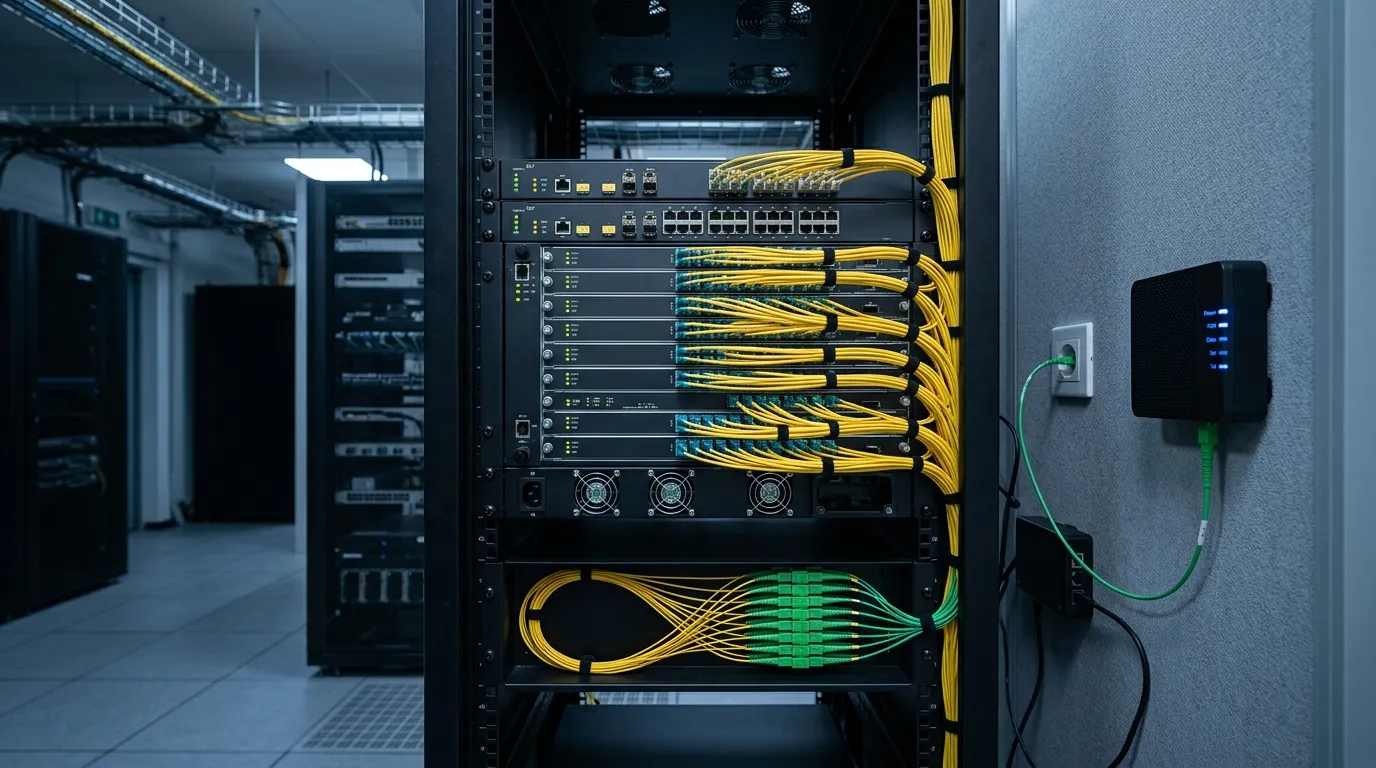 FTTH & PON
An optical network terminal (ONT) turns fiber light into Ethernet at your premises. Here is how the OLT, ONU and the ODN that links them actually fit together.
Read article Industrial & Harsh Environment
How to specify railway trackside fiber cable: trough and duct routes, armoring, the EMC and fire standards that apply, splicing, testing and DAS sensing.
Read article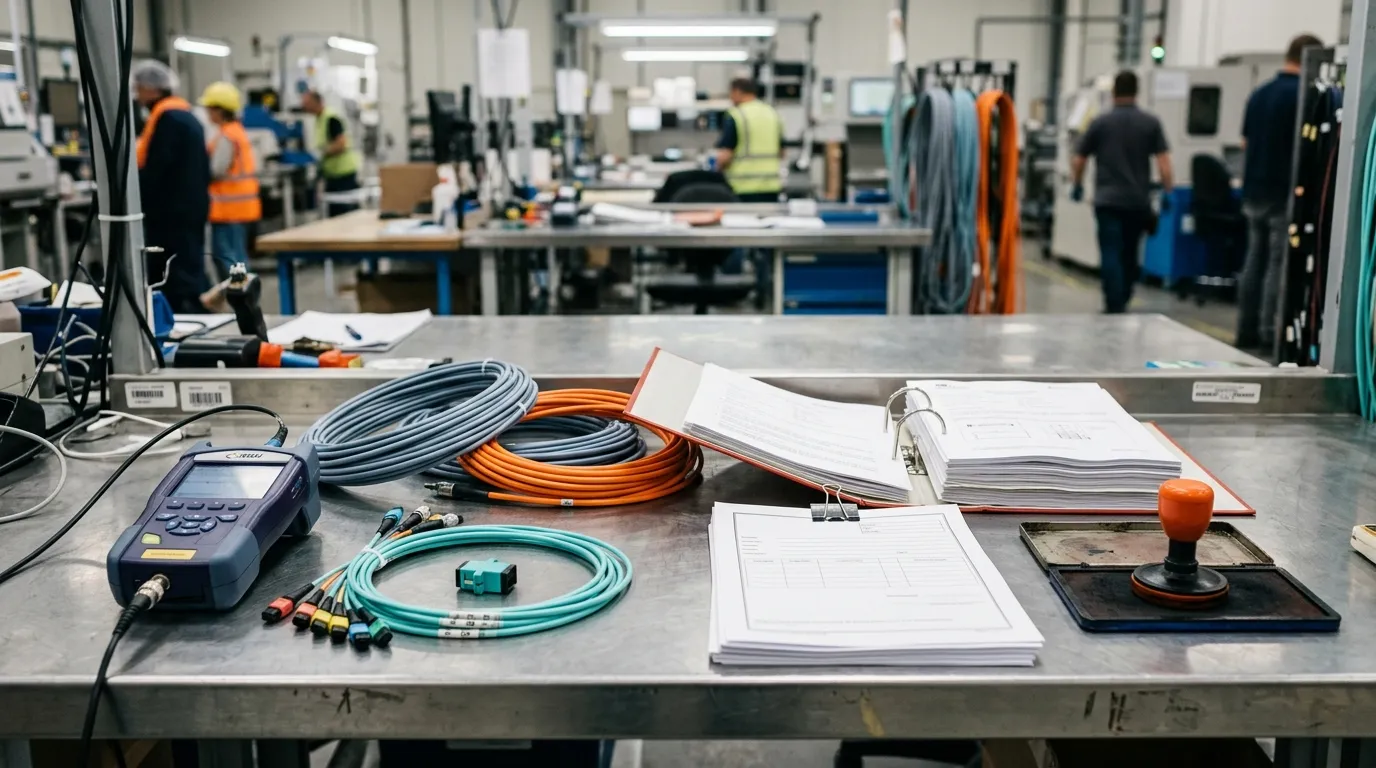 Standards & Certifications
A fiber optic cable certificate library explained: CPR/EN 50575, UL, CE, RoHS, REACH, ISO 9001, TIA/IEC test reports — and how buyers verify each document.
Read article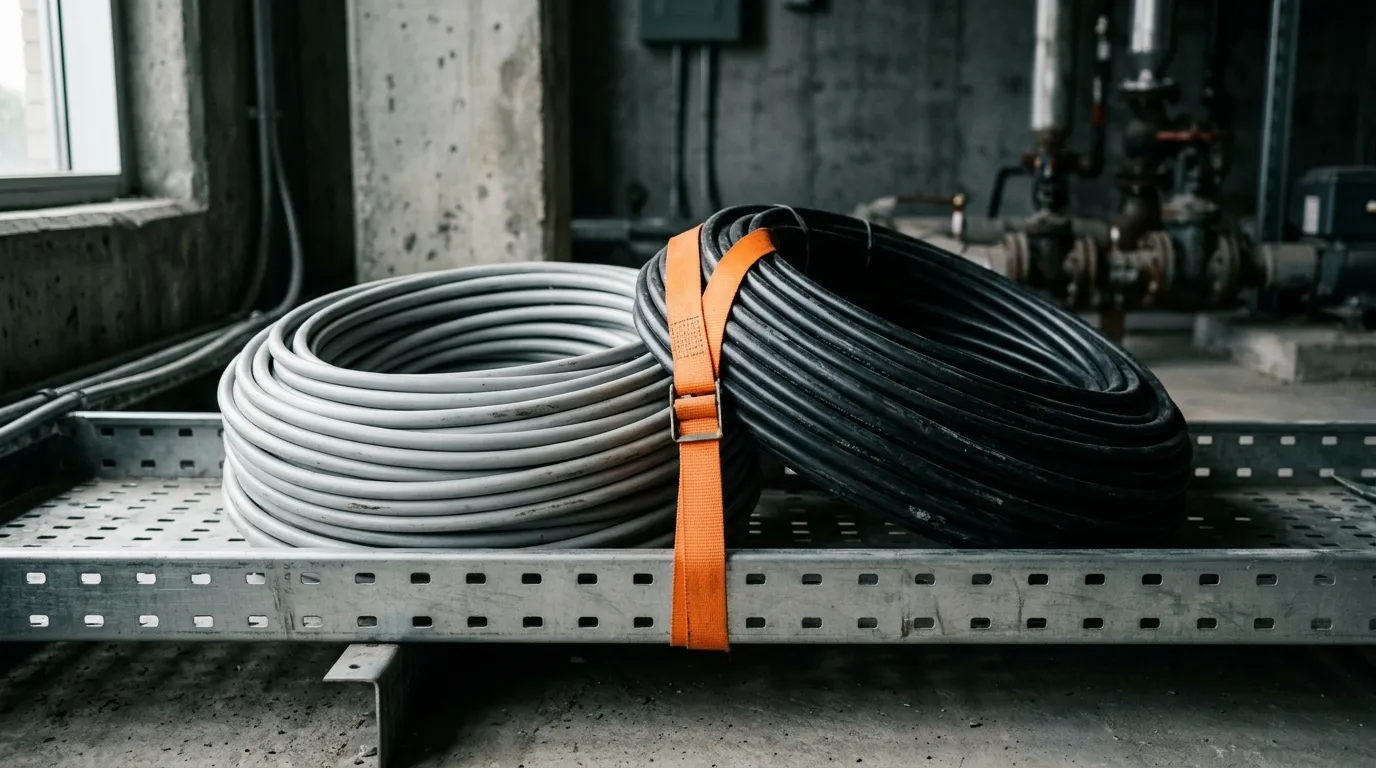 Enterprise & Structured Cabling
OFNR passes the UL 1666 riser test; OFNP passes NFPA 262 in a Steiner tunnel. Where each rating is required in the US, and how to verify a supplier's claim.
Read article FTTH & PON
AON uses powered switches and dedicated fiber; PON shares one feeder through passive splitters. Compare reach, optical budget, power and cost before you commit.
Read articleTTI Fiber manufactures patch cords, cables, splitters, and FTTH hardware in Shenzhen with ISO 9001/14001 quality systems. Request a factory-direct quote or sample for your next project.