
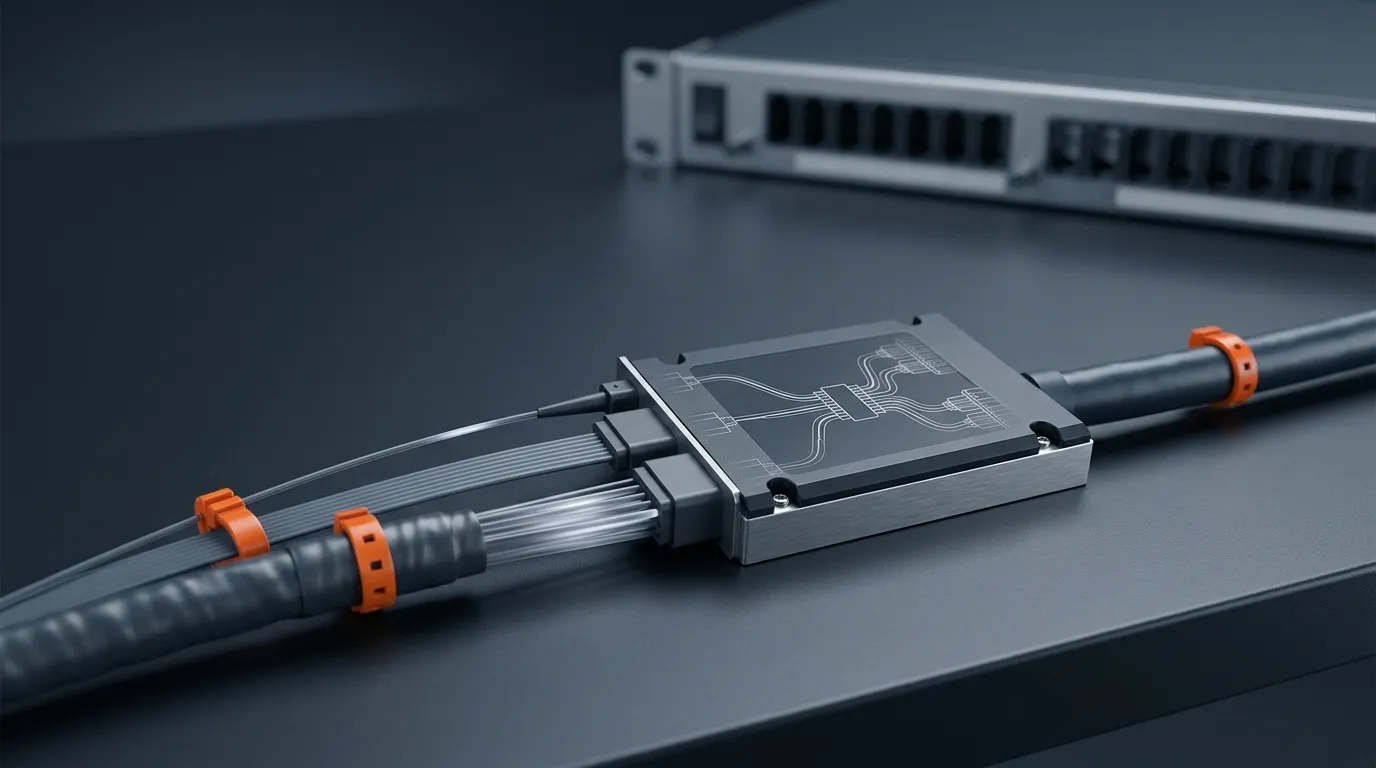
GPON vs EPON vs XGS-PON: Which to Deploy?
GPON vs EPON vs XGS-PON is three questions, not one. Choose by the ODN you already own, the split ratio it can carry and the upstream your services need.
Read article
Planning and building last-mile fiber: PON architecture, splitter ratios, drop cables, ODN hardware, and FTTH rollout practices for ISPs and contractors.
GPON vs EPON vs XGS-PON is three questions, not one. Choose by the ODN you already own, the split ratio it can carry and the upstream your services need.
Read article
FTTP, FTTH, FTTB, and FTTD describe how far fiber runs toward the user — to the property, the home, the building, or each desk. Compare the four and choose the right one.
Read article
FTTB (Fiber to the Building) delivers fiber to a building's telecom room, then copper or Ethernet to each unit. Learn how FTTB works, the cable construction behind it, and when to choose it over FTTH.
Read article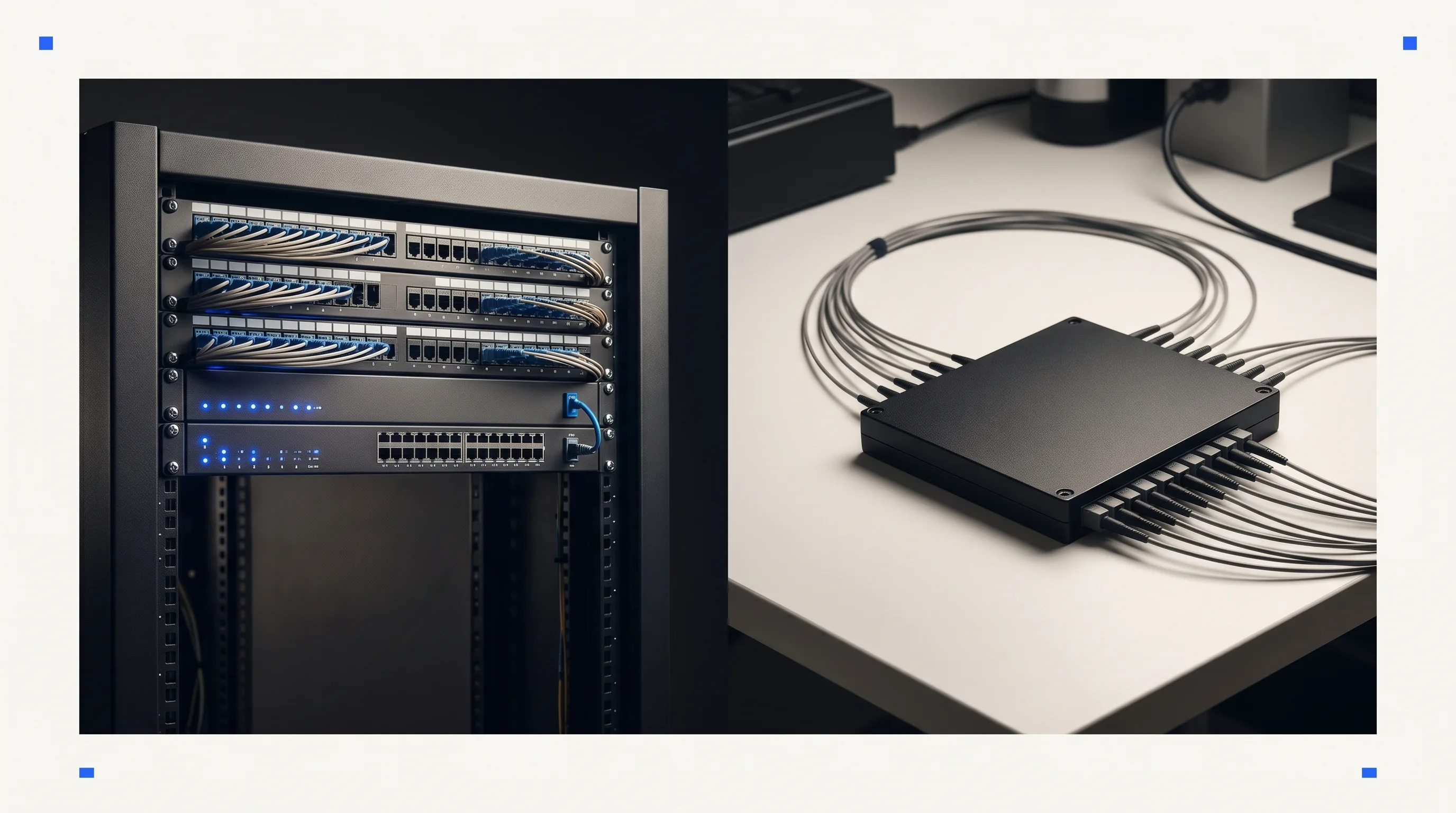
Active splitters require external power and amplify the signal; passive splitters need no power but introduce inherent loss. Learn which type fits your network.
Read article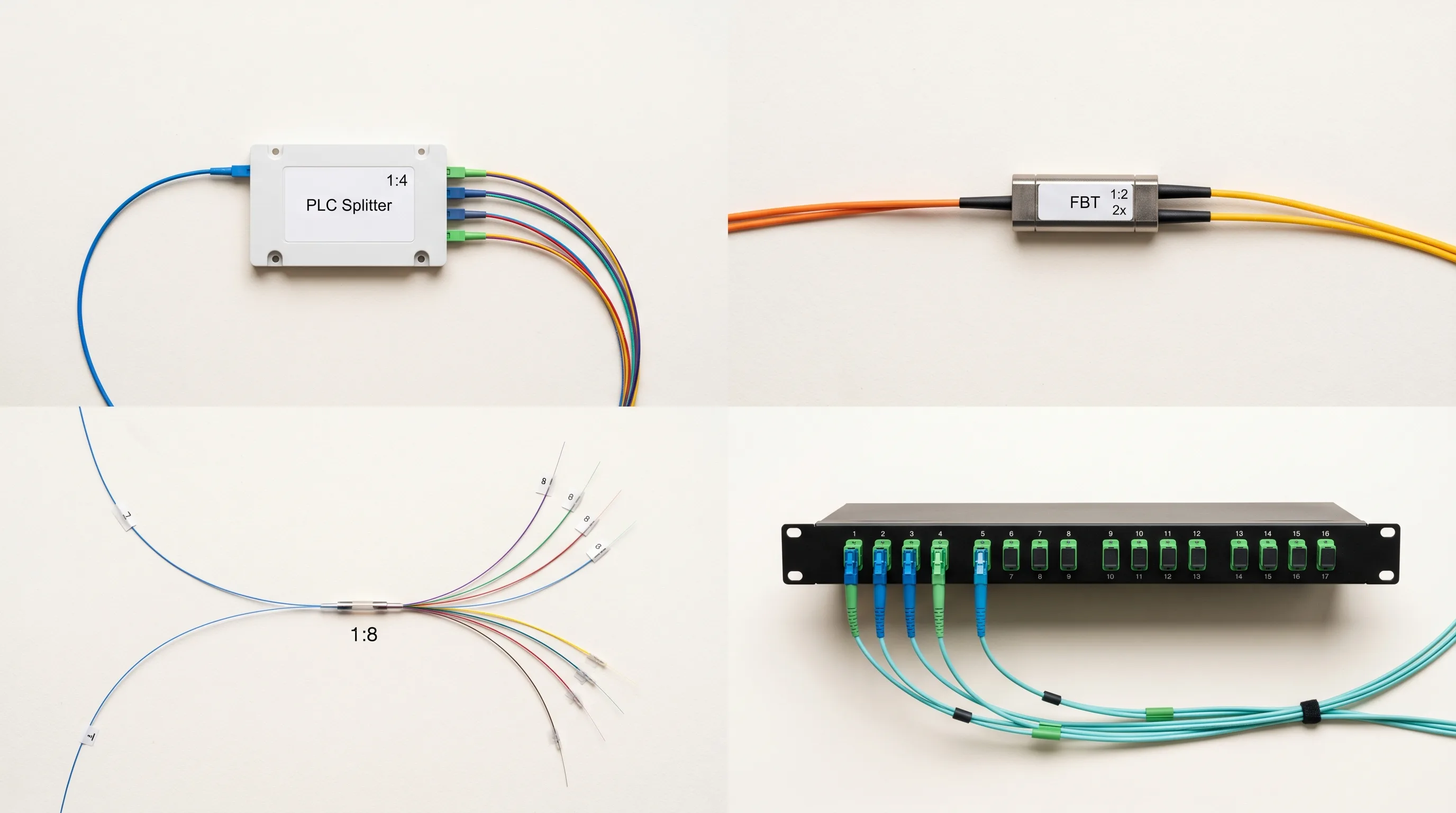
From 1×2 to 1×64, from FBT to PLC, this guide covers every major type of optical fiber splitter — how each works, when to use it, and how to choose the right one for your network.
Read article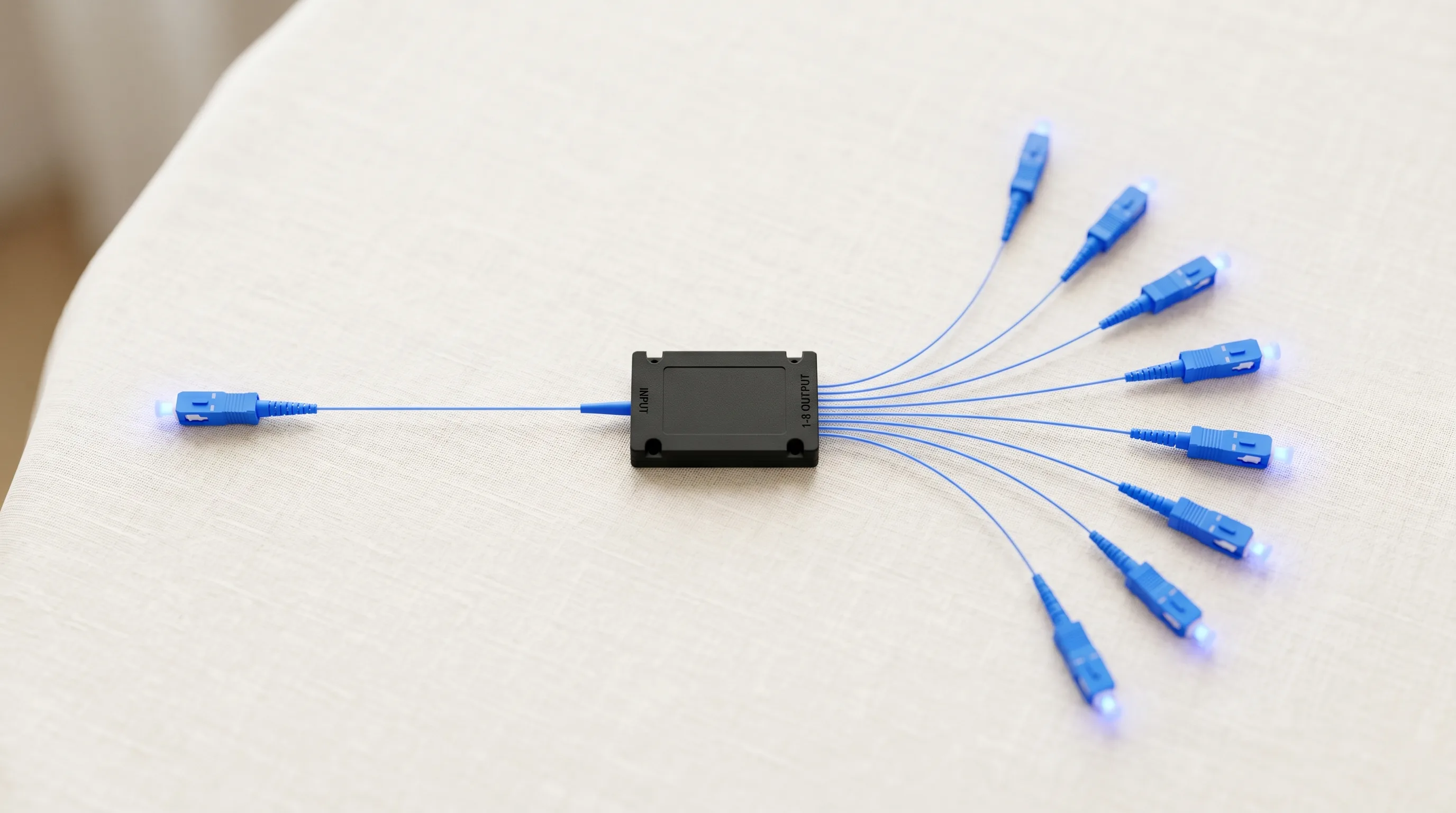
Every passive PLC splitter adds an unavoidable signal tax. Learn exactly how many dB each split ratio costs — from 1×2 (~3.1 dB) to 1×64 (~20 dB) — and how to fit it into your link budget.
Read article
FTTH runs fiber directly to individual homes; FTTP is the broader term covering fiber to any premises — homes, offices, apartments, or campuses. Learn which fits your use case.
Read article