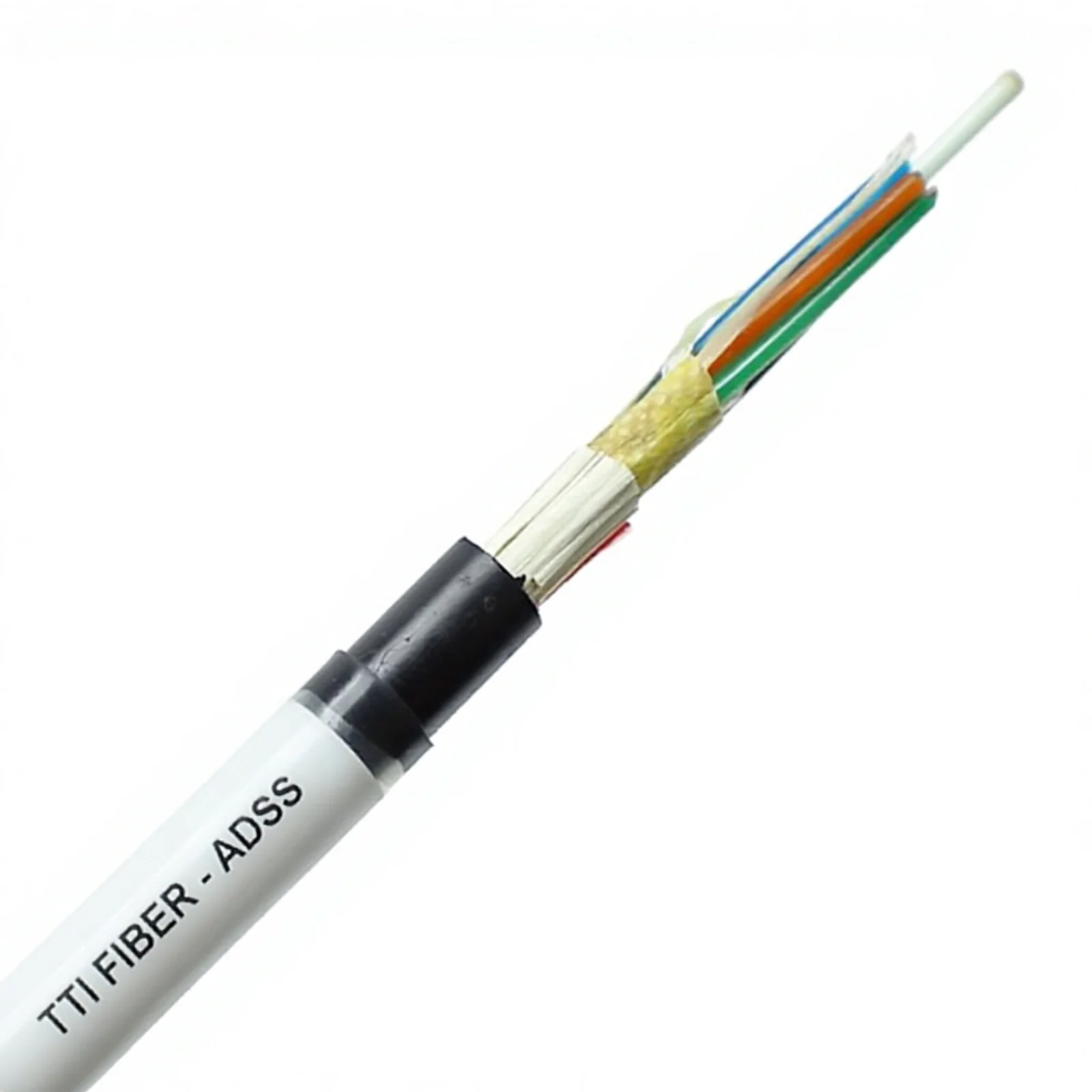
All-Dielectric Fiber Cable Lightning Protection | TTI Fiber
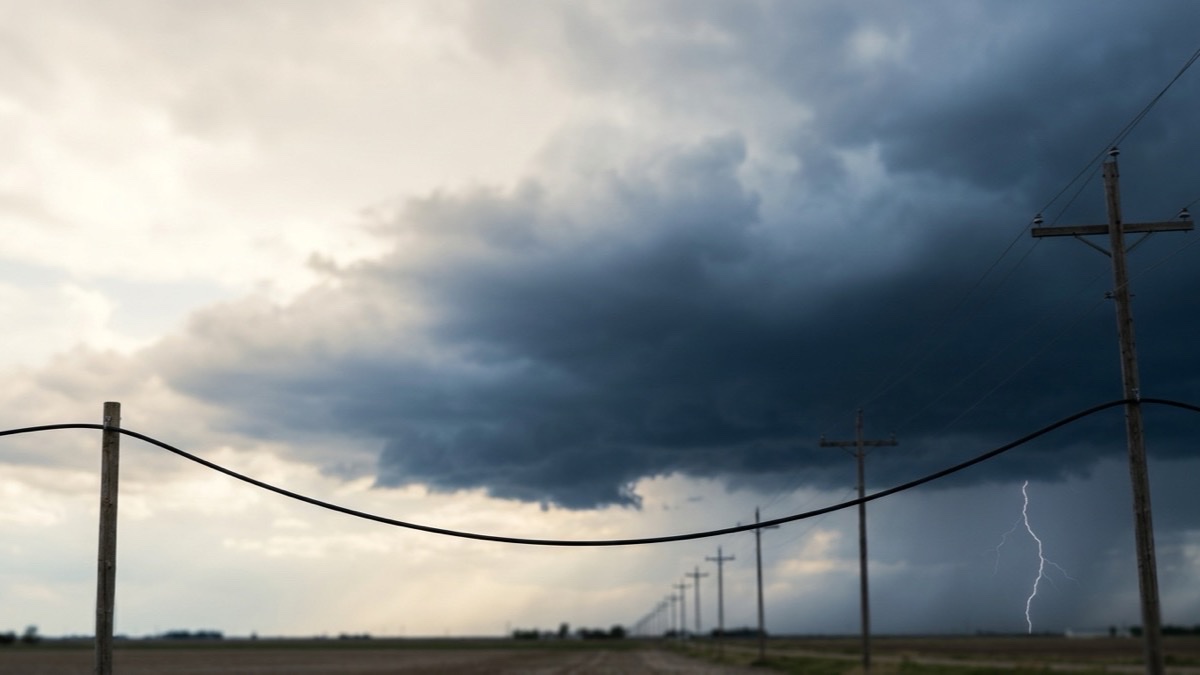
All-dielectric fiber cable needs no grounding — but that's a fact about the cable, not the link. Where lightning risk actually moves, and what to specify.
Read article
Outdoor and backbone fiber: ADSS and duct cables, aerial vs direct-buried installs, splice closures, GYTS/GYFTY cable types, and metro-to-long-haul design.
All-dielectric fiber cable needs no grounding — but that's a fact about the cable, not the link. Where lightning risk actually moves, and what to specify.
Read article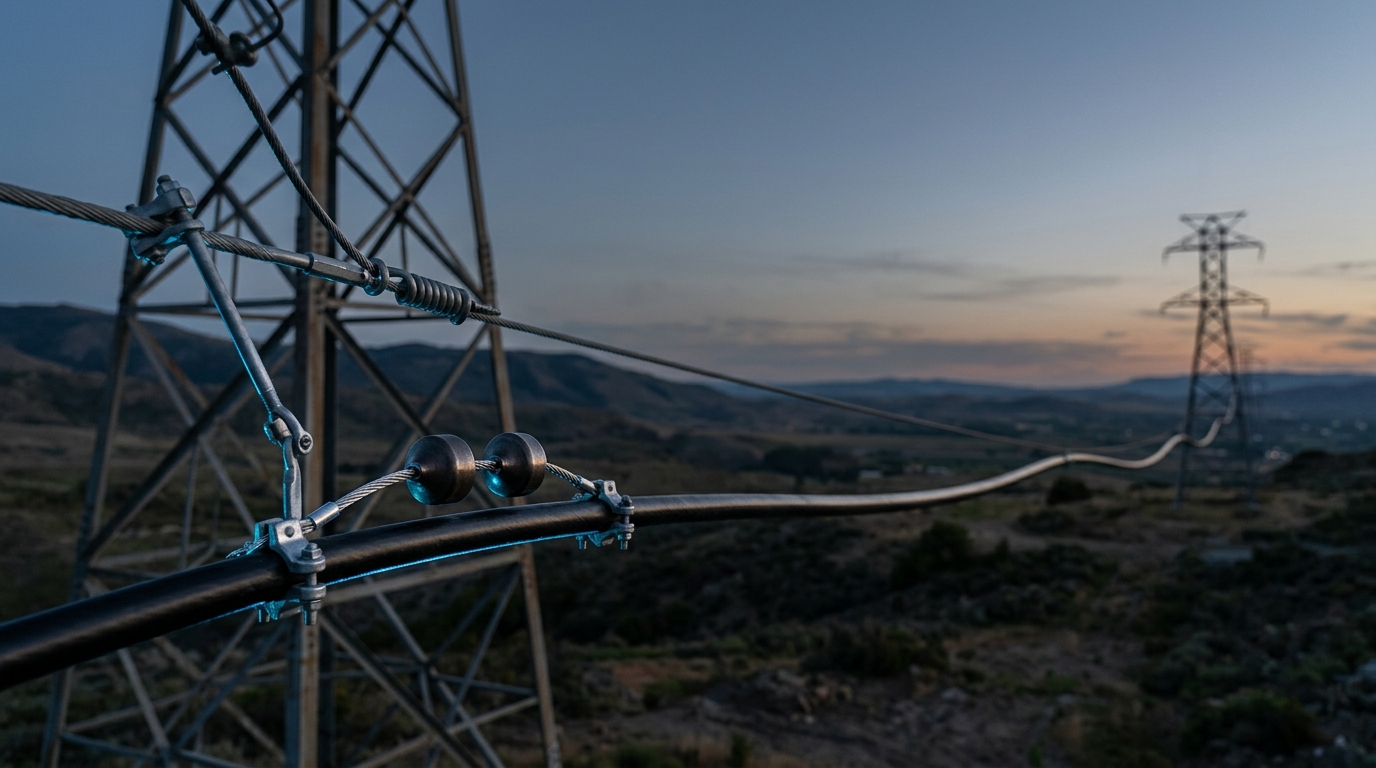
Damper spacing on an ADSS span comes from loop length, not a borrowed table. The physics, why H/w beats span length, and how many dampers a span needs.
Read article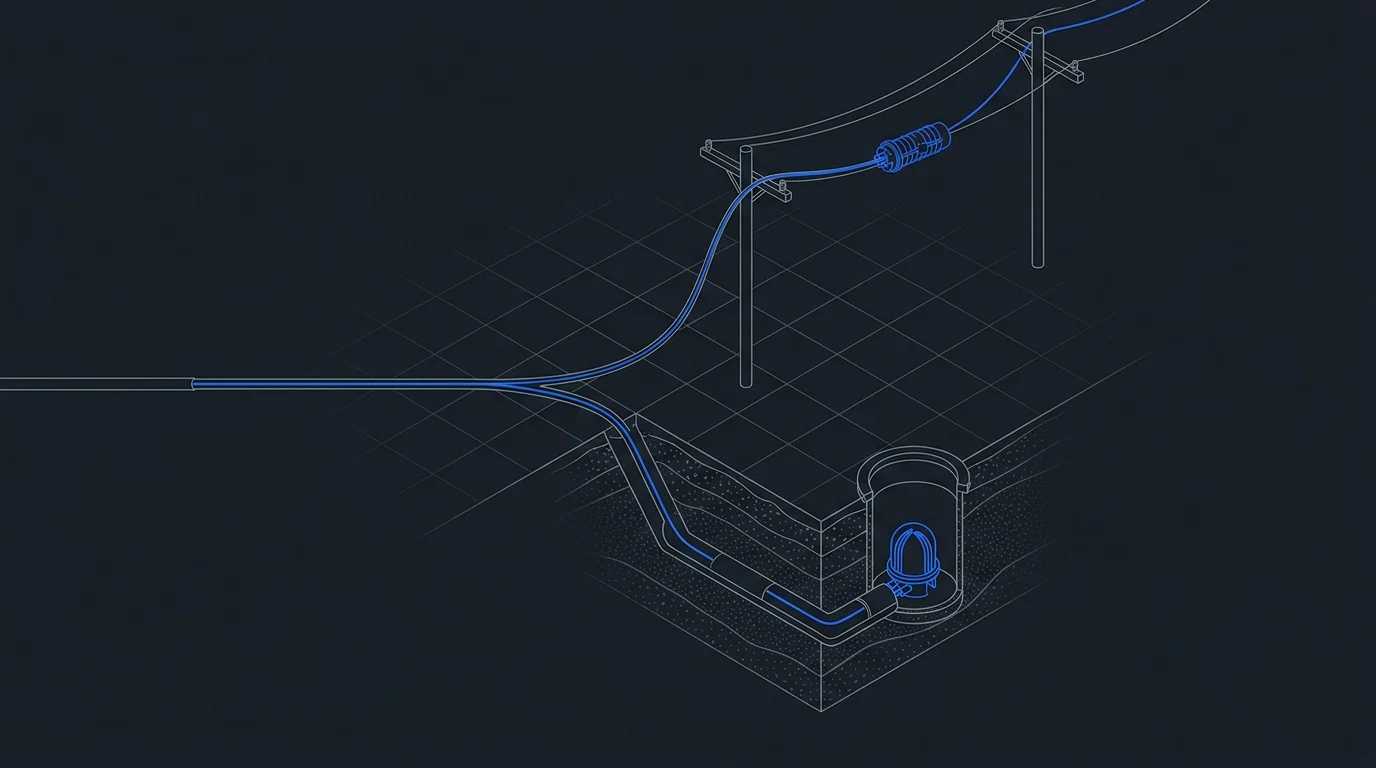
The route doesn't pick your splice closure: cable entry topology and environmental load do. A field-tested framework for aerial and underground fiber.
Read article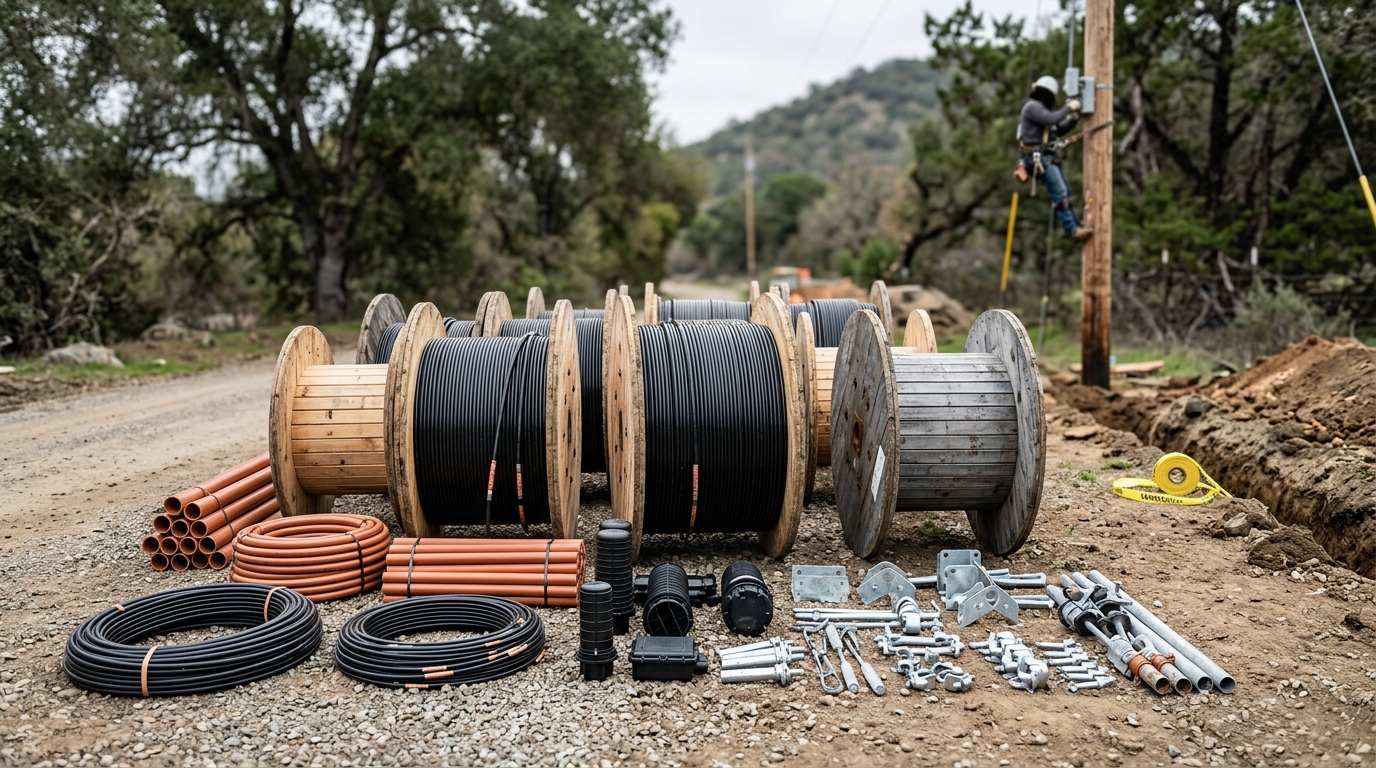
An OSP project BOM is a design output, not a shopping list. A layer-by-layer fiber build checklist, quantity formulas, and the line items crews forget.
Read article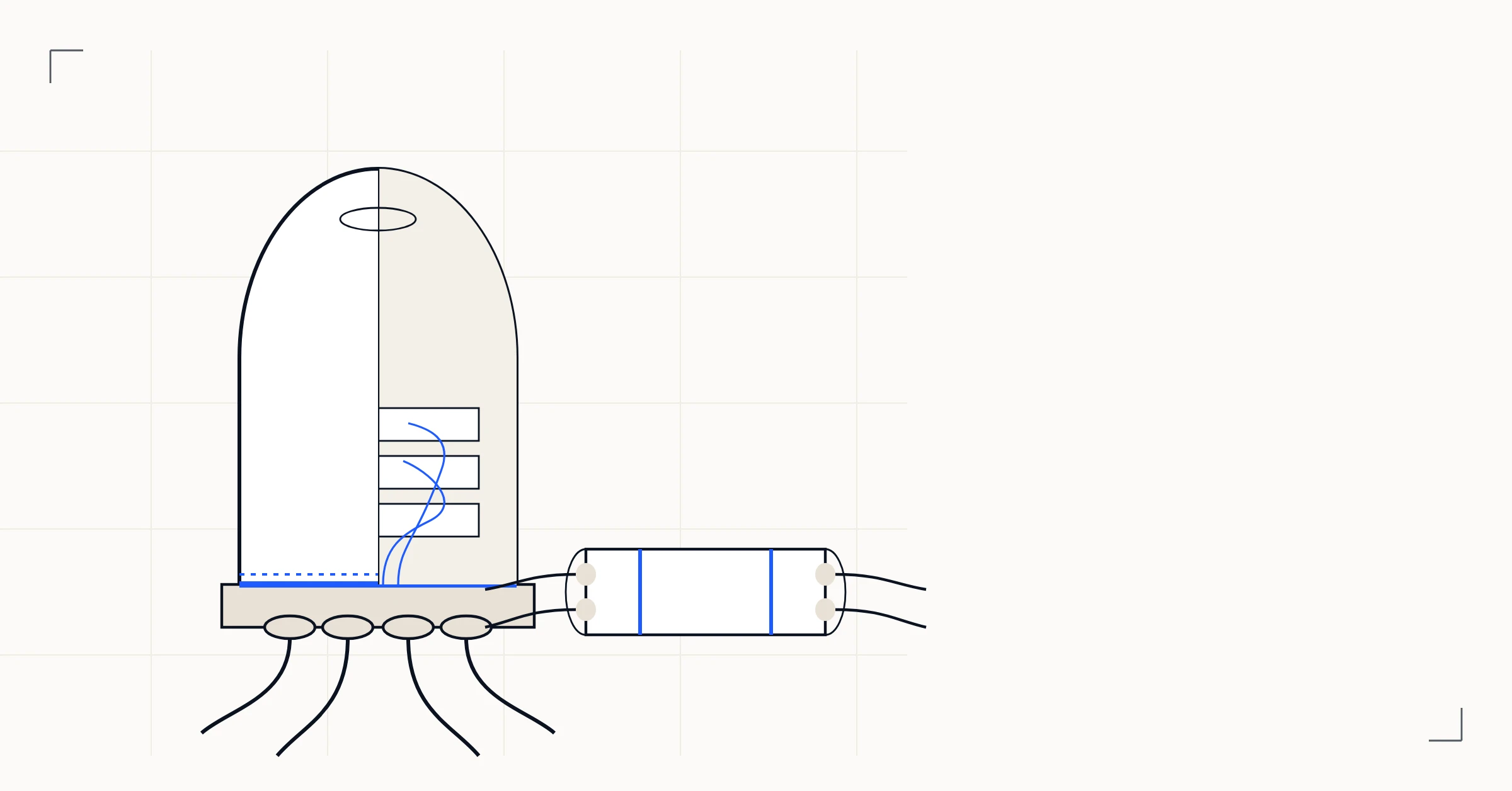
IP68 alone doesn't prove a splice closure is sealed. Learn what IEC 60529 actually certifies, which tests matter, and how to pick the right closure type.
Read article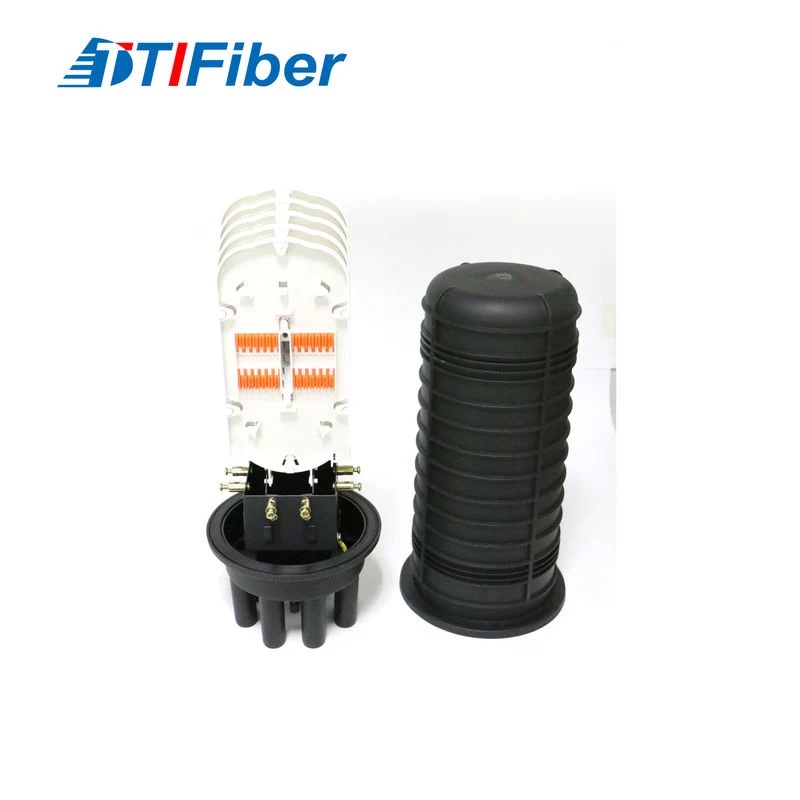
Splice closure fiber optic types explained: dome vs horizontal, why cap-style isn't a third type, sealing methods, capacity, and how to choose the right one.
Read article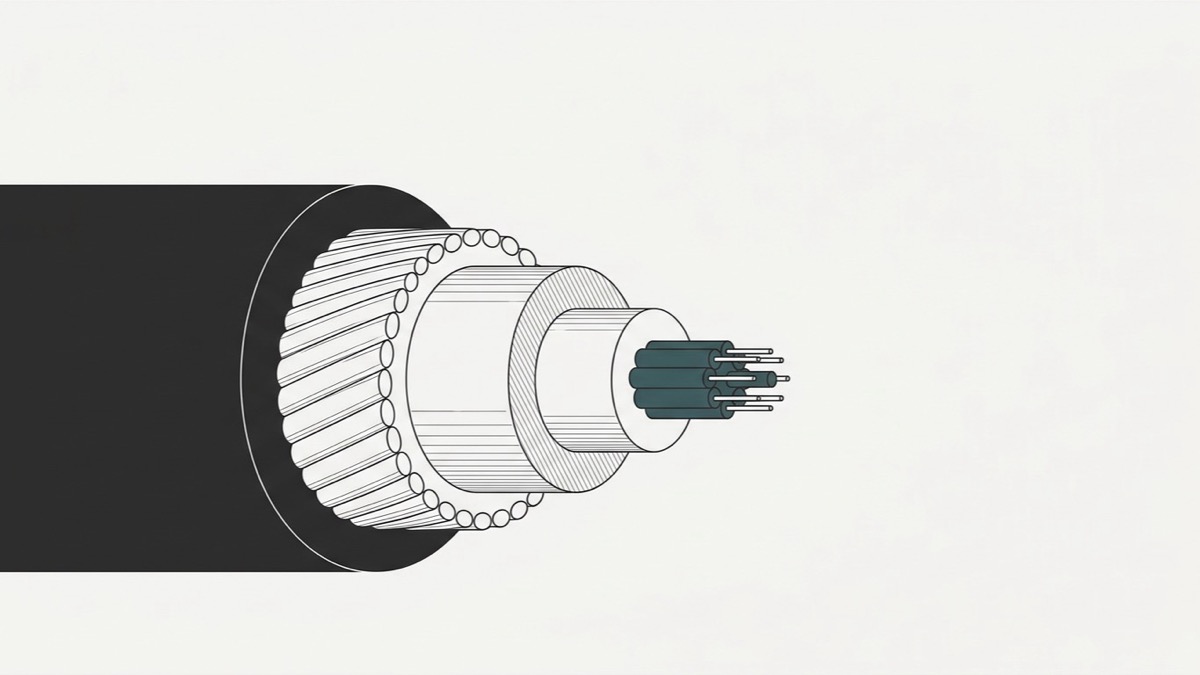
Submarine cable basics: structure, transmission, laying, faults, and the landing-station handoff most guides skip — explained clearly for network engineers.
Read article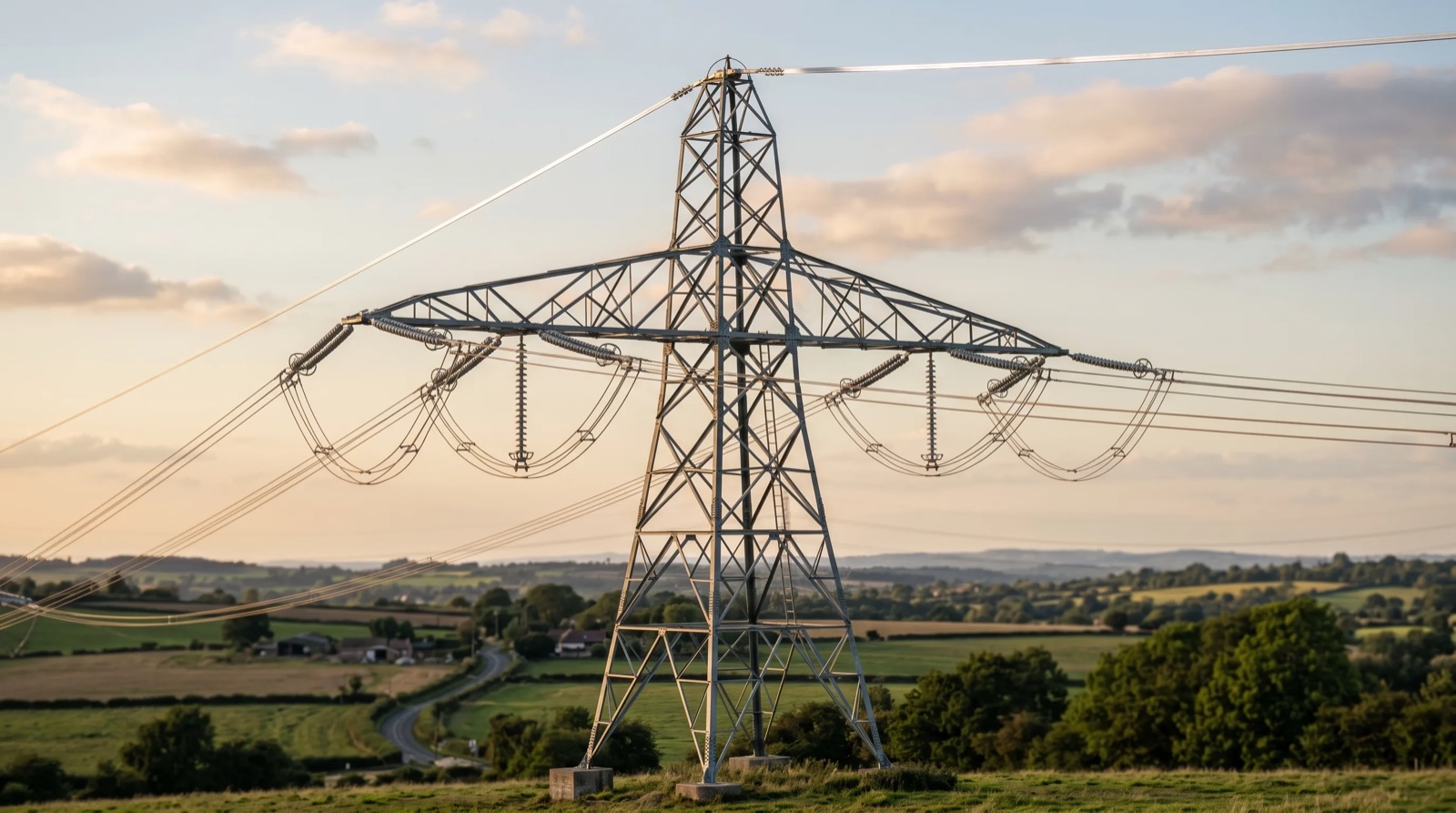
ADSS sag and tension calculation explained: MAT, EDS, %RTS, ruling span, ice and wind loading, and the fiber-strain limit that really governs your span design.
Read article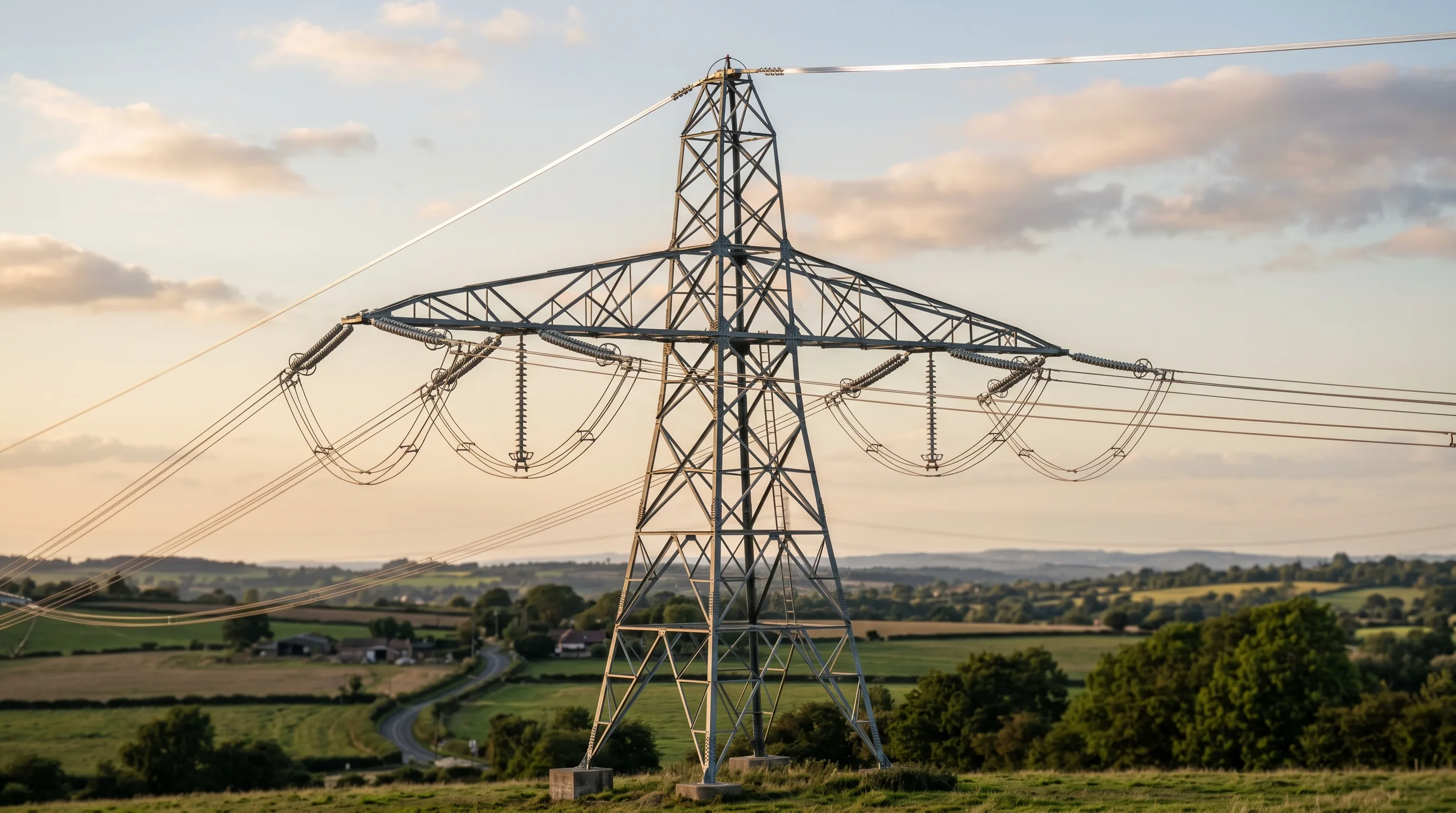
ADSS vs OPGW compared for overhead power lines: structure, dry-band arcing, span, cost, and a clear guide to choosing the right fiber cable for your route.
Read article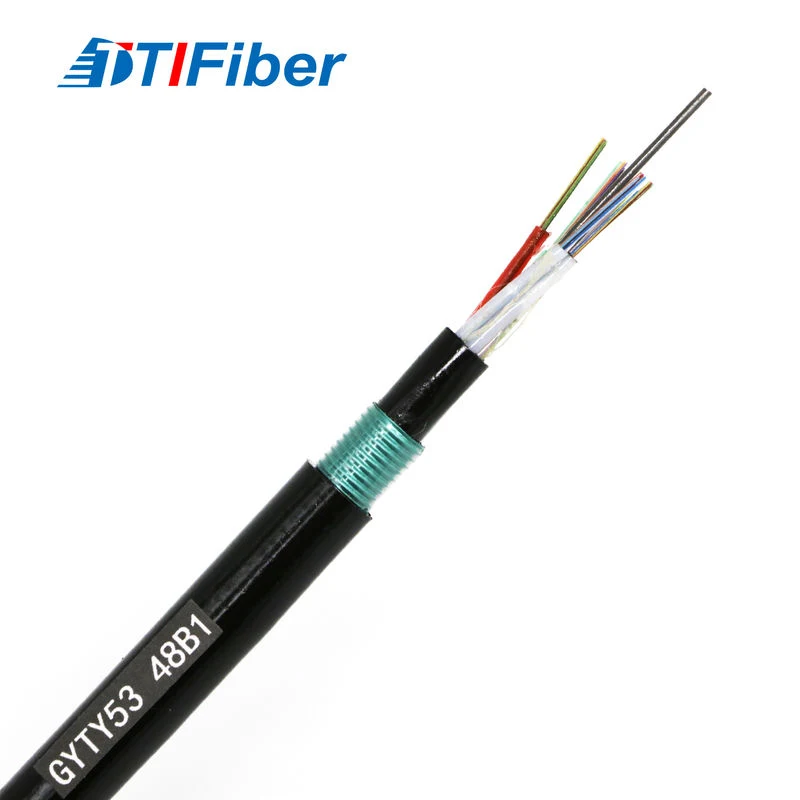
Direct burial, duct, or aerial? Compare the three ways to deploy underground fiber optic cable on cost, reliability, and route — and choose the right one.
Read article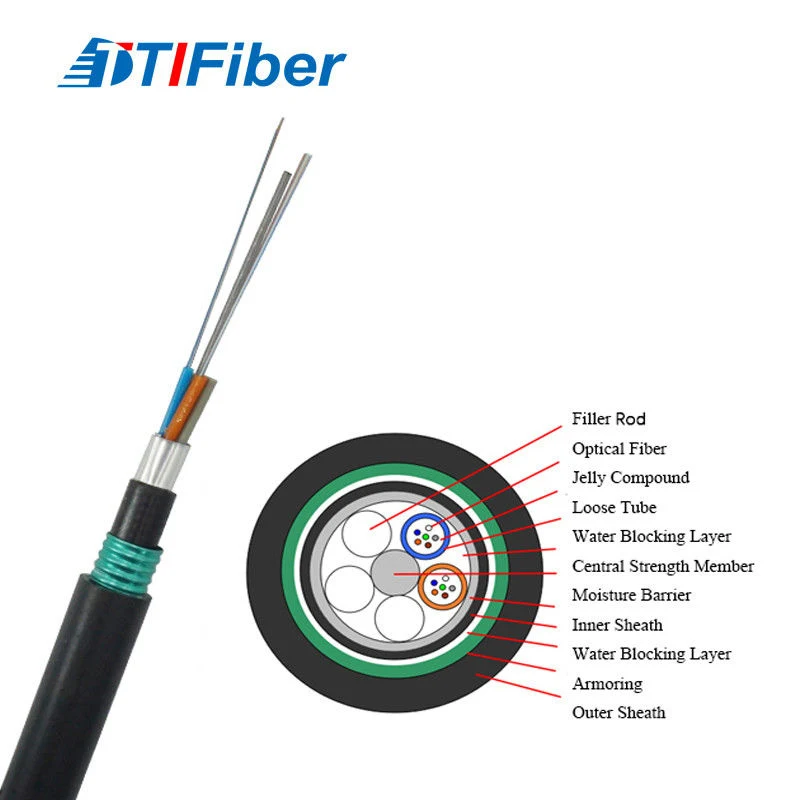
Decode GYTA, GYTS, GYTA53 and other outdoor armored fiber optic cable types: what each model code means, where each is used, and how to choose the right one.
Read article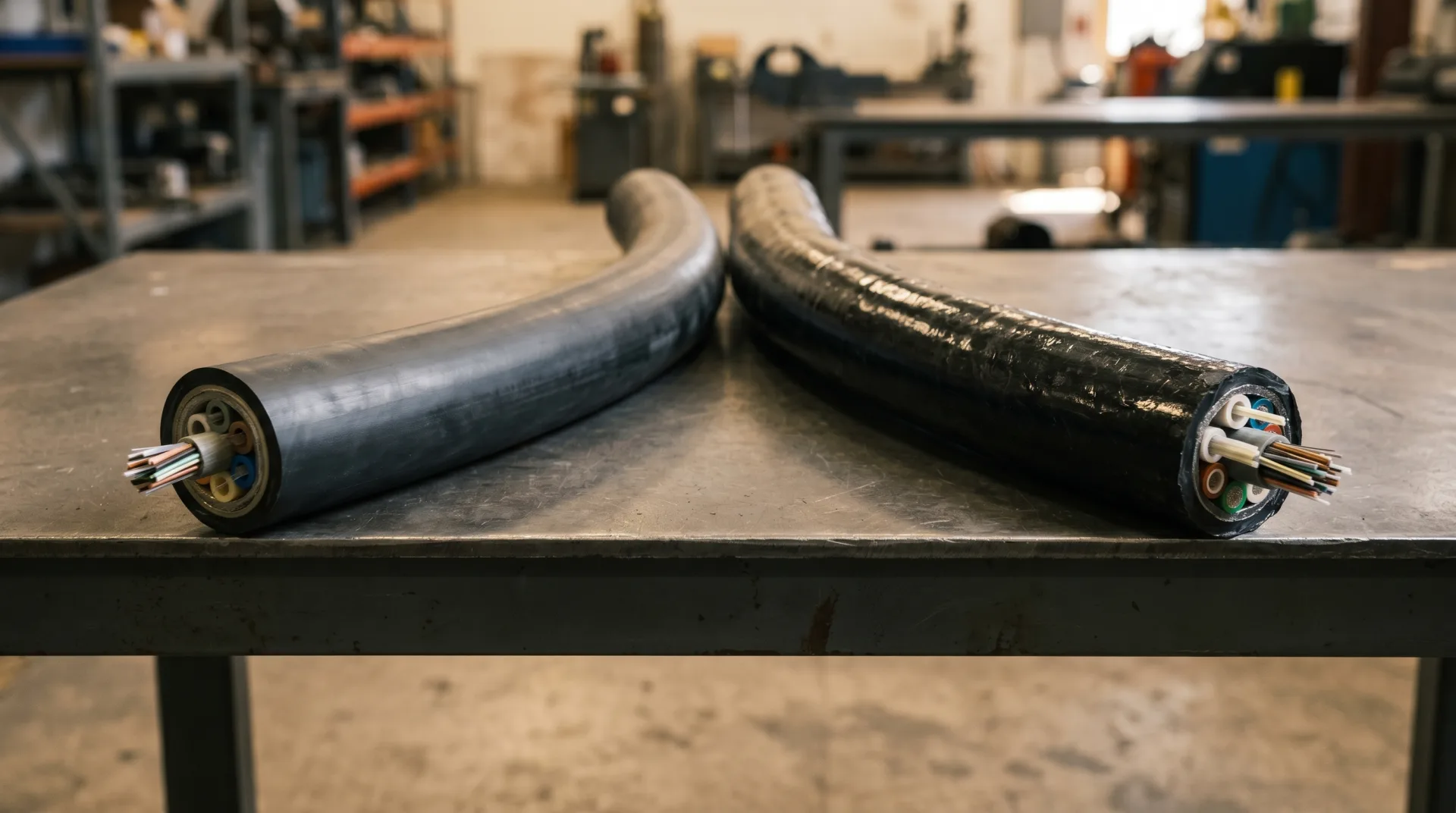
MDPE (0.926–0.940 g/cm³) vs HDPE (0.941–0.965 g/cm³) fiber optic cable jackets: molecular structure, mechanical behavior, UV and chemical resistance, and when to pick each one.
Read article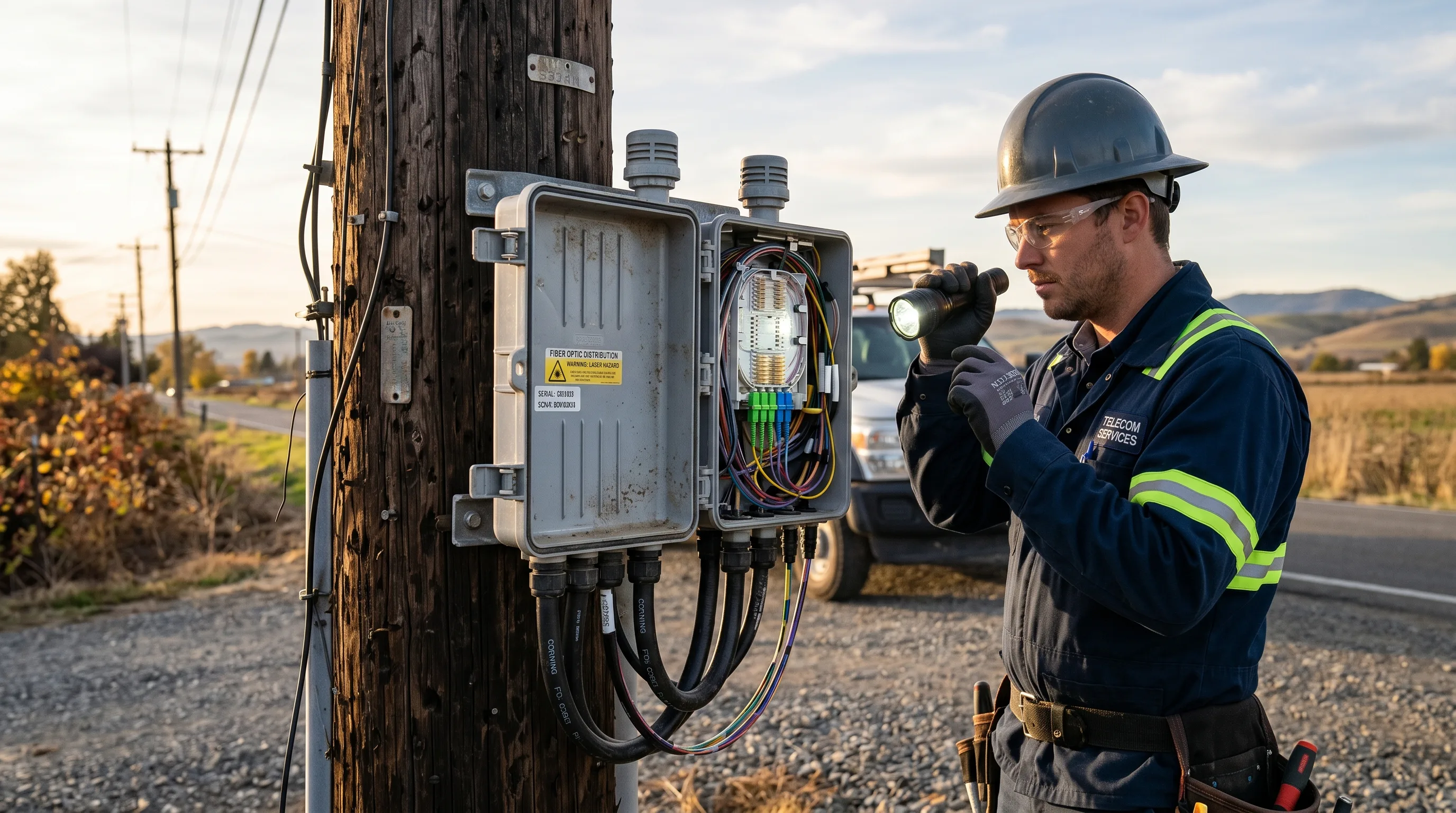
Moisture, corrosion, poor cable management, component failure — a field guide to the seven most common outdoor fiber optic termination box issues and how to avoid them.
Read article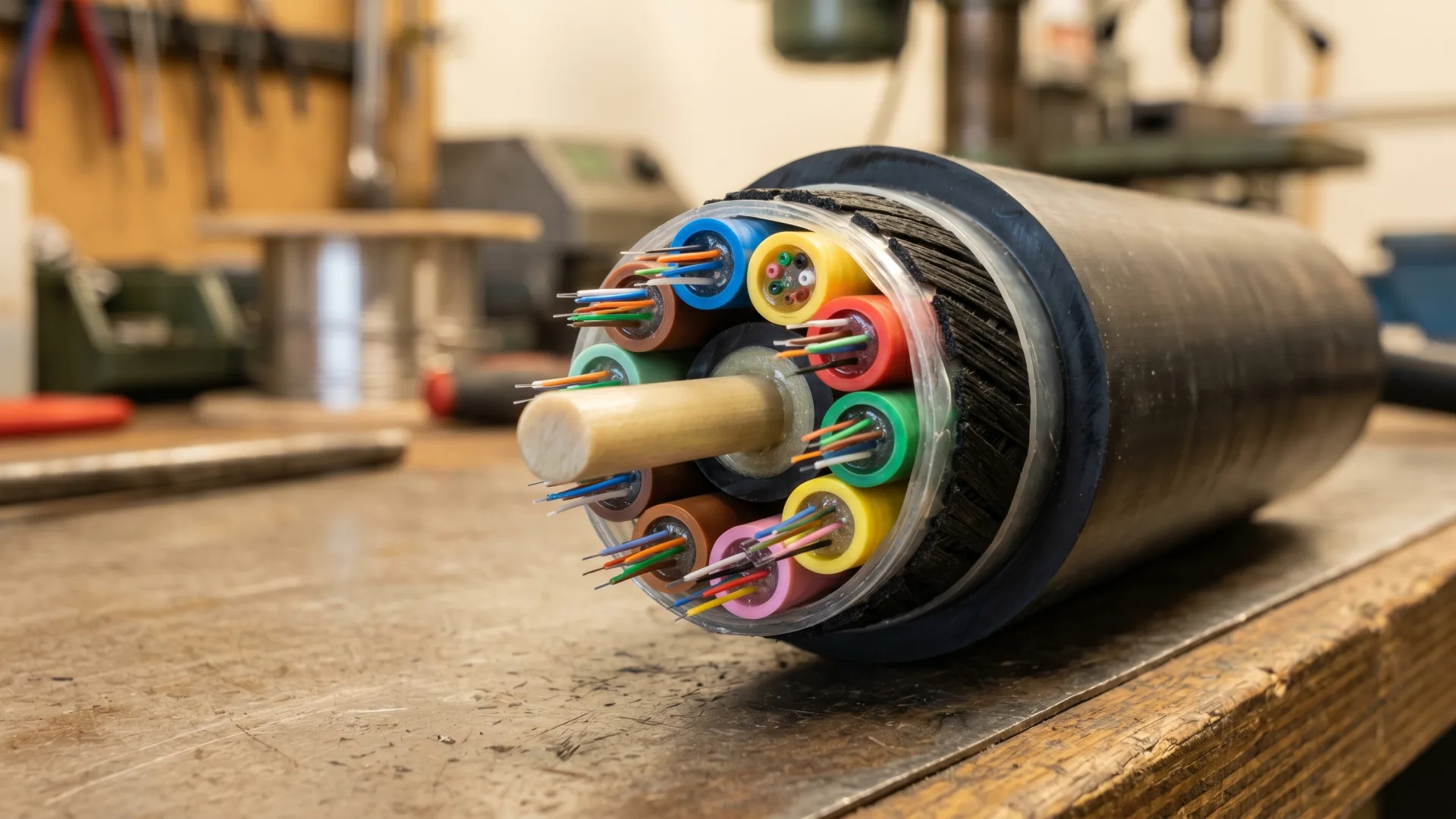
GYFTY is a non-metallic stranded loose-tube outdoor fiber optic cable built around an FRP central strength member — ideal for aerial runs near power lines and long-haul outdoor backbones.
Read article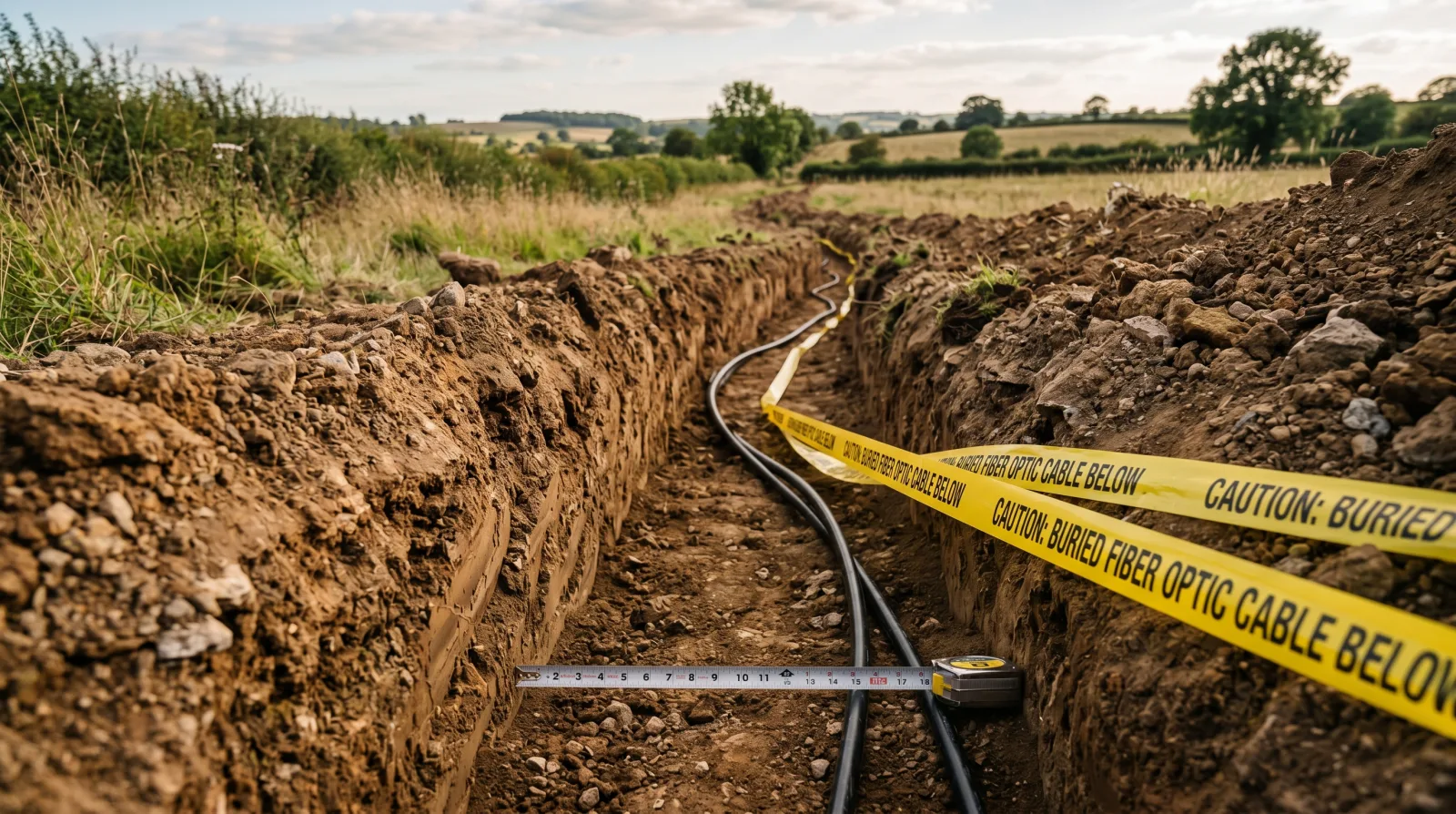
Direct-buried fiber optic cable should typically sit 24-48 inches (60-120 cm) deep. Learn how climate, soil, and traffic load decide the right burial depth.
Read article