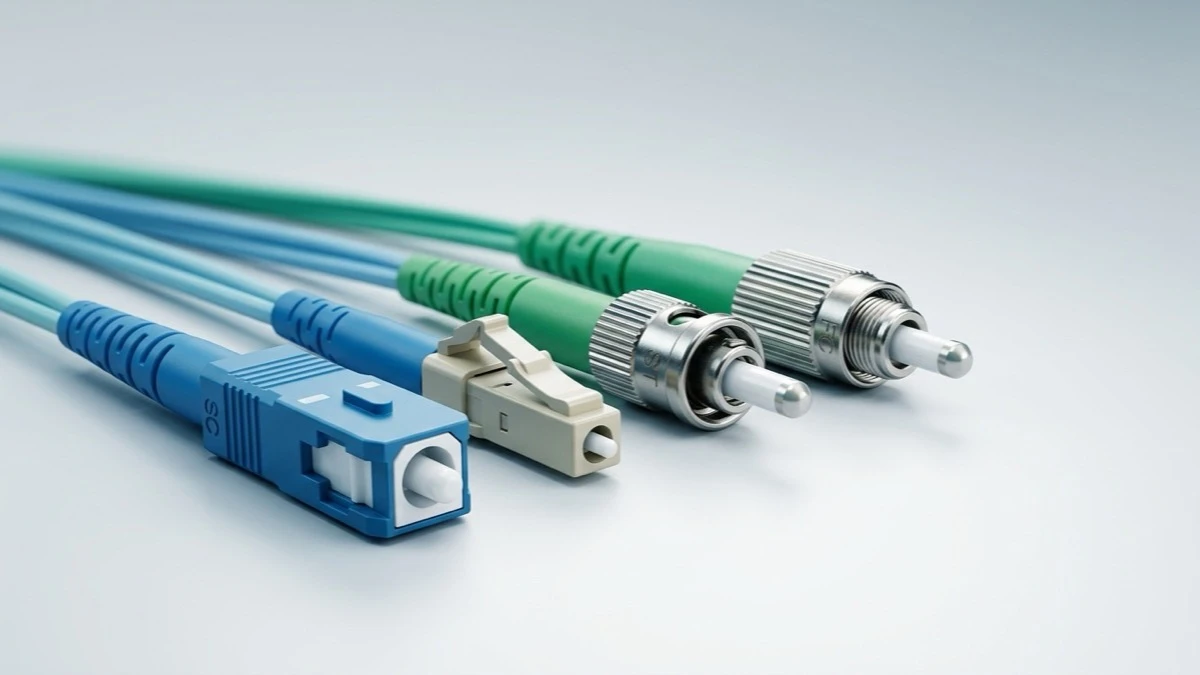
Fibre Optic Connector Types: SC, LC, ST & FC
A clear guide to fibre optic connector types — compare SC, LC, ST and FC (fiber) connectors by ferrule, polish, colour code and how to choose the right one.
Read article
The fundamentals behind every fiber spec: how light stays in the core, what drives loss and speed, multimode core sizes, connectors, and field troubleshooting.
A clear guide to fibre optic connector types — compare SC, LC, ST and FC (fiber) connectors by ferrule, polish, colour code and how to choose the right one.
Read article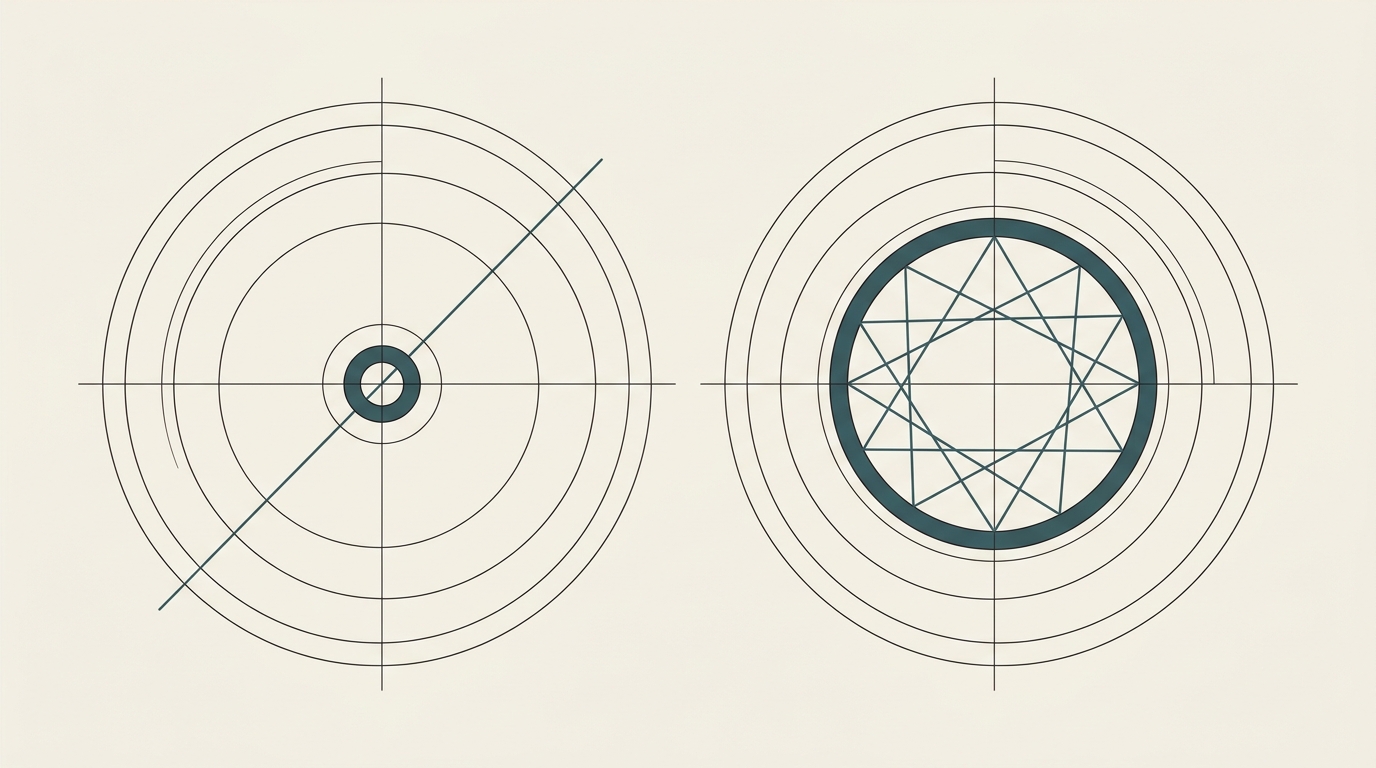
Single mode vs multimode fiber comes down to one thing: core size. See the real distance, speed, cost, color, and connector differences — and how to choose.
Read article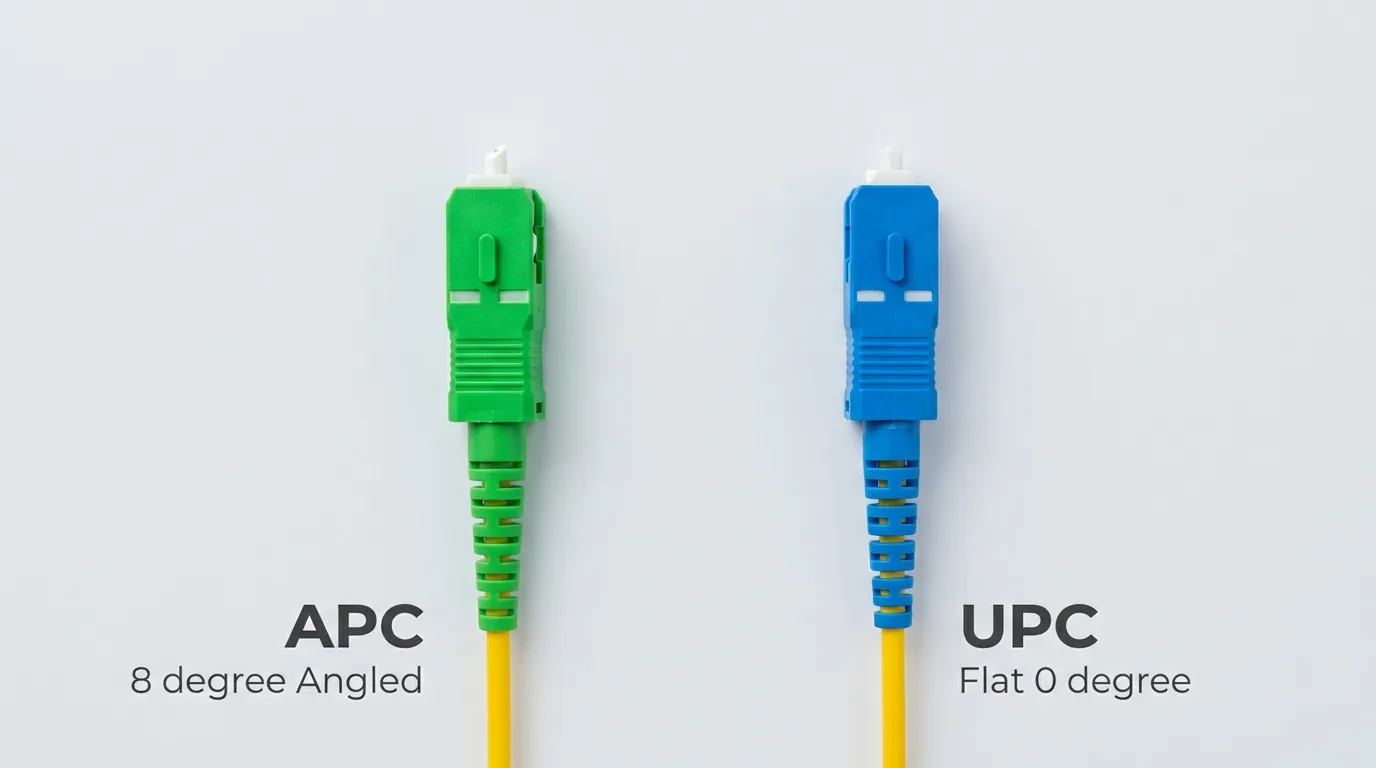
APC vs UPC fiber connectors compared: green angled vs blue flat polish, real return-loss numbers, and when to choose each for FTTH, PON and data centers.
Read article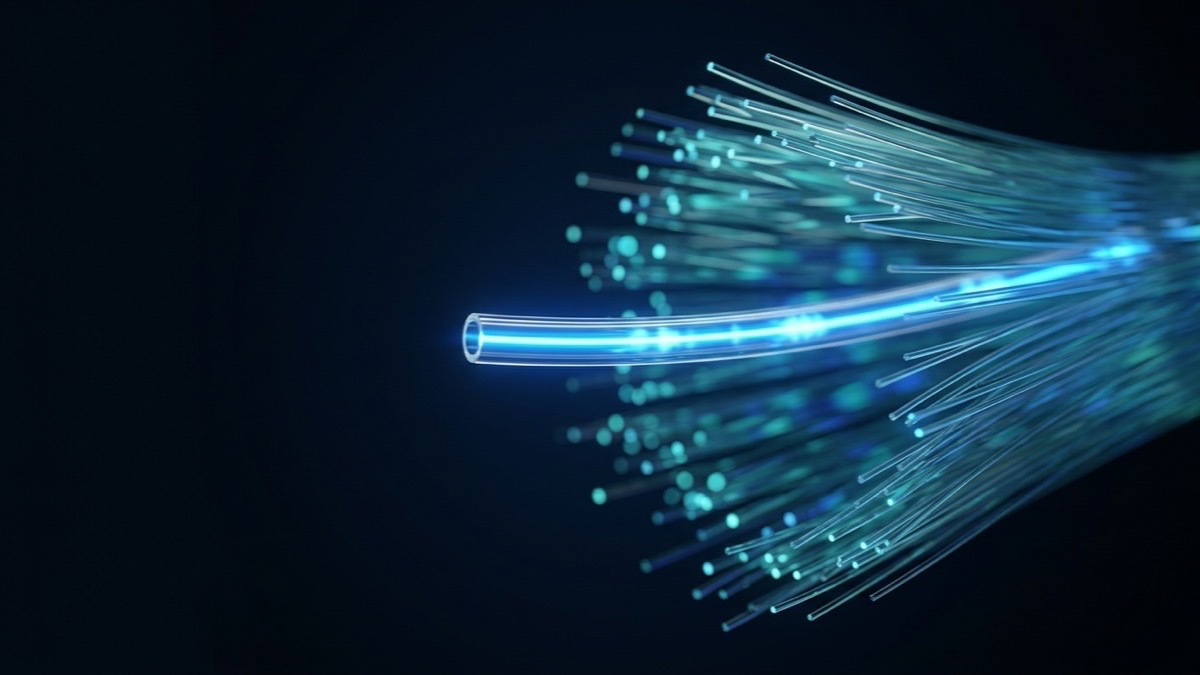
Fiber optics sends data as pulses of light through hair-thin glass. Learn how it works, what's inside the cable, its types, and where it's used in this guide.
Read article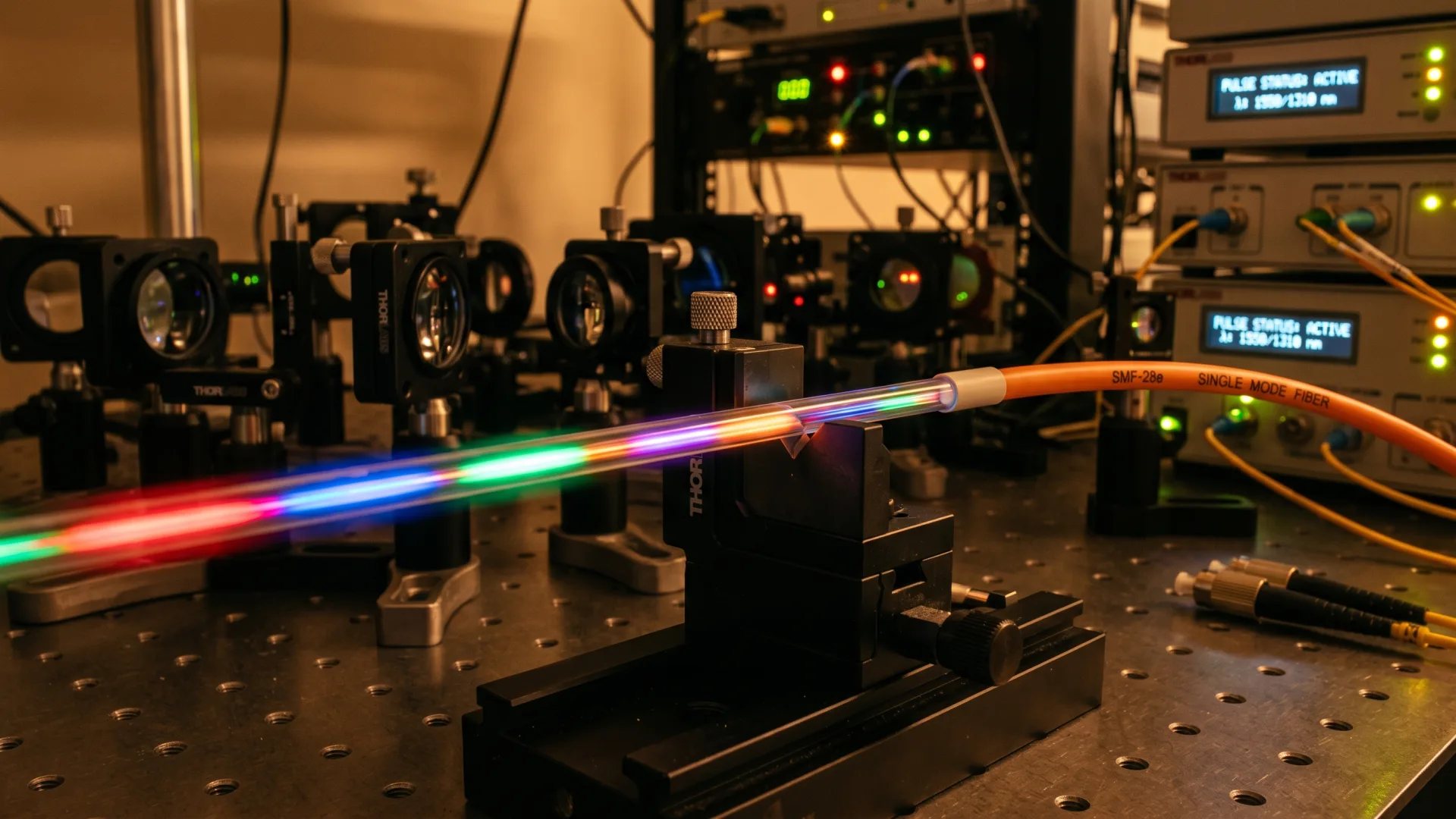
The physics behind high-speed fiber — refractive index profiles, attenuation, chromatic and polarization-mode dispersion, nonlinear effects — that decide whether a fiber runs at 10G or 400G.
Read article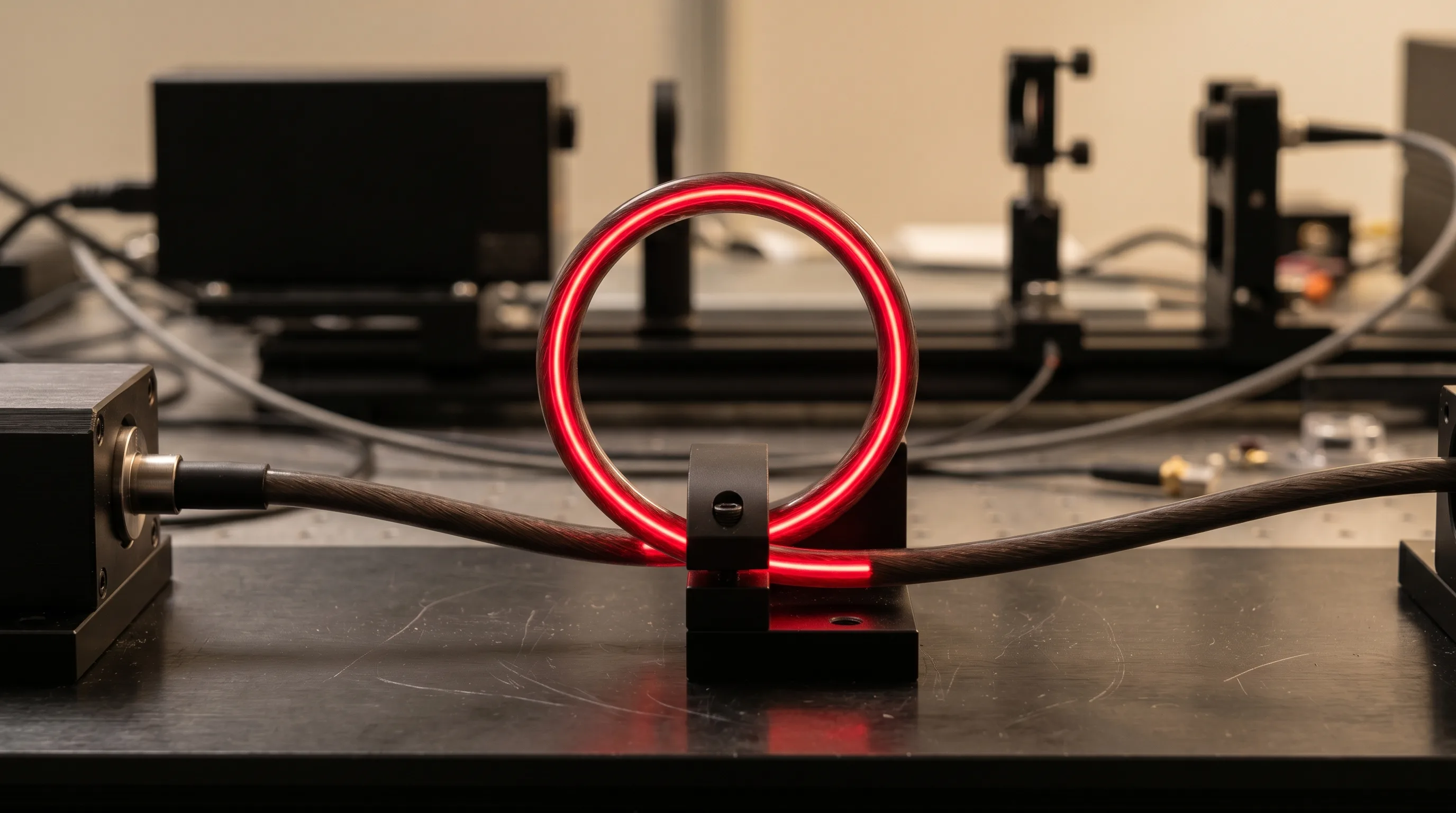
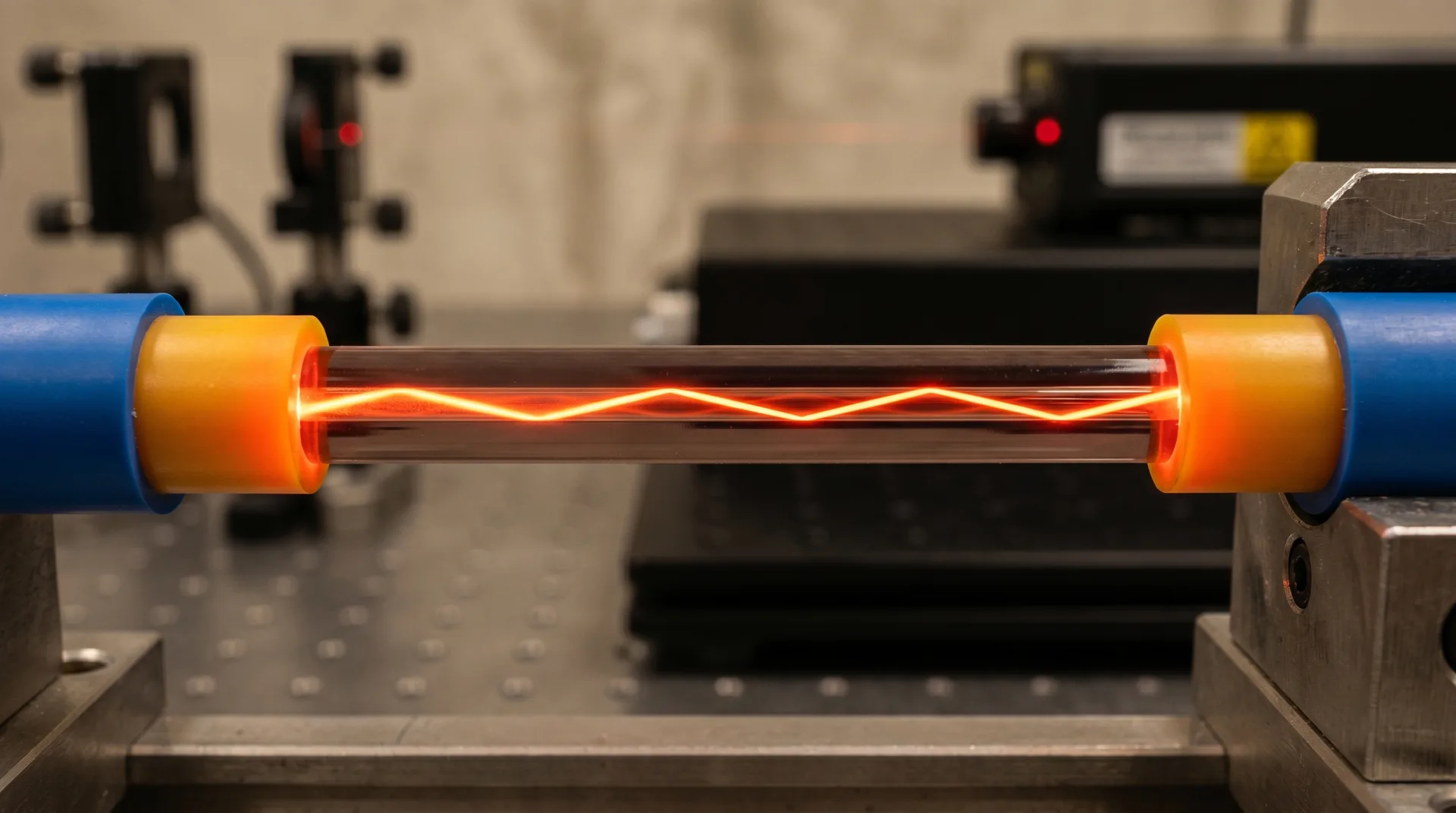
Glass is transparent, yet light stays trapped inside an optical fiber for hundreds of kilometers. The answer is total internal reflection — a whisper of refractive-index difference that turns a thread of silica into a lossless waveguide.
Read article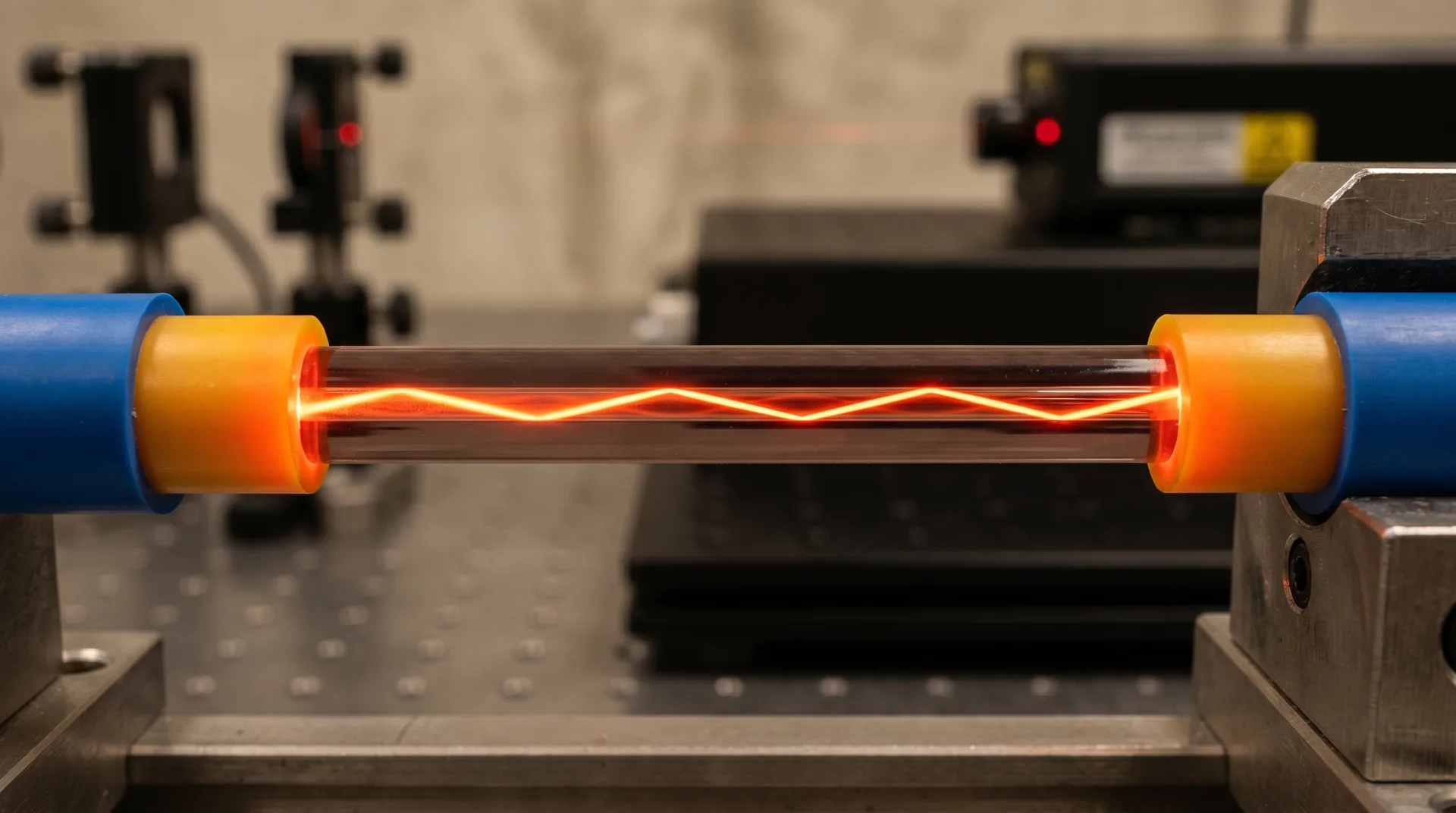
Light stays in the core through total internal reflection, and travels far because silica is engineered to the edge of physics. A deep look at confinement and preservation.
Read article
How does common sand become a medium where light travels 100 km with less loss than through a windowpane? Trace the full manufacturing arc — from silica purification and preform deposition to drawing, coating, and testing.
Read article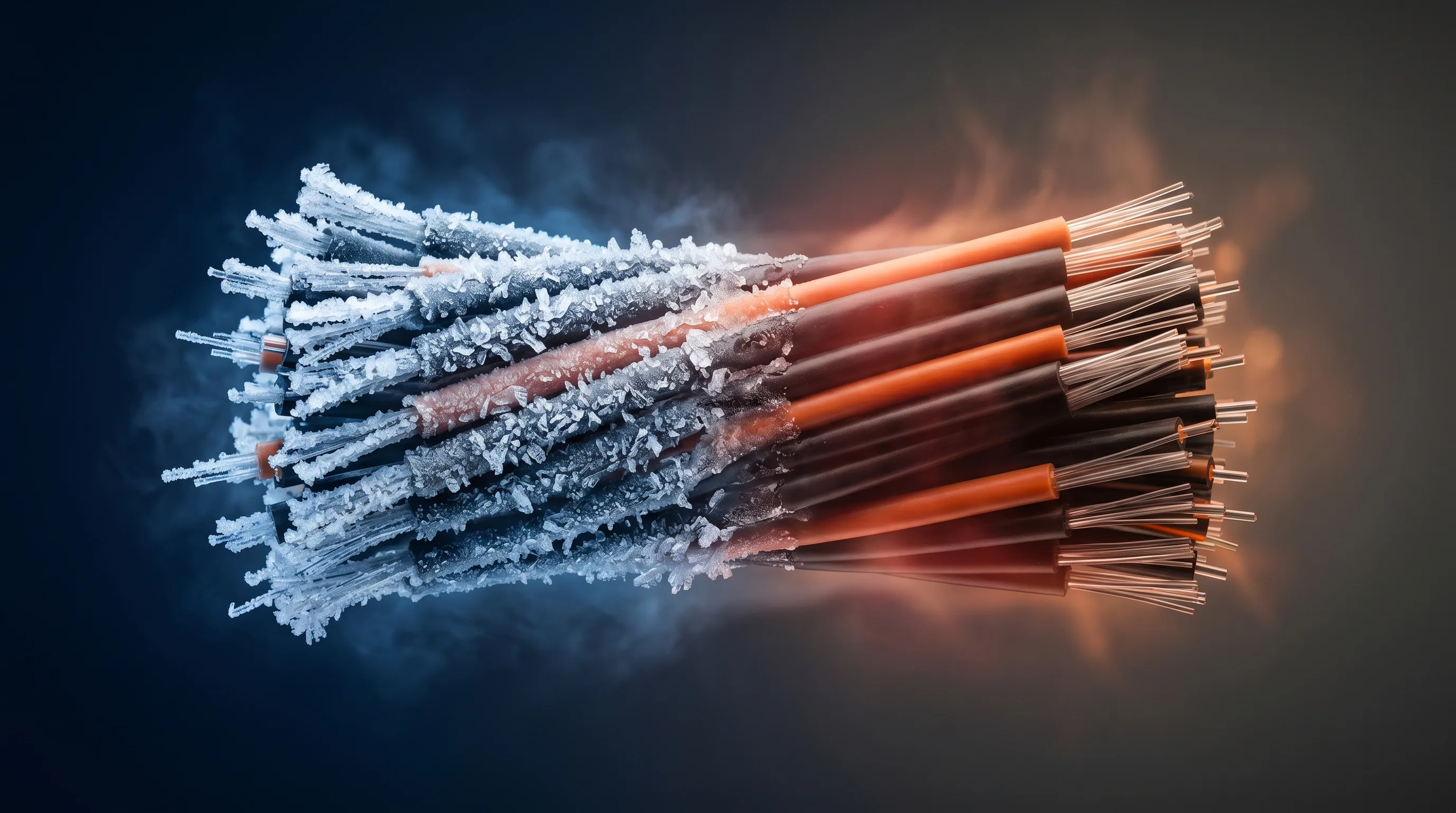
Fiber is remarkably resilient, but temperature changes do impact its performance — through the thermo-optic effect, thermal expansion, microbending, and connector drift. Here is the engineering view.
Read article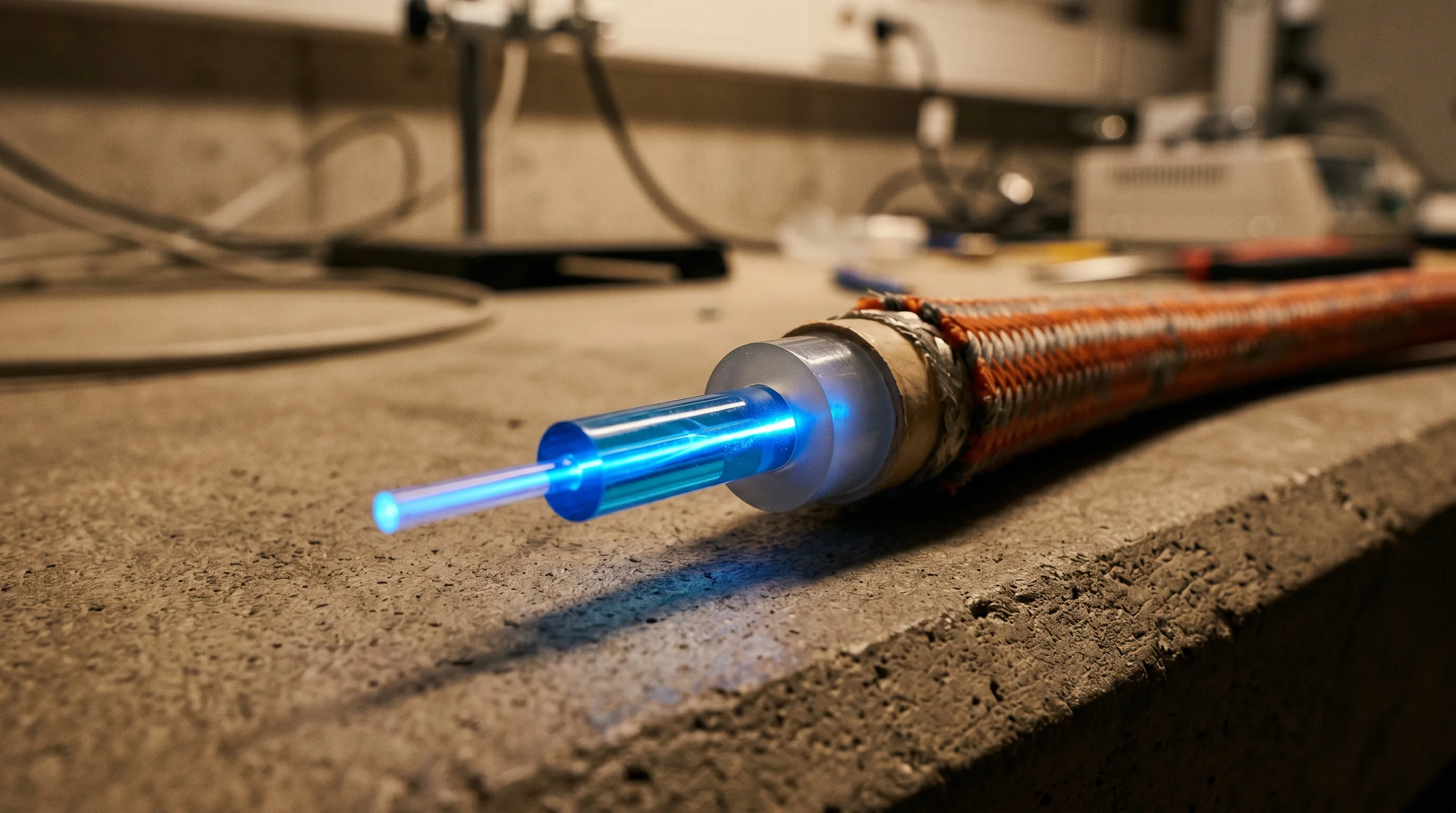
Light in a fiber can be disrupted — not by radio waves, but by bending, material impurities, connectors, temperature, nonlinear effects, and aging. A deep look at what really threatens optical signal integrity.
Read article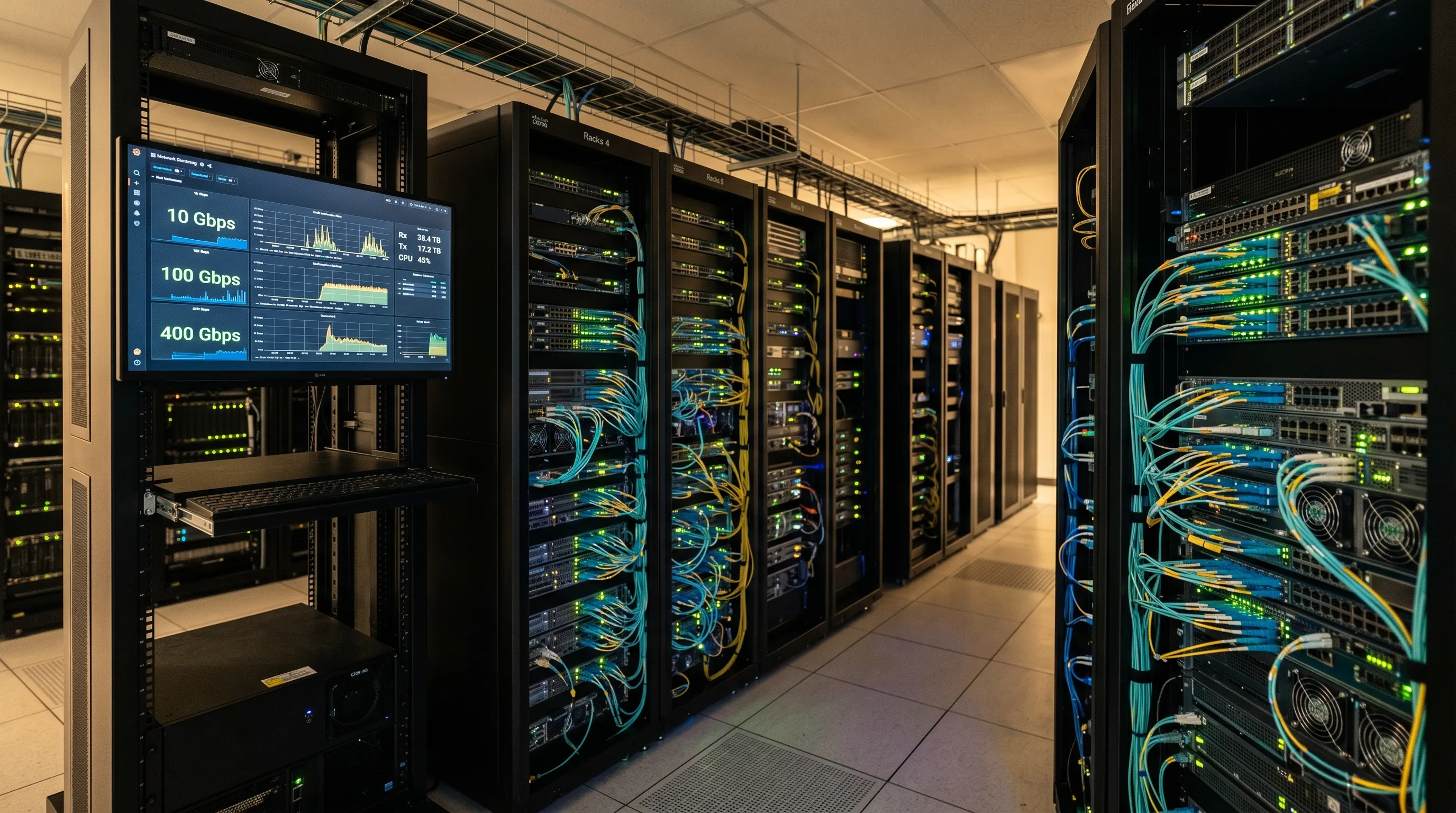
From modulation and WDM to Shannon limits and DSP — a deep dive into what really sets the fiber optic data rate and how close we are to the physical ceiling of light.
Read article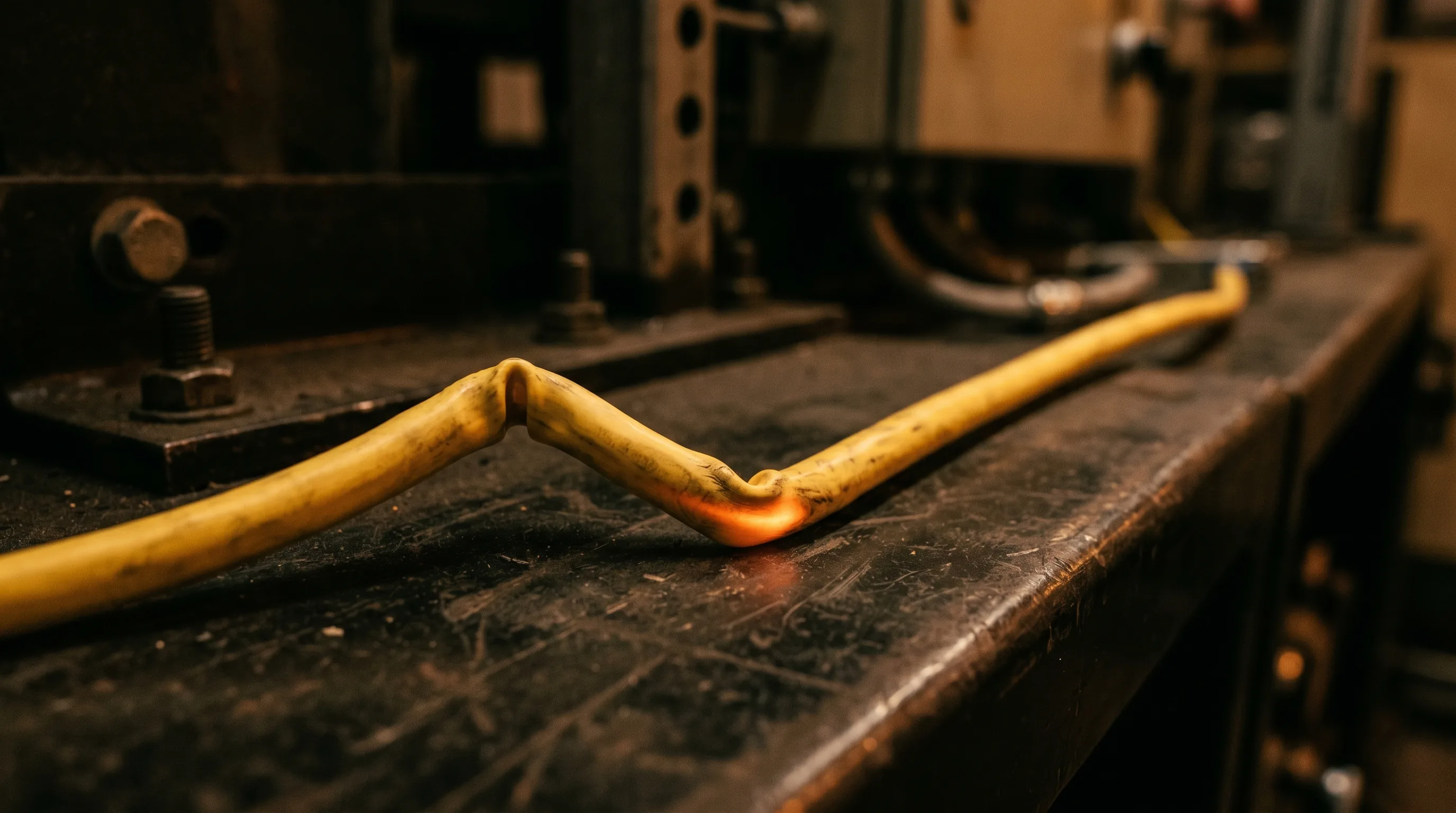
Fiber optics are immune to EMI and RFI, but not invincible. Learn what actually disrupts a fiber link — bends, dust, breaks, and edge-device failures.
Read article
Trace the history of low-loss optical fiber — from Colladon's 1841 light-in-water demo and Tyndall's total internal reflection to Charles Kao's 1966 insight and Corning's 1970 fiber.
Read article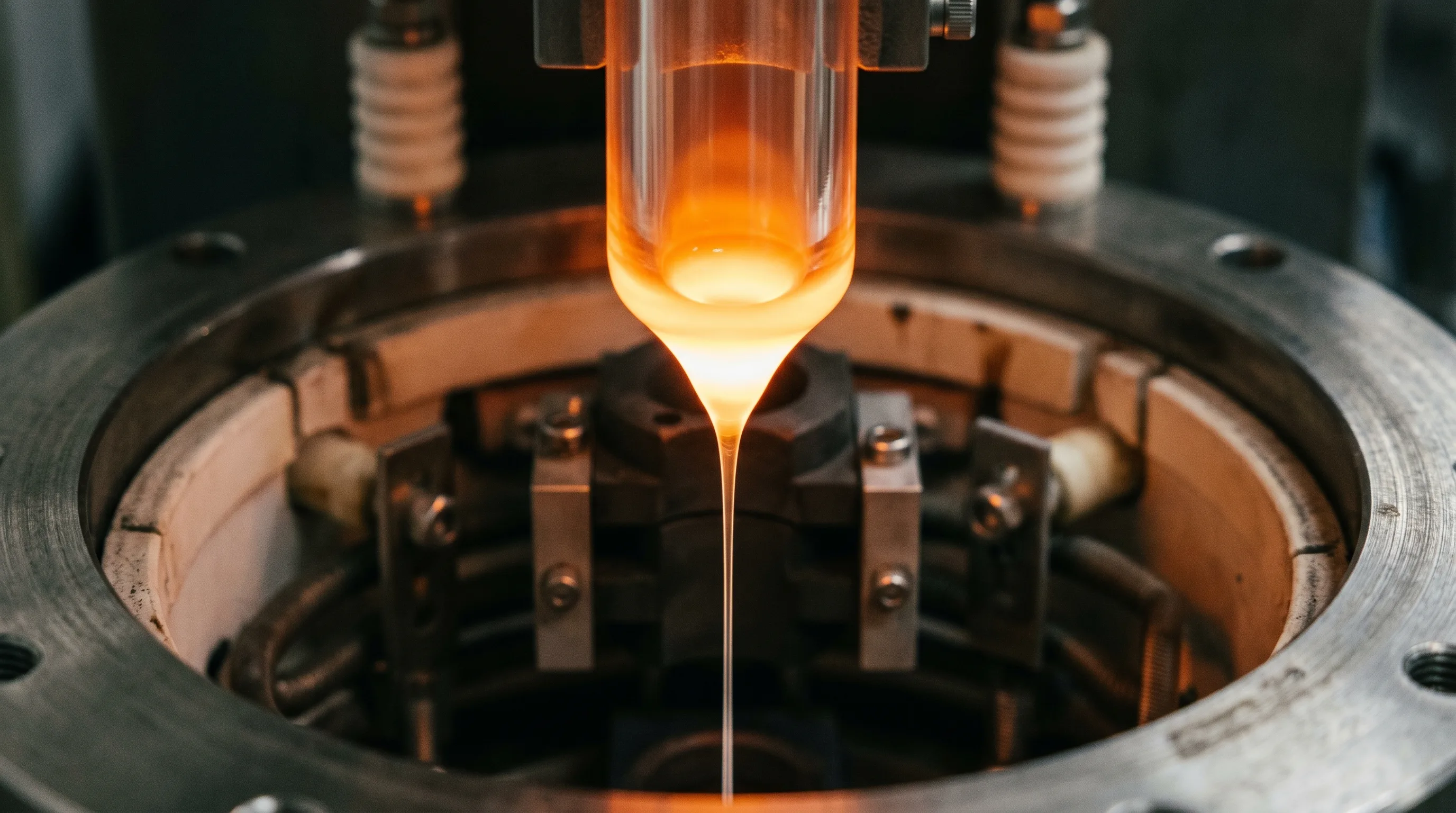
The silica, dopants and trace impurities behind high-performance fiber-optic glass — why SiO₂, GeO₂, P₂O₅, B₂O₃ and fluorine matter, and how CVD/MCVD/VAD/OVD turn them into ultra-pure preforms.
Read article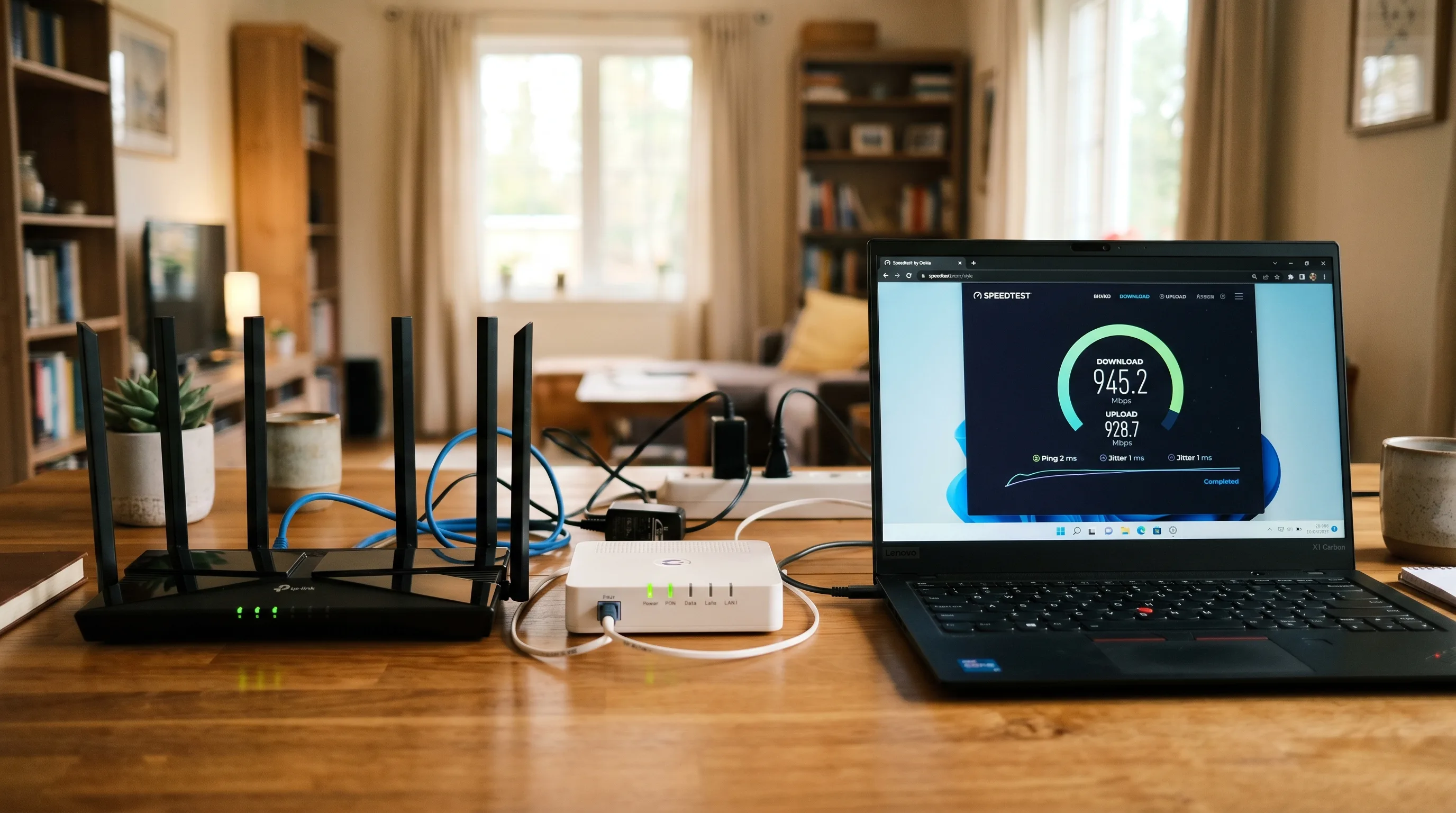
Beginner-friendly explainer of what influences fiber optic speed — core size, cladding, jacket, OM grade, connector polish, and splice type — with a shopping checklist.
Read article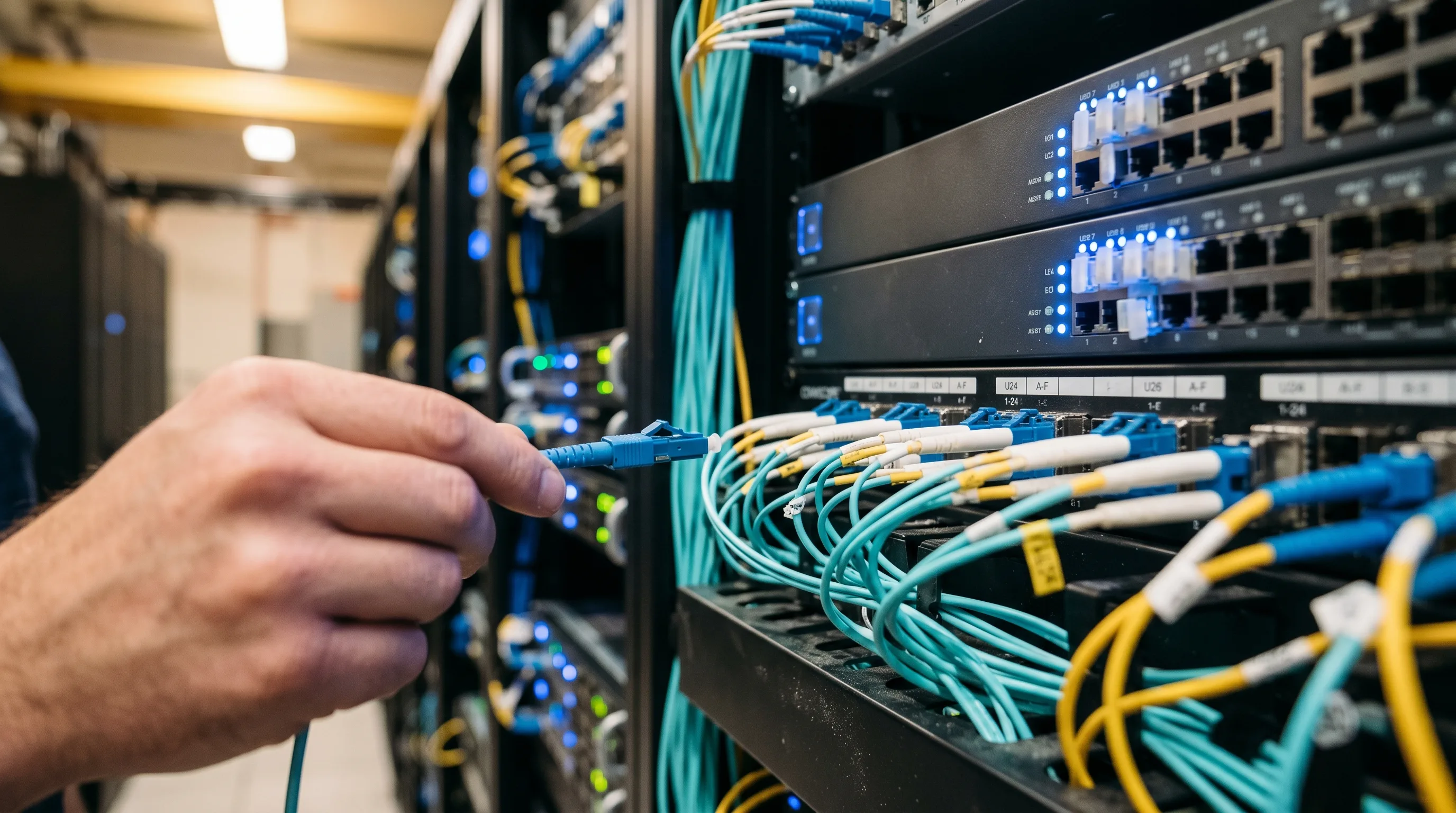
For technical buyers specifying fiber-optic systems: 11 factors — from SMF vs MMF and attenuation to GPON, DWDM, connector loss, transceivers, and protocol overhead — that decide real throughput.
Read article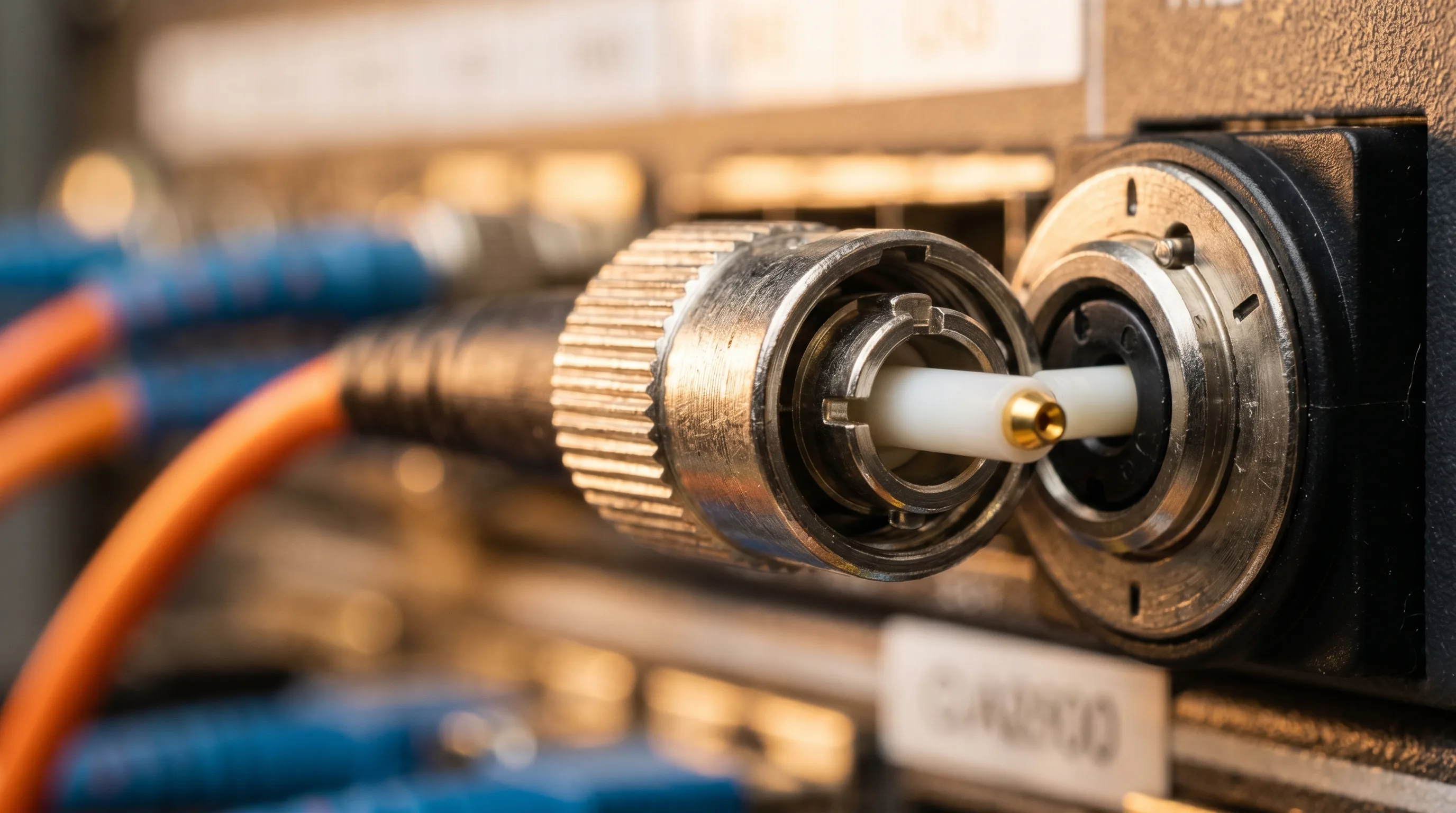
The ST connector uses a 2.5 mm ceramic ferrule and bayonet twist-lock coupling for reliable fiber optic connectivity. Learn its specs, performance, applications, and how it compares to MT-RJ and LC.
Read article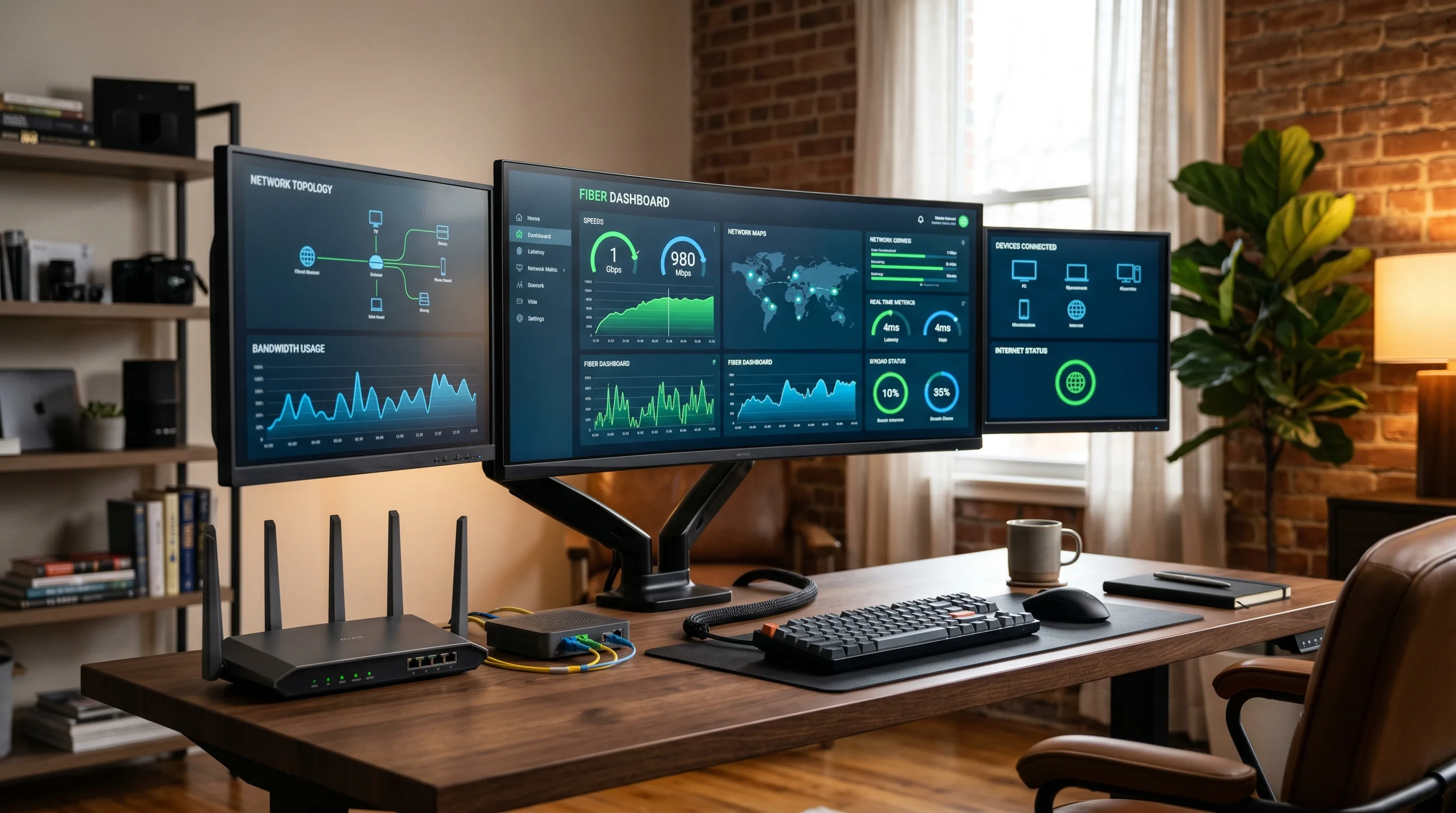
A practical guide to choosing the best fiber optic speed in 2025 — tiers from 100 Mbps to 10 Gbps mapped to real home and business workloads, plus the hardware you need.
Read article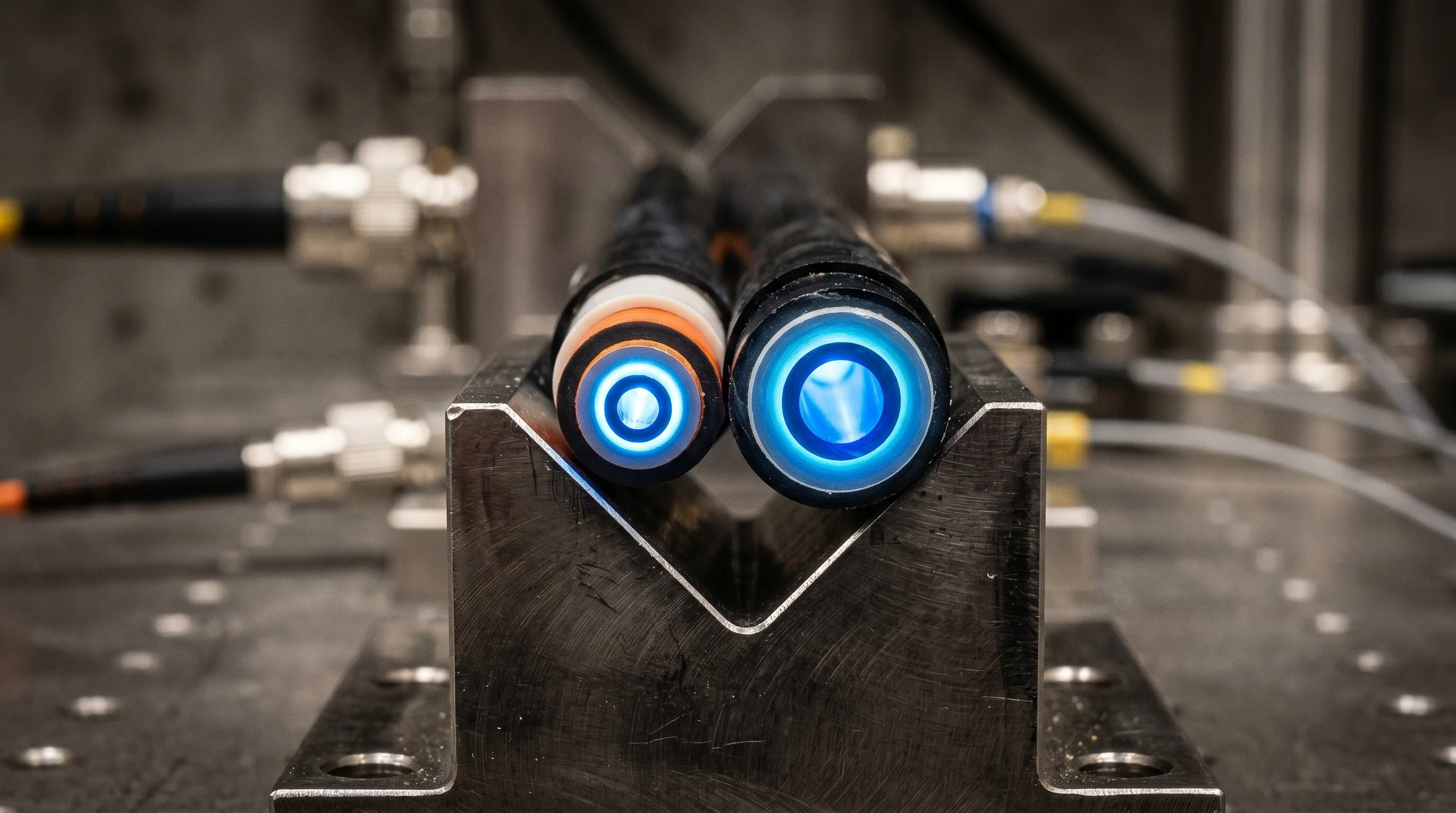
50/125 vs 62.5/125 fiber comes down to core diameter, bandwidth, and future-proofing. Go 50/125 for new builds; keep 62.5/125 only for legacy OM1 gear.
Read article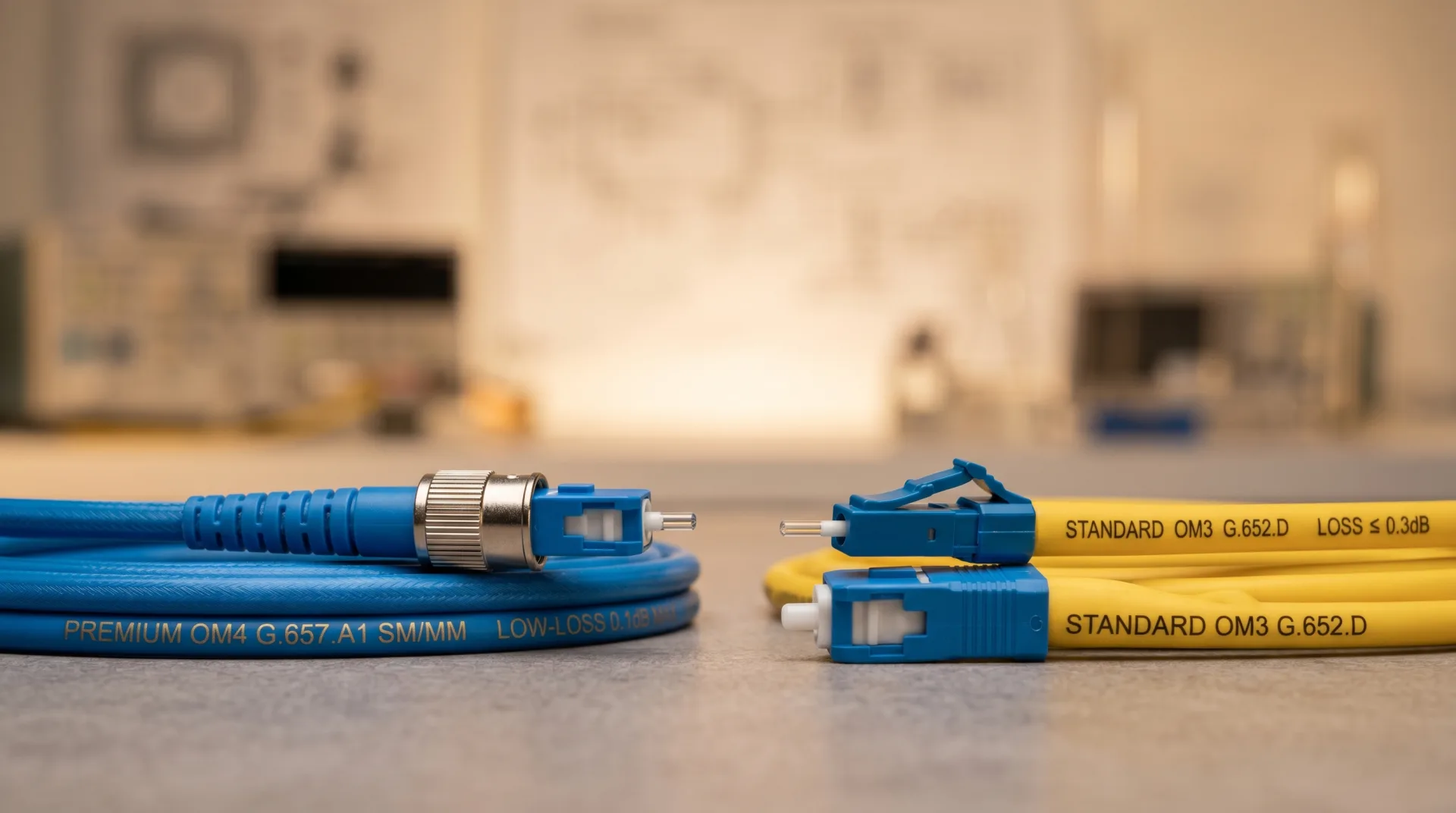
Low-loss optical fiber vs standard: how core-cladding design, material purity, and 1,310 / 1,550 nm wavelength performance set them apart for long-haul telecom, data center, and FTTH networks.
Read article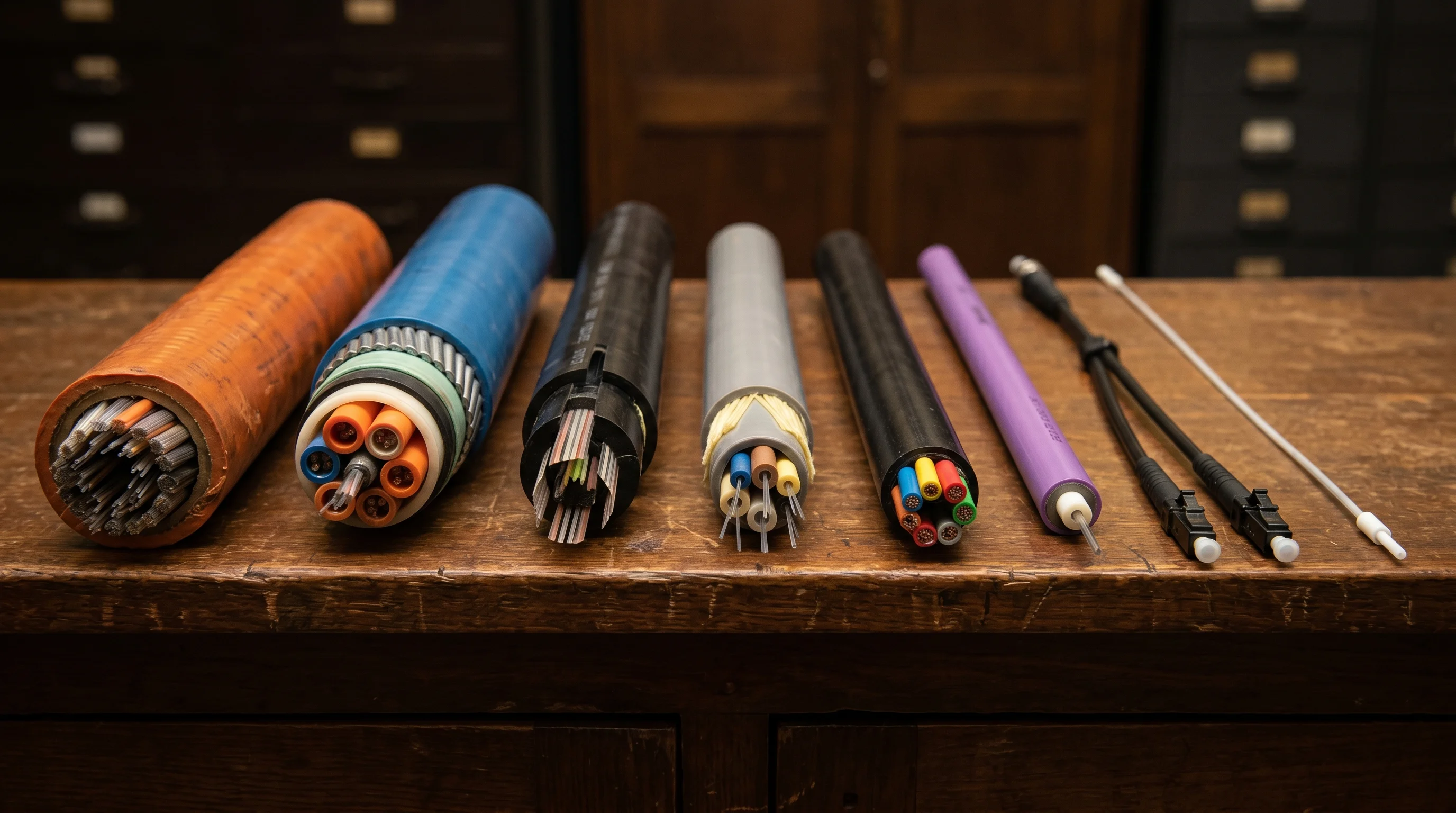
Trace the evolution of low-loss optical fiber from Colladon and Tyndall to Charles Kao's 1966 theory, Corning's 1970 breakthrough, and today's 0.16 dB/km submarine cables.
Read article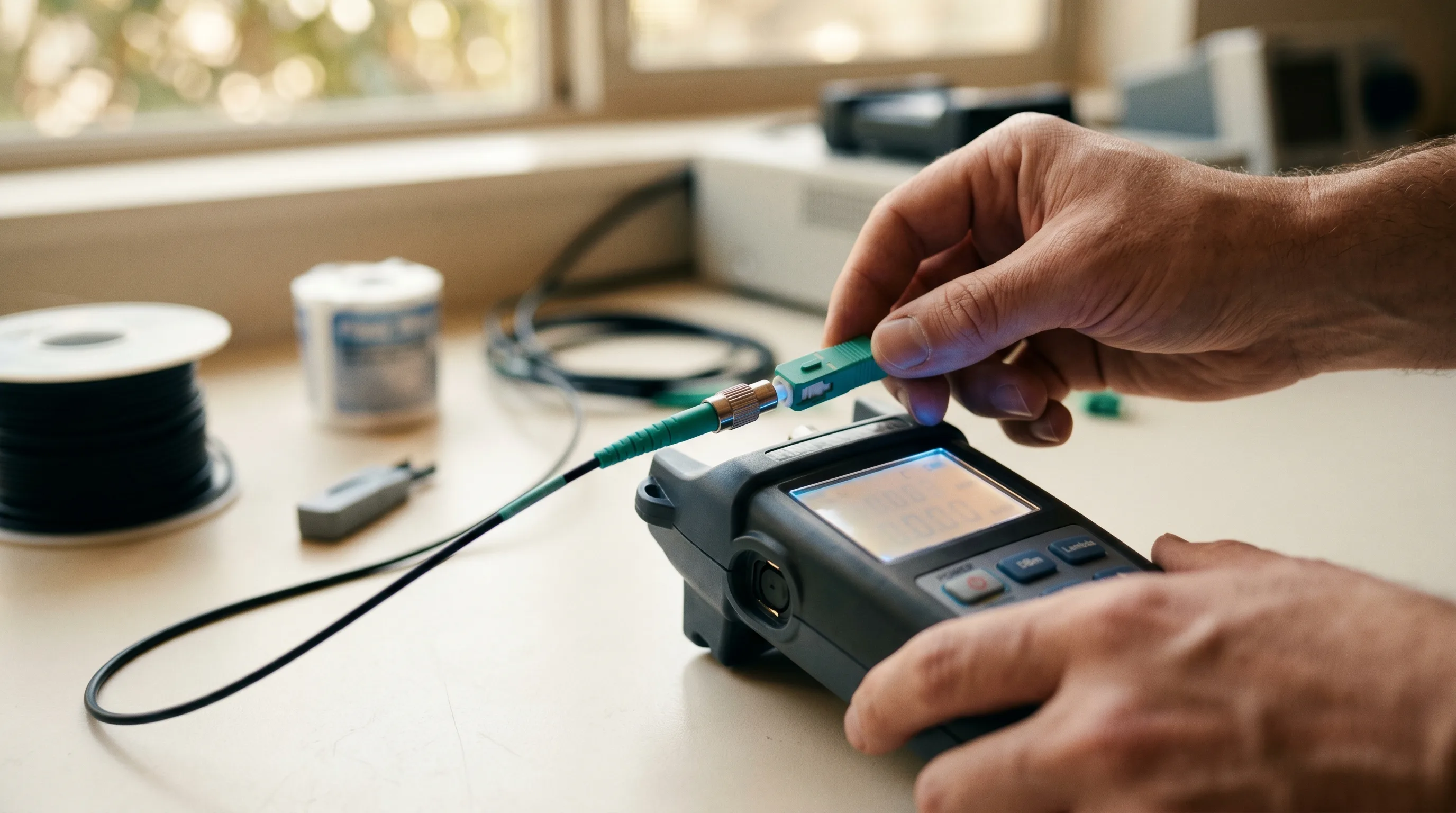
Acceptable fiber optic dB loss depends on fiber type and wavelength — typically ~3.5 dB/km at 850 nm for multimode and ~0.3 dB/km at 1550 nm for single-mode.
Read article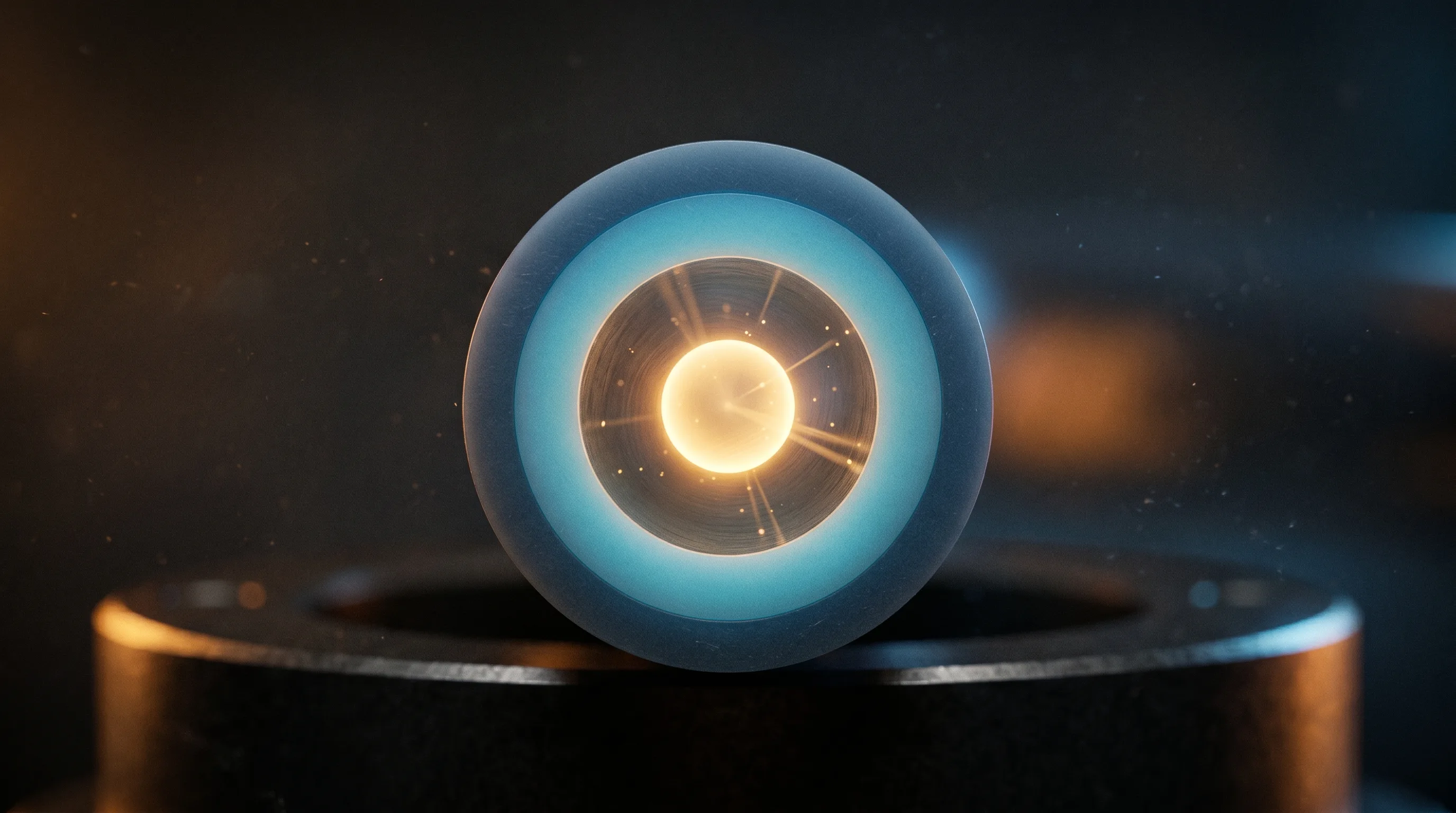
The majority of loss in fiber optics comes from absorption, scattering, bending loss, and dispersion — understanding each cause helps you build lower-loss, more reliable networks.
Read article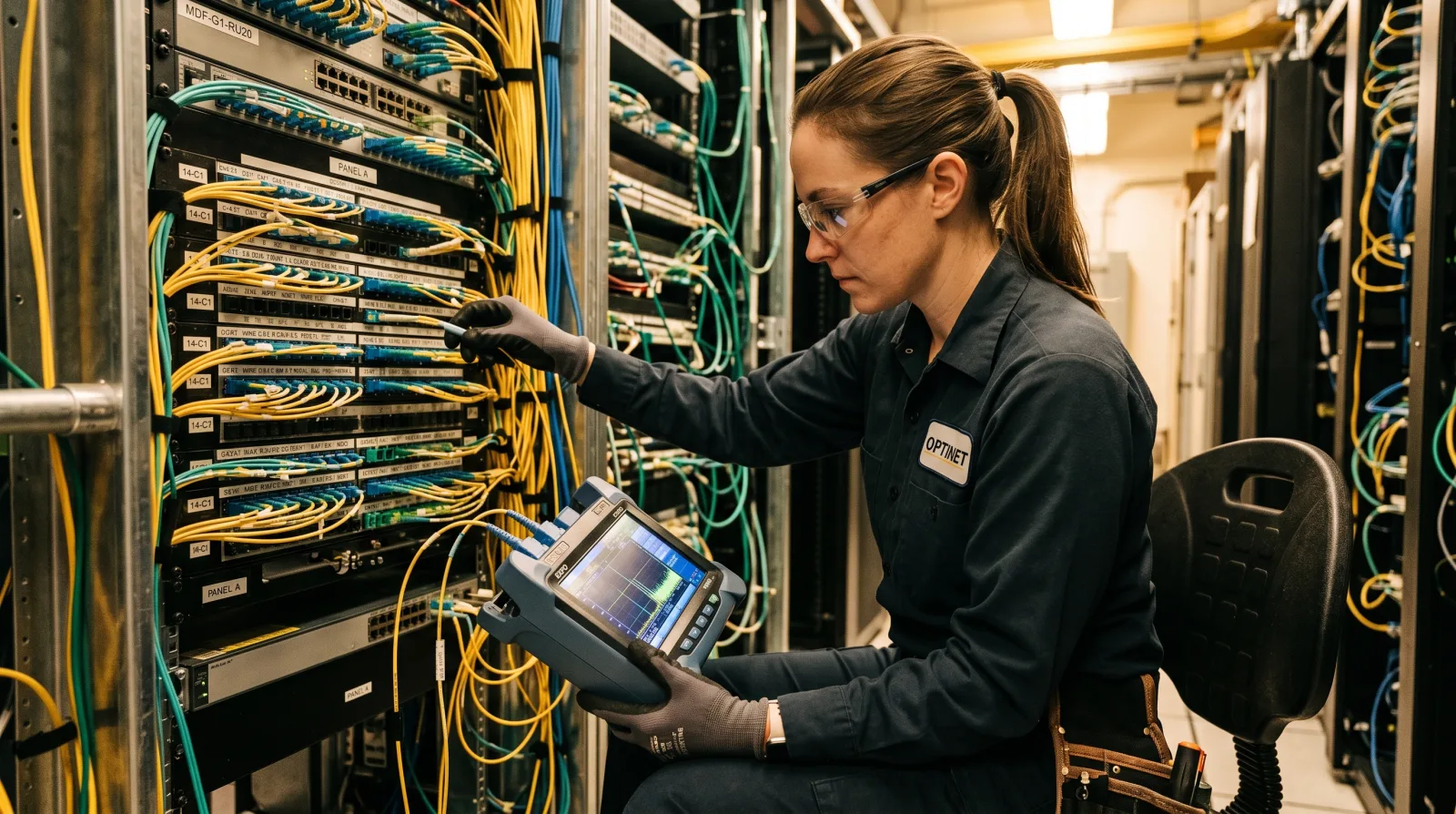
A technician's guide to fiber optic troubleshooting: diagnose signal loss, connector, splice, bend, and return-loss issues and fix each with OTDR, power meter, and VFL.
Read article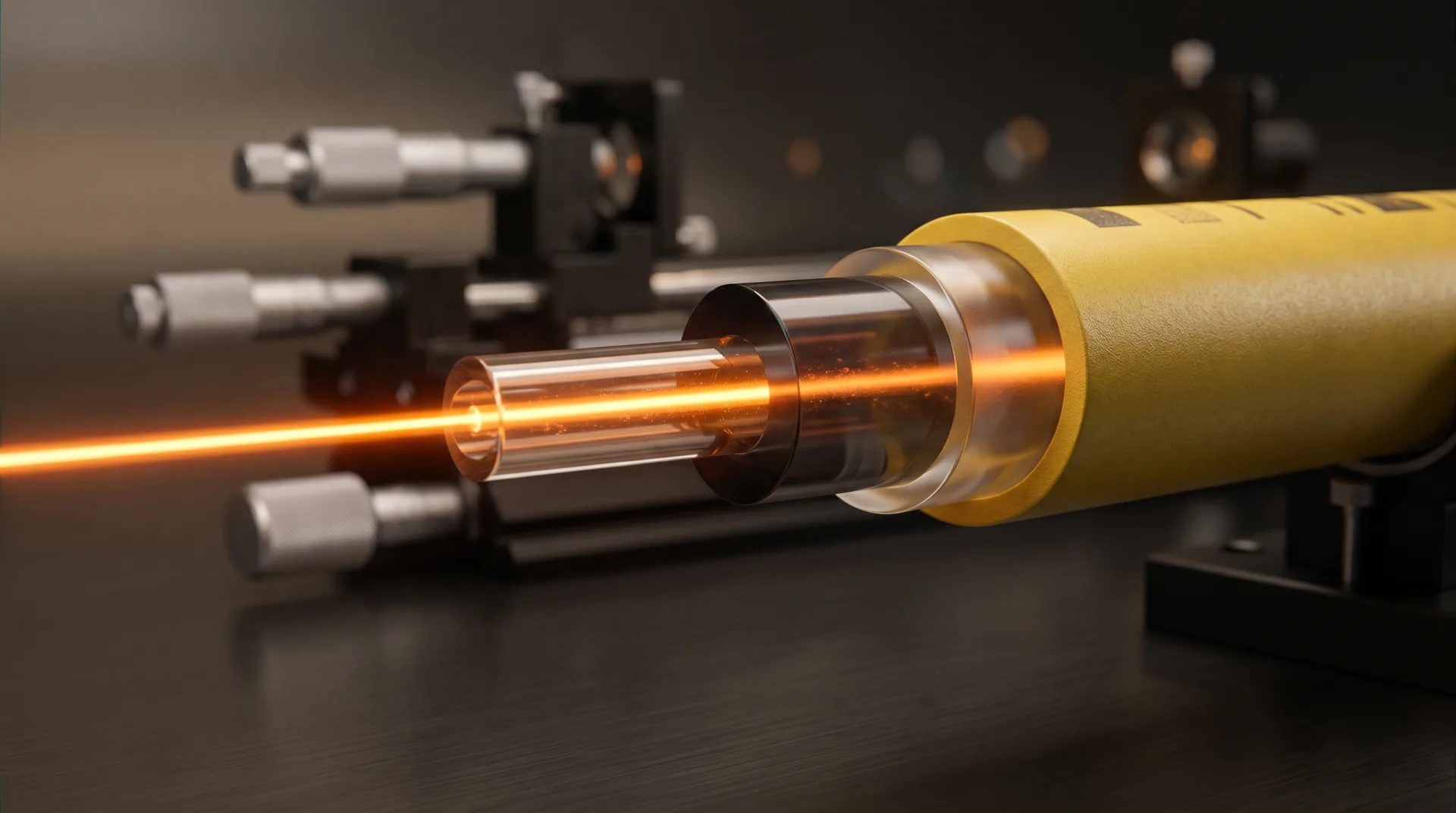
Low-loss optical fiber works by guiding light through an ultra-pure silica core via total internal reflection. Here's how its materials, refractive index design, and coatings keep attenuation as low as 0.16–0.2 dB/km at 1,550 nm.
Read article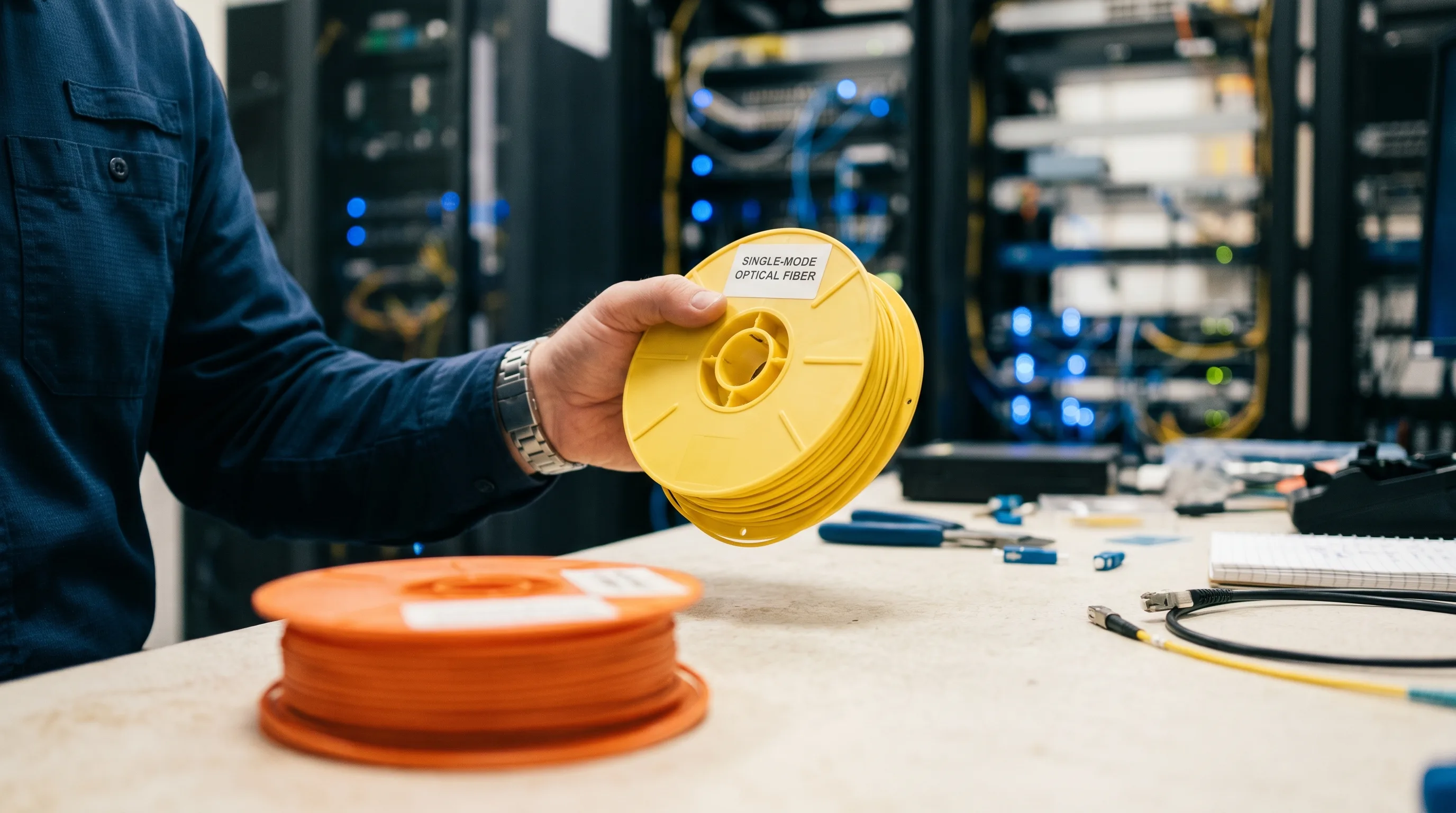
Low-loss optical fiber minimizes signal attenuation over long distances. Learn how to choose the right type — single-mode vs. multi-mode, key selection criteria, and maintenance best practices.
Read article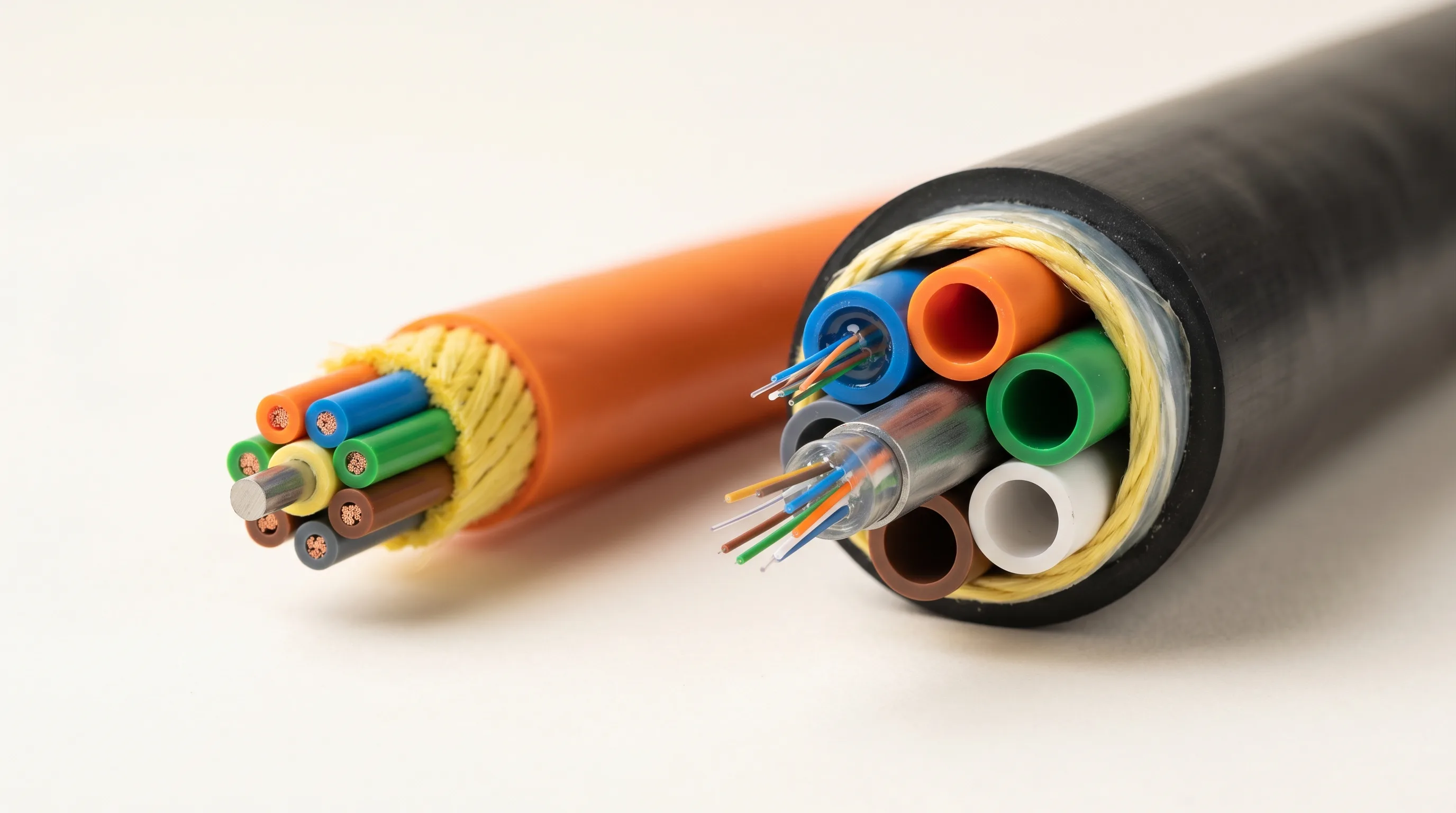
Tight-buffered cables use 900 micron buffered fibers for indoor runs; loose-tube cables float 250 micron fibers in gel-filled buffer tubes for outdoor plant. Compare construction, cost, and application.
Read article
From Newton's prisms and Maxwell's equations to Corning's 1970 low-loss breakthrough and today's EDFAs and WDM — trace the milestones that built modern fiber optics.
Read article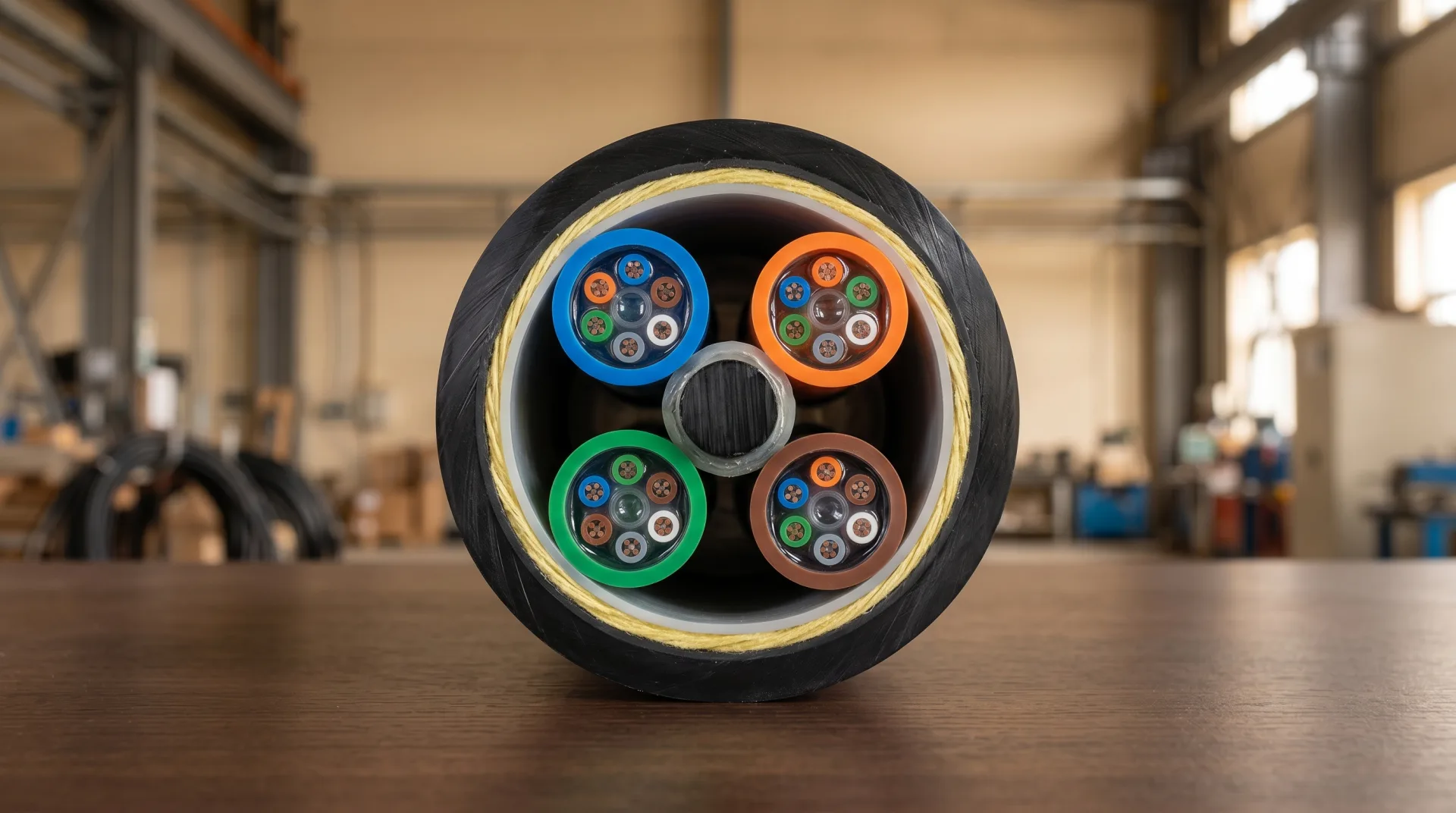
A 24-strand single-mode fiber cable packs 24 independent G.652-compliant fibers into one sheath, delivering low attenuation, high bandwidth, and long-distance reach for telecom backbone, data centers, and enterprise networks.
Read article