What Is the Difference Between FTTH and FTTP?

FTTH vs. FTTP: What's the Difference and Why It Matters?
Fiber optic technology is becoming the backbone of modern internet, delivering faster speeds and more reliable connections than ever before. However, you may have encountered terms like FTTH and FTTP and found yourself wondering what they actually mean. Let's take a deeper look at the difference between FTTH and FTTP, their uses, and why it matters for both residential and business needs. If you want a broader view of the whole access-network family, see our companion guide on the difference between FTTP, FTTH, FTTB and FTTD.
What is FTTH?
FTTH, or Fiber to the Home, is a type of fiber optic network where the fiber optic cables run directly from the internet service provider (ISP) all the way to your home. It's essentially the most direct and efficient way to get fiber optic broadband into a residential setting.
How FTTH Works
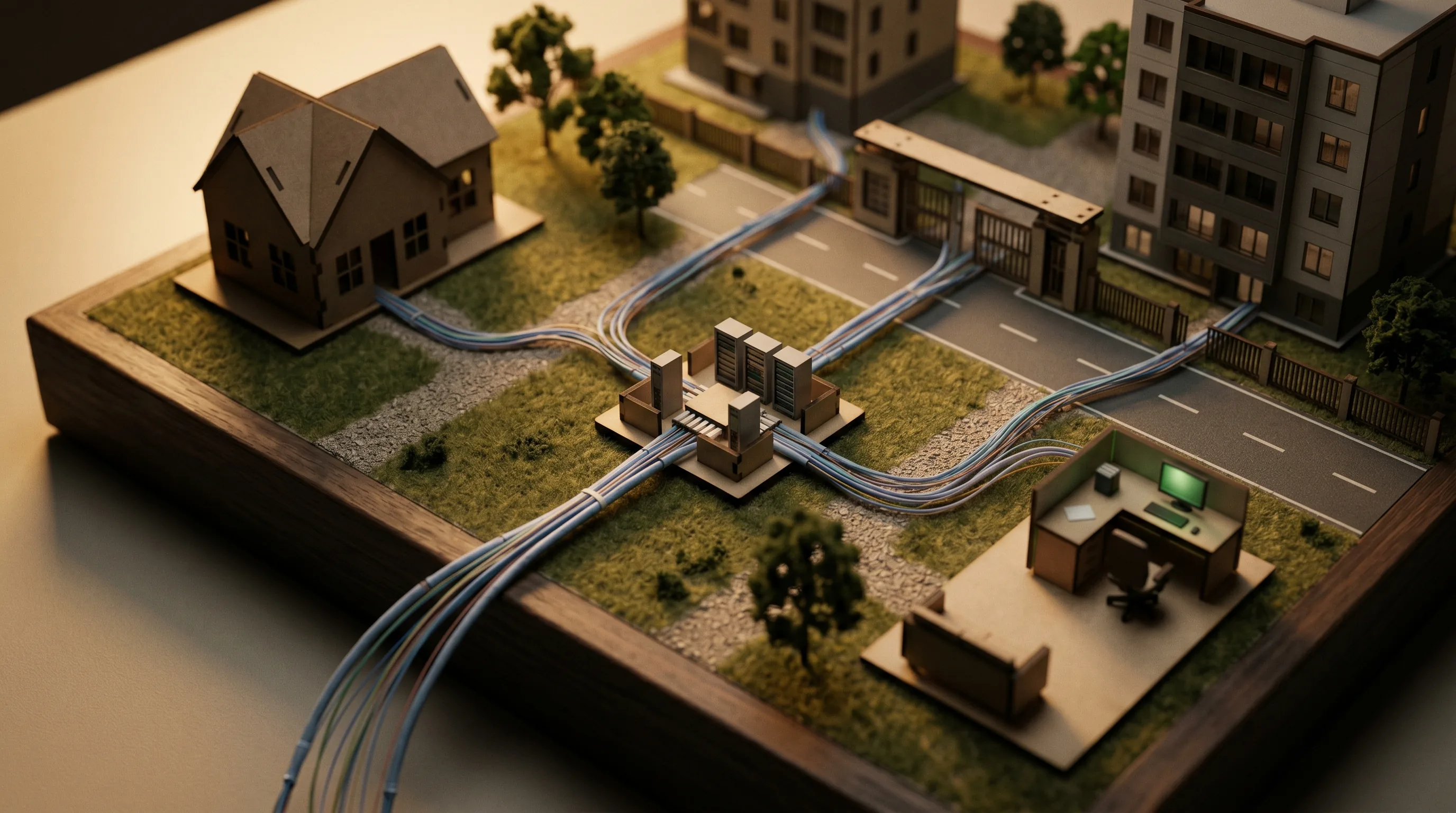
- The ISP installs fiber optic cables into a neighborhood or area and runs them directly to each individual home.
- Once installed, the fiber optic cable is connected directly to the modem or gateway inside your home.
- This connection allows for ultra-fast speeds, greater bandwidth, and lower latency, which is crucial for high-demand applications like 4K streaming, online gaming, and video conferencing.
Why It's Great for Homes
- Superior Internet Speeds: Fiber optic cables are capable of speeds ranging from 100 Mbps to 10 Gbps, which makes FTTH perfect for households that consume large amounts of data or rely on internet access for work and entertainment.
- Future-Proof Technology: Unlike copper cables, which can degrade over time, fiber optic cables can handle higher bandwidth, meaning FTTH connections are more future-proof and won't need frequent upgrades.
- Low Latency: FTTH offers extremely low latency (minimal delay), which makes it ideal for real-time services like online gaming, voice calls, and video conferences.
- Reliability: Since fiber optic cables are less susceptible to interference from weather, electrical signals, or even copper's susceptibility to corrosion, FTTH provides a reliable internet connection, even in challenging conditions.
Example Scenario: Imagine a family of four — mom and dad working from home, kids attending school virtually, and everyone streaming movies and playing online games. Without FTTH, the internet could easily slow down with so many simultaneous activities. But with FTTH, each user can seamlessly do their work or entertainment without interruptions.
What is FTTP?
FTTP stands for Fiber to the Premises, and it's a more general term that includes both FTTH and other fiber optic connections to any type of building or premises. Unlike FTTH, which is specifically for individual homes, FTTP can also refer to fiber optic cables that run to businesses, apartment buildings, or campuses.
How FTTP Works
- With FTTP, fiber optic cables can either run directly to a home (FTTH) or to a business, apartment complex, or multi-use building.
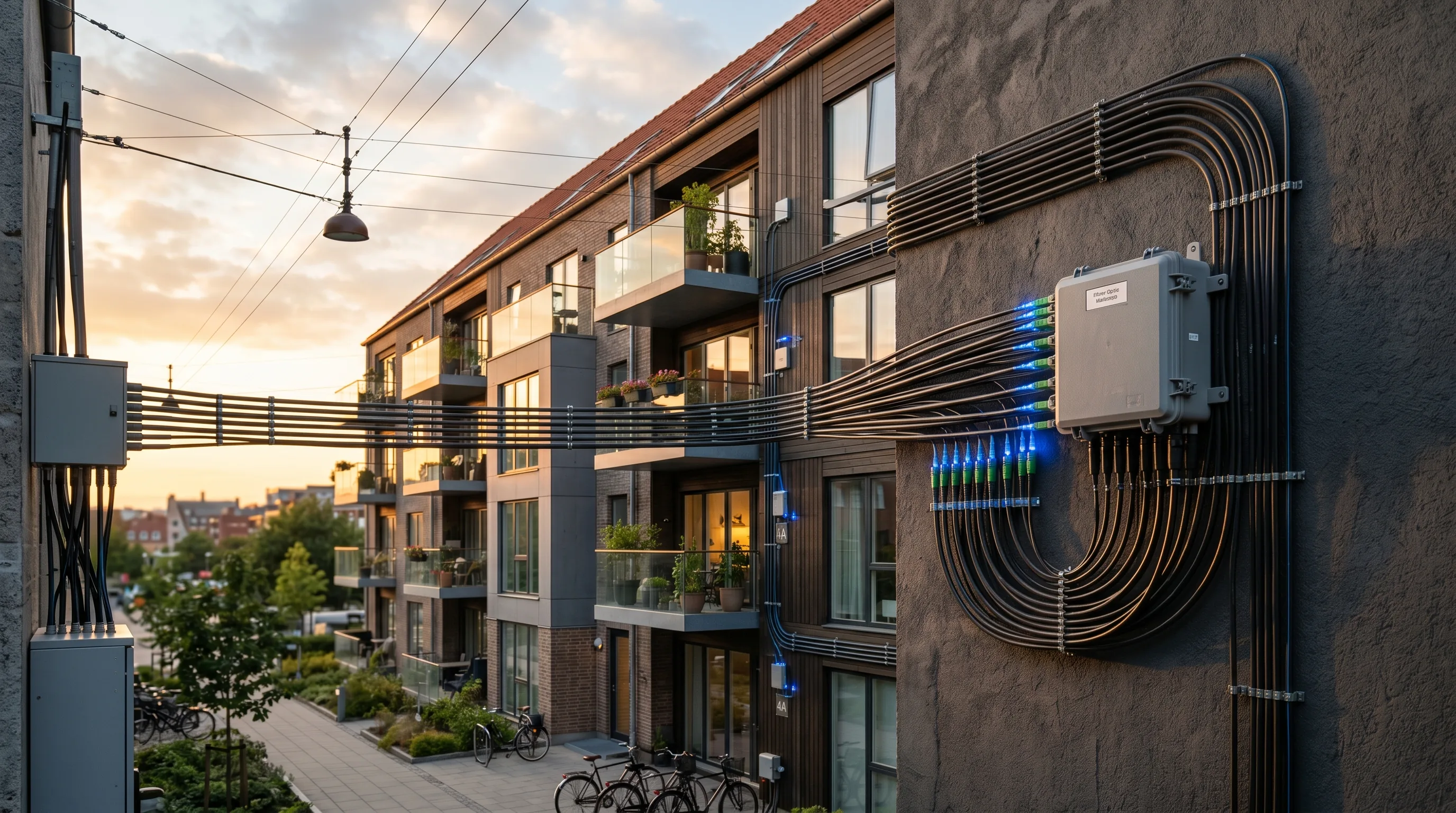
- This setup ensures that multiple users in commercial buildings or apartments benefit from high-speed internet.
- FTTP may also include multi-point connections where one central fiber point supplies connectivity to several premises (e.g., office buildings or residential complexes).
Why FTTP Is More Flexible
- Ideal for Businesses and Apartments: FTTP can accommodate not just residential needs but also the more complex demands of businesses, large office buildings, and multi-dwelling units (MDUs).
- Scalability: FTTP networks are typically more scalable, meaning that they can support larger infrastructures, such as a commercial building with hundreds of users.
- Customizable Network Solutions: For companies that require dedicated lines or higher levels of redundancy, FTTP offers a flexible and robust networking solution that can grow alongside the business.
Example Scenario: A company with multiple employees working in an office complex requires high-speed internet for their daily operations, including large data transfers, VoIP calls, and video conferencing. FTTP provides the capacity for multiple offices within the complex to share a fiber connection without sacrificing speed. Want to go one level deeper into building-wide fiber? Read our primer on what FTTB is and how it works.
Key Differences Between FTTH and FTTP
Though FTTH and FTTP share some similarities (both rely on fiber optic cables for internet connectivity), the primary difference lies in the scope and intended use. To make this clear, here's a deeper comparison:
Feature | FTTH | FTTP |
|---|---|---|
Definition | Fiber optic cables run directly to individual homes. | Fiber optic cables to any premises, including homes, offices, or commercial buildings. |
Primary Audience | Homeowners, small residential units. | Businesses, multi-dwelling units (MDUs), larger residential complexes. |
Scale | Designed for individual homes and neighborhoods. | Suited for larger-scale deployments, including businesses and apartment buildings. |
Installation Complexity | Easier to deploy, limited to homes. | More complex, often requires special design for larger networks. |
Cost | Generally more affordable due to smaller installation scale. | Can be more expensive due to the need for more extensive infrastructure. |
Use Cases | Residential applications (streaming, gaming, working from home). | Business applications (large offices, commercial spaces) and residential complexes. |
Why Do These Differences Matter?
Choosing between FTTH and FTTP often depends on the scale of the network and the specific needs of the users. Let's break it down further:
For Homeowners
- FTTH is ideal for individual homes where internet demands are primarily related to entertainment, remote work, and online learning.
- If you live in a suburban or rural area where fiber installation is available, FTTH will deliver the best speeds with minimal setup. Most last-mile residential runs use a FTTH drop cable engineered for aerial or duct installation directly to the home.
For Businesses
- FTTP is designed for more demanding environments, such as large office buildings, campuses, or commercial spaces.
- If your company relies heavily on cloud computing, video conferencing, or high-bandwidth applications, FTTP will provide a more reliable and scalable solution.
For Service Providers
- Offering both FTTH and FTTP enables ISPs to cater to a broader customer base, from individual homeowners to large enterprises.
- ISPs can better tailor their services based on the specific needs of residential or commercial customers, providing more specialized plans and infrastructure.
Benefits of Both FTTH and FTTP
While FTTH and FTTP serve different purposes, they share several advantages over older technologies like DSL or cable. Here's a closer look at the benefits:
- Faster Speeds: Fiber optic cables can transmit data at speeds up to 100 times faster than traditional copper cables. Whether you're streaming movies, downloading large files, or running cloud-based applications, FTTH and FTTP offer unmatched speeds.
- Low Latency: FTTH and FTTP provide much lower latency compared to other broadband technologies, which is essential for applications like online gaming, video conferencing, or VoIP calls.
- Greater Reliability: Unlike copper cables, fiber optics are less affected by weather conditions, electrical interference, or signal degradation over long distances. This makes FTTH and FTTP reliable options for maintaining a constant internet connection.
- Energy Efficiency: Fiber optic systems consume less energy, making them more environmentally friendly compared to older copper systems.
Global Adoption of FTTH and FTTP
Countries around the world are increasingly adopting FTTH and FTTP technologies to provide faster, more reliable internet to homes and businesses.
- South Korea: One of the global leaders in FTTH adoption, South Korea boasts nearly nationwide fiber optic connectivity, helping the country maintain its position as one of the top countries for internet speed.
- United States: While FTTP is still rolling out in various parts of the U.S., providers like Google Fiber and Verizon FiOS are making FTTP and FTTH available to millions of residents and businesses.
- Australia: The Australian National Broadband Network (NBN) is implementing FTTP as part of a nationwide push to deliver high-speed broadband to every home and business.
Which One is Right for You?
When it comes down to it, the choice between FTTH and FTTP depends on your specific needs:
- Residential Users: If you're a homeowner or live in a smaller apartment, FTTH is usually your best option for fast, reliable internet that meets the demands of everyday use.
- Business or Commercial Users: FTTP is a better choice for offices, campuses, or multi-dwelling units where multiple users will need high bandwidth simultaneously.
- Service Providers: Offering both FTTH and FTTP gives providers the flexibility to cater to different customer segments, ensuring they can offer the best possible solutions for both residential and commercial needs.
Whether you're a homeowner, a business owner, or an ISP, both technologies offer superior speeds, low latency, and a reliable internet experience. As the world continues to shift toward more connected, data-driven lifestyles, FTTH and FTTP will play a crucial role in shaping the future of connectivity. If you're planning a deployment, explore our FTTH / FTTx solution overview to see how TTI Fiber's cables, drop cables, splitters and distribution boxes fit into each layer of the network — or read our related guides on why FTTD is gaining popularity to see how fiber is now extending all the way to the desk.