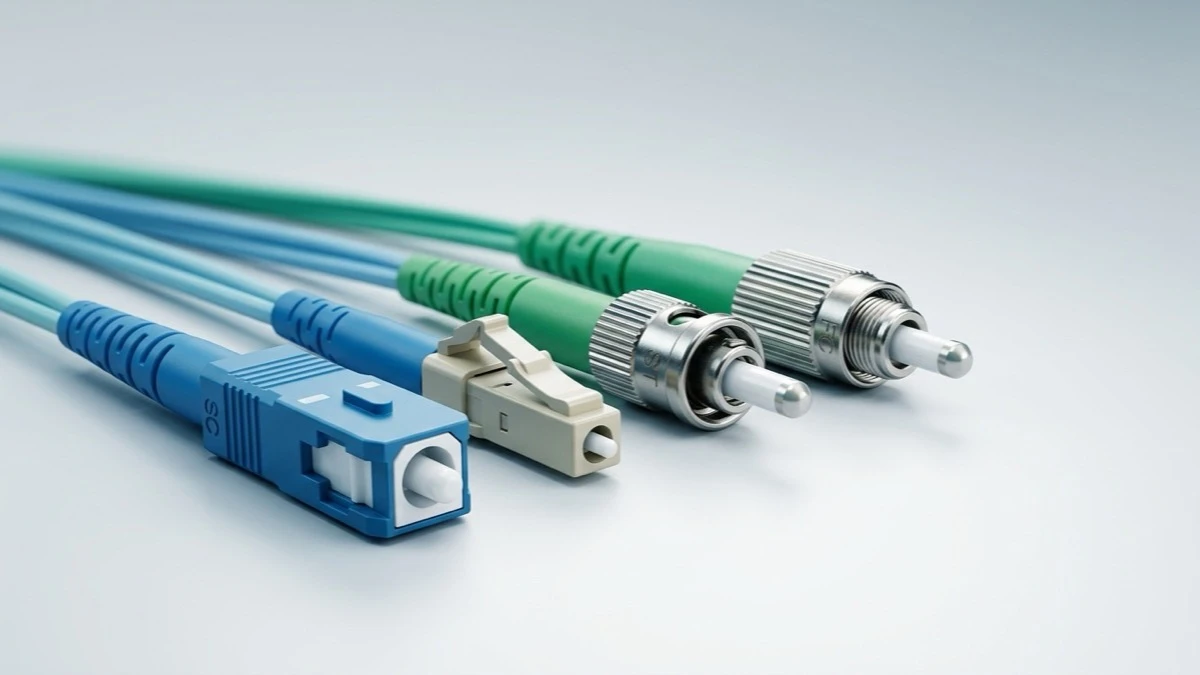
What Is ST Connector (Straight Tip Connector)?
ST Fiber Optic Connector Design, Performance, Applications, and Comparisons
Fiber optic communication systems rely heavily on precision-engineered connectors to ensure seamless data transmission across networks. Among these, the Straight Tip (ST) connector holds historical significance as one of the earliest standardized fiber connectors. Despite the emergence of newer, higher-density alternatives like LC and MPO, the ST connector remains relevant in many legacy systems and industrial environments due to its robust mechanical design, ease of field termination, and reliable performance.
This comprehensive article explores the design principles, technical specifications, operational characteristics, real-world applications, and comparative advantages and disadvantages of the ST fiber optic connector. We will also compare it with modern connectors such as MT-RJ and LC. For the broader connector product family (LC, SC, ST, FC, MT-RJ and hybrids), see TTI Fiber's fiber optic connector product page.
What Is ST Connector (Straight Tip Connector)?
The ST connector, or Straight Tip connector, was developed by AT&T in the early 1980s and quickly became an industry standard for fiber optic connectivity. It was among the first connectors to be widely adopted in both commercial and military applications due to its mechanical reliability and ease of use.
It is commonly used in multimode fiber (OM1 through OM5), though it can also interface with single-mode fiber when necessary. The ST connector is available in both simplex (single fiber) and duplex (dual fiber) configurations, although duplex versions are less common than simplex ones.
Mechanical Design of ST Connector
Bayonet Twist-Lock Mechanism
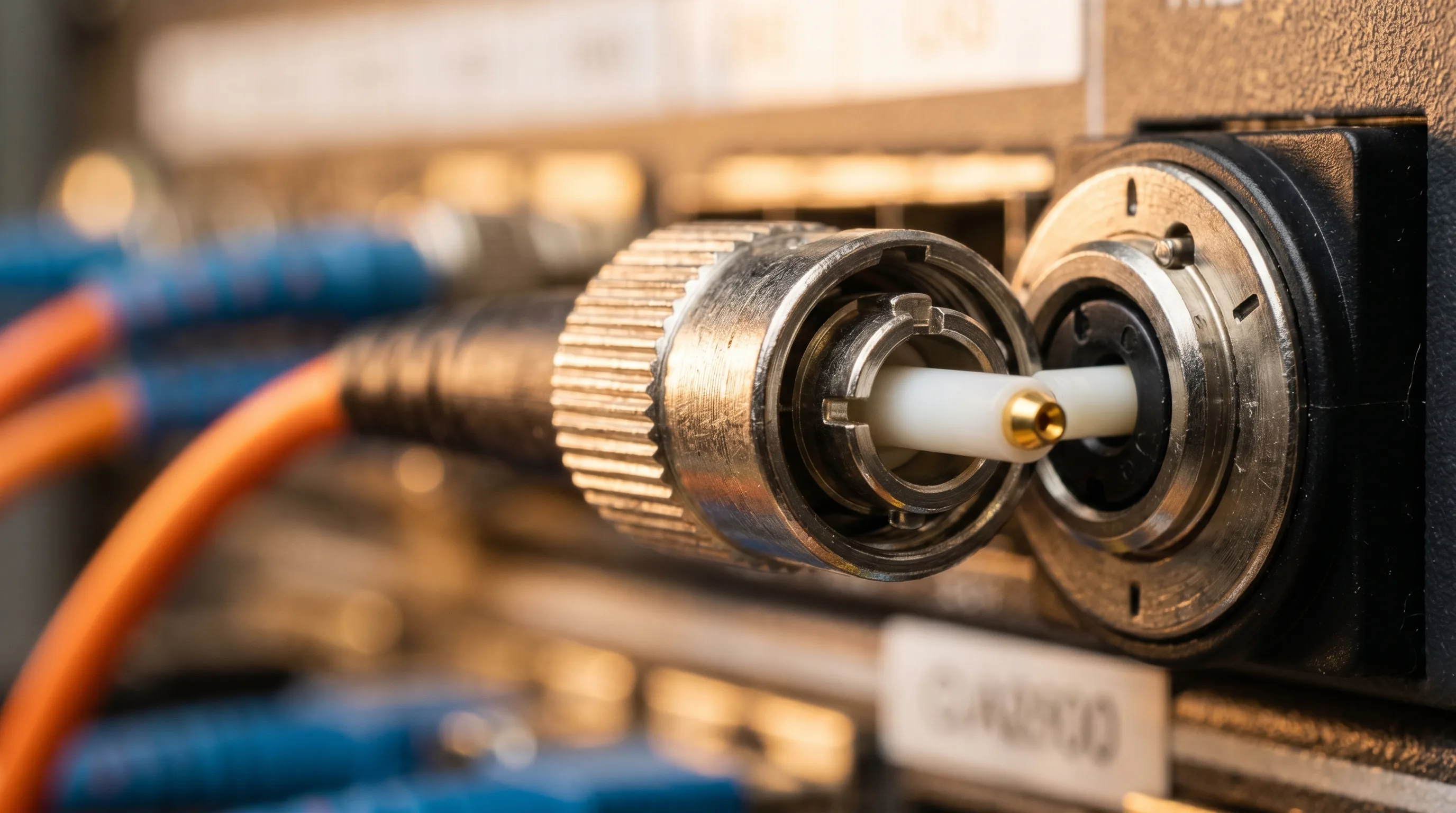
One of the most distinctive features of the ST connector is its bayonet-style locking mechanism, similar to that found on BNC coaxial connectors. This system involves inserting the connector into a mating port and rotating it slightly (usually about 1/4 turn) to lock it securely into place. This twist-lock mechanism provides:
- High mechanical stability
- Resistance to accidental disconnection
- Ease of visual confirmation of secure connection
This feature makes the ST connector particularly well-suited for harsh environments where vibration or movement could potentially disrupt connections.
Ceramic Ferrule
The ferrule is the heart of any fiber optic connector. In the case of the ST connector, it is typically made of precision-ground ceramic (zirconia) and has a diameter of 2.5 mm. The ferrule serves two primary functions:
- Precise alignment: Ensures accurate core-to-core contact between mated fibers.
- Mechanical protection: Shields the delicate glass fiber endface from damage during insertion and removal.
Ceramic ferrules are preferred over metal or plastic because they offer:
- Superior thermal stability
- Low coefficient of friction
- Excellent wear resistance
These properties help maintain consistent optical performance over thousands of mating cycles.
Operational Characteristics of ST Connector
Insertion Loss and Return Loss
The optical performance of a connector is primarily measured by two key parameters:
- Insertion Loss (IL): The amount of light lost as it passes through the connector. For high-quality ST connectors, IL is typically below 0.3 dB, with acceptable values ranging up to 0.5 dB depending on application requirements.
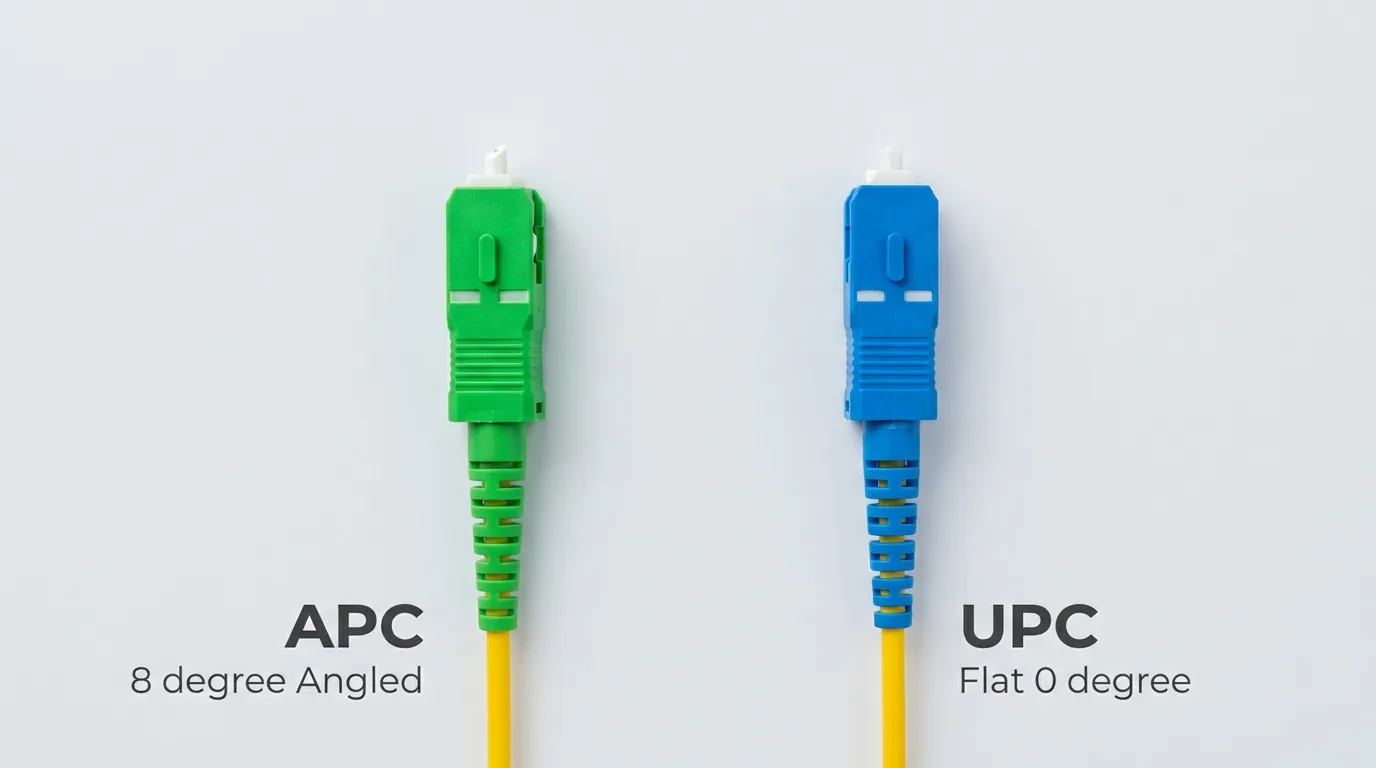
- Return Loss (RL): Measures how much light is reflected back toward the source at the connection point. High RL values indicate low reflectance, which is critical in laser-based systems to avoid signal degradation. With UPC (Ultra Physical Contact) polish, RL is usually above 35–50 dB. With APC (Angled Physical Contact) polish (less common in ST connectors), RL can exceed 60 dB.
While APC polishing is rare in ST connectors, UPC polish is the industry standard, ensuring minimal reflection and stable signal integrity.
Durability and Lifespan
ST connectors are known for their long service life and resilience under repeated use. Key durability metrics include:
- Mating Cycles: Typically rated for 500+ insertions/removals without significant degradation.
- Environmental Resistance: Many ST connectors are built with ruggedized housings suitable for outdoor deployment or industrial settings.
However, care must be taken during cleaning and handling to avoid scratching the ferrule surface or contaminating the fiber endface, which can increase insertion loss and degrade performance. For a broader look at how environmental factors impact fiber links, see what can interfere with fiber optic internet.
Where ST Connector Can Be Used
Despite the dominance of smaller connectors like LC and MPO in modern high-speed and high-density environments, the ST connector continues to serve several niche but important roles.
1. Many older enterprise LANs, campus networks, and telecommunications backbone systems were originally built using ST connectors. These systems often remain in operation due to cost considerations and the need for backward compatibility during incremental upgrades.
In such cases, replacing all connectors would require extensive re-cabling, making ST-to-ST patching or hybrid ST-to-LC adapters a practical solution.
2. Due to its rugged mechanical design, the ST connector is extensively used in industrial control systems, military communications, and aerospace applications. These environments often prioritize physical robustness, vibration resistance, and ease of maintenance—all areas where the ST connector excels.
3. Security camera systems, especially those installed before the mid-2000s, frequently utilize ST connectors for linking video transmission equipment. While newer IP-based surveillance systems may favor SFP or mini-GBIC modules, many analog and hybrid systems still rely on ST connectivity.
4. Educational institutions and training centers often use ST connectors in fiber optics labs and hands-on training modules. Their simplicity, visual feedback, and field-installable nature make them ideal for teaching students the fundamentals of fiber splicing, termination, and testing.
ST Connector Compared with Other Fiber Connectors
To understand the continued relevance of the ST connector, it's useful to compare it with other popular connector types such as MT-RJ and LC. Each connector has unique strengths and trade-offs depending on the application context.
ST vs. MT-RJ
Feature | ST Connector | MT-RJ Connector |
|---|---|---|
Locking Mechanism | Bayonet twist-lock | Push-pull latch |
Ferrule Size | 2.5 mm | 2.5 mm (dual-fiber) |
Connector Type | Simplex or Duplex | Duplex only |
Density | Low | Medium |
Common Use Cases | Legacy systems, industrial | Data centers, FTTH |
Termination Complexity | Easy (field installable) | Moderate |
The MT-RJ connector, short for Mechanical Transfer Registered Jack, is designed for high-density duplex applications. The MT-RJ uses a push-pull latching mechanism and integrates two fibers within a single 2.5 mm ferrule, offering higher density than ST connectors.
While the MT-RJ improves upon the ST in terms of space efficiency and connectivity density, it is more complex to terminate in the field and requires specialized tools and expertise.
ST vs. LC
Feature | ST Connector | LC Connector |
|---|---|---|
Locking Mechanism | Bayonet twist-lock | Push-pull latch |
Ferrule Size | 2.5 mm | 1.25 mm |
Connector Type | Simplex or Duplex | Simplex or Duplex |
Density | Low | Very High |
Common Use Cases | Legacy systems, industrial | High-speed data, enterprise |
Termination Complexity | Easy | Moderate to difficult |
The LC (Lucent Connector) is currently the most widely used connector in modern data centers, telecom switches, and high-speed Ethernet applications. Its small form factor (SFF) allows for twice the port density compared to ST connectors. However, LC connectors are more challenging to terminate in the field and are more susceptible to dust contamination due to their smaller size.
While LC connectors outperform ST in density, scalability, and support for next-generation speeds, the ST connector still offers value in legacy infrastructure and industrial deployments where physical robustness is paramount.
Advantages of the ST Connector
1. The bayonet twist-lock mechanism ensures a secure, vibration-resistant connection, which is crucial in industrial and outdoor applications.
2. ST connectors are relatively straightforward to terminate in the field using basic toolkits, unlike smaller connectors like LC or MPO, which require precise alignment and advanced skills.
3. Compared to newer connectors, ST connectors are generally cheaper to manufacture and purchase, making them a cost-effective option for large-scale legacy installations.
4. The twist-lock mechanism provides clear tactile and visual confirmation of a successful connection, reducing the risk of misalignment or incomplete coupling.
What Are the Limitations of the ST Connector?
1. At 2.5 mm, the ST connector is significantly larger than LC (1.25 mm), limiting its suitability for high-density applications such as modern data centers or switch blades.
2. Because of its size and simplex configuration, deploying ST connectors in high-bandwidth, multi-fiber environments becomes logistically cumbersome, requiring more space and cable management.
3. As network speeds move beyond 100 Gbps, the ST connector's lack of support for parallel optics and wavelength division multiplexing (WDM) limits its ability to keep pace with evolving standards.
ST Connector Installation and Maintenance Tips
To ensure optimal performance and longevity of ST connectors, proper installation and maintenance are essential.
1. Achieving low insertion loss and high return loss depends on precise ferrule alignment and polishing quality. The connector endface should be polished to PC, UPC, or APC standards, depending on the application.
2. Dust, oils, and particulates can severely impact optical performance. Always use fiber optic cleaning kits with lint-free wipes and isopropyl alcohol (IPA) to clean the ferrule before mating.
3. Store connectors in sealed dust caps and handle them with clean gloves to prevent contamination. Avoid touching the endface directly.
4. Use fiber inspection microscopes and optical time-domain reflectometers (OTDRs) to inspect and test ST connectors after installation to ensure compliance with performance standards.
The ST fiber optic connector, while not as prevalent in cutting-edge data center environments, remains a reliable, durable, and cost-effective choice for a wide range of applications. Its mechanical simplicity, ease of field termination, and compatibility with legacy systems continue to make it valuable in industrial control systems, military communications, and maintenance scenarios.
While newer connectors like LC and MT-RJ offer superior density, speed support, and compactness, the ST connector still plays a vital role in maintaining backward compatibility and supporting mission-critical systems that demand physical robustness.
Ultimately, understanding the strengths and limitations of the ST connector helps network engineers and technicians make informed decisions about infrastructure upgrades, equipment selection, and future-proofing strategies. For related reading on cable construction around these connectors, see our guide on tight-buffered vs loose-tube fiber optic cables.