Common Issues with Outdoor Fiber Optic Termination Boxes
Common Issues with Outdoor Fiber Optic Termination Boxes and How to Avoid Them
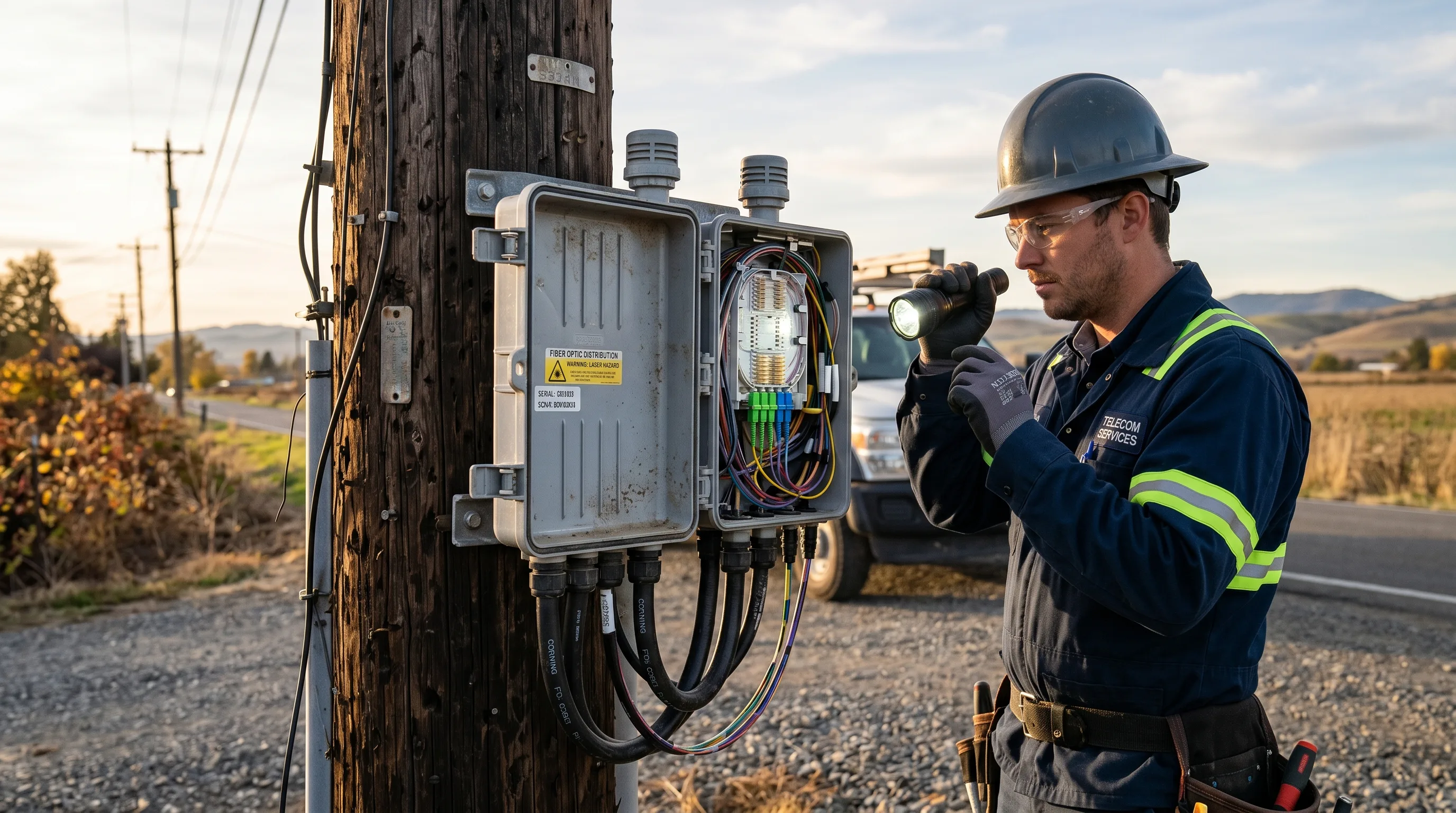
When it comes to managing fiber optic networks in outdoor environments, outdoor fiber optic termination boxes are critical. They protect delicate connections from the elements, keeping your system running smoothly. However, just like any piece of equipment exposed to harsh conditions, these boxes can face a few challenges over time. Let's take a look at some of the most common issues you might encounter and how to avoid them. If you're evaluating replacement hardware, TTI Fiber's fiber optic terminal box range covers wall-mount, pole-mount, and aerial designs for FTTH, FTTB, and distribution scenarios.
1. Moisture Ingress: A Serious Threat to Fiber Optic Performance
One of the most common issues with outdoor fiber optic termination boxes is moisture ingress. Since these boxes are designed to withstand rain, humidity, and fluctuating temperatures, the seals can degrade over time, allowing moisture to seep in. Once water gets inside, it can damage the fiber optic cables, leading to signal loss and potential network outages.
How to Avoid It:
- Check Seals Regularly: Over time, seals may lose their integrity. Make sure to inspect them frequently for cracks or signs of wear. Replacing worn-out seals promptly can prevent moisture from entering.
- Choose High-Quality Seals: Invest in a termination box with premium seals that are built to last and provide an airtight, waterproof barrier.
- Sealant: If your box is old, apply silicone-based sealant around the edges of doors or any exposed areas to maintain a strong waterproof barrier.
Moisture is not just an enclosure problem — the cable feeding into the box matters too. See our companion piece on what can actually interfere with fiber optic internet for the deeper story on water ingress, freeze damage, and signal loss.
2. Corrosion from Harsh Outdoor Environments
Outdoor termination boxes are exposed to various environmental elements, including salt, pollution, and chemicals. Over time, these elements can cause corrosion on metal parts, especially if the box is made from lower-quality materials. Corrosion can lead to weakening or breakage of components, and in extreme cases, complete failure of the box.
How to Avoid It:
- Opt for Corrosion-Resistant Materials: Choose boxes made from stainless steel, aluminum, or galvanized steel. These materials are resistant to corrosion and ideal for long-term outdoor use.
- Coatings for Extra Protection: Some manufacturers offer protective coatings that provide an additional layer of defense against corrosion.
- Regular Cleaning: Wipe down the exterior of the box to remove any salt, dirt, or debris. This simple maintenance step can help prevent corrosion from setting in.
3. Fiber Cable Damage Due to Poor Cable Management
One issue that's often overlooked is cable damage due to poor cable management inside the termination box. If cables are left loose or not properly organized, they can become kinked, bent, or even frayed. This leads to signal degradation and potential outages, which can be costly to repair.
How to Avoid It:
- Use Cable Management Features: Choose termination boxes that come with integrated cable management systems, such as cable organizers, racks, or trays. This ensures that your cables stay neatly in place, reducing the risk of damage.
- Gentle Handling: When installing cables, make sure they are not overstretched or bent beyond their recommended radius. This helps preserve the integrity of the fiber and reduces wear over time.
- Organize Regularly: Even after installation, periodically check the box to ensure cables remain tidy and secure. Over time, cables can shift, especially if there are movements like wind or vibration.
4. Failure of Internal Components
While the box itself is important for protecting the fiber optic cables, the internal components — such as connectors, splicing equipment, and adapters — can also experience wear and tear, especially if the box is subject to temperature fluctuations or moisture.
How to Avoid It:
- Invest in Quality Components: Choose a box that features high-quality internal parts, such as fiber optic adapters and splice trays, that can withstand the test of time.
- Monitor Temperature: Extreme temperature changes can lead to the expansion and contraction of internal components. Select a termination box designed to handle temperature extremes (look for high IP ratings).
- Maintenance Checks: Schedule periodic maintenance to check the internal components for any signs of damage or wear. Addressing small issues early can prevent larger, more costly repairs down the line.
For a deeper look at how thermal cycling affects the glass and the hardware that houses it, see whether temperature changes really impact fiber performance.
5. Incorrect Installation and Placement
A poorly installed or incorrectly placed termination box can lead to a host of issues down the road. If the box is not installed properly or is placed in a vulnerable location, it could be more susceptible to damage from accidental impacts, weather, or pests.
How to Avoid It:
- Follow Manufacturer Instructions: Always follow the manufacturer's installation guidelines to ensure the box is set up correctly.
- Choose a Safe Location: Install the box in a location that's easy to access for maintenance but protected from potential physical damage, such as being knocked over by equipment or vehicles.
- Mount Securely: Ensure the box is securely mounted to prevent any movements or vibrations that could loosen the internal components over time.
Placement also depends on what's feeding the box — direct-buried, aerial, or duct. For an outdoor-installation primer, see our guide on how deep to bury fiber optic cable, and pair your termination box with a matched outdoor fiber optic cable.
6. Inadequate Ventilation
While it's crucial to keep the termination box sealed from the elements, adequate ventilation is also necessary to prevent the build-up of heat and humidity inside the box. Without proper airflow, the box can become a breeding ground for moisture, which could lead to the issues mentioned above.
How to Avoid It:
- Ventilation Features: Look for termination boxes that are designed with built-in ventilation holes or breathers to ensure proper airflow.
- Ensure Proper Drainage: If you're working in an area that receives a lot of rain, make sure the box design includes water drainage channels to prevent water from pooling inside the box.
- Inspect Ventilation Regularly: Ensure that the ventilation holes are not blocked by debris, dirt, or other obstructions.
7. Overcrowding and Lack of Future Scalability
Another common issue is the lack of space within the termination box. If the box is overcrowded with fiber cables and connectors, you may run into difficulties when trying to make future upgrades or repairs. Overcrowding can also affect the overall performance and longevity of the system.
How to Avoid It:
- Plan for Future Expansion: When selecting an outdoor fiber optic termination box, ensure it offers enough capacity for future expansion. A box with extra ports and spaces will allow for easier upgrades as your network grows.
- Modular Designs: Opt for a modular box design that can be expanded by adding extra trays, splices, or connectors.
- Efficient Cable Routing: Proper cable routing can maximize the use of available space, making it easier to manage connections and prevent future overcrowding.
If the termination point sits further down the drop — at a splice joint or a distribution cabinet — the same principles apply. Explore TTI Fiber's fiber optic splice closure and fiber optic distribution box ranges for larger capacity outdoor enclosures.
Stay Ahead with Regular Maintenance and Care
While outdoor fiber optic termination boxes are built to be durable and reliable, they still require attention to maintain optimal performance. By staying on top of common issues like moisture ingress, corrosion, cable management, and proper installation, you can avoid costly repairs and downtime in the future.
Remember, investing in quality materials, regular inspections, and proper installation will pay off in the long run. Take the time to choose the right termination box for your needs, and ensure you're proactively addressing these common issues to keep your fiber optic network running smoothly and efficiently.
TTI Fiber Communication Tech. Co., Ltd. is a professional manufacturer of fiber optic products with 14 years' experience, holding ISO9001, ISO14001, REACH, RoHS, CE, and CPR certificates. Contact us for spec sheets, IP-rating details, or a quote on outdoor termination boxes built to survive the environments you install in.